In Northern Thailand, a proper meal is rarely a solitary affair. It arrives on a single round tray, set in the middle of the table, and everyone helps themselves. That is the spirit behind Toke Tong in Chiang Rai, a restaurant devoted to the cooking of the old Lanna kingdom.
Chiang Rai is a fitting home for that tradition. King Mangrai founded the city in 1262, and it became the capital of the dynasty that bears his name. It is the northernmost major city in Thailand, about 860 kilometers north of Bangkok and roughly 200 kilometers northeast of Chiang Mai, and the Kok River, a tributary of the Mekong, runs along its northern side.
The city’s story helps explain why Lanna identity runs so strongly here. Chiang Rai was later ruled by Burma for several hundred years before becoming a Siamese vassal in 1786, and Chiang Mai eventually succeeded it as the capital of Lanna. Today the khantoke table is one of the clearest and most generous expressions of that heritage, with sticky rice, herb-driven dips and slow-simmered curries gathered on a single tray.
The Khantoke Tradition
The house specialty is the khantoke, a traditional Northern format in which several dishes are arranged around a pedestal tray. It is a style of eating that invites conversation and sharing, which makes it a natural fit for friends and family gathering for a long, unhurried lunch or dinner. The setting has been designed to celebrate the culture of the region, and the welcome feels distinctly Lanna: warm, generous and without fuss.
The word describes the tray itself, a short, round pedestal table about 35 centimeters across, traditionally made of wood, bamboo or rattan. Khantoke dinners are a northern tradition, especially in Chiang Mai, Chiang Rai, Lamphun and Lampang, and they are used for weddings, housewarmings and temple festivals. Traditionally, people in the north sit on the floor to eat, and food is poured into cups or bowls and set on the tray, which keeps it off the ground. Glutinous rice, rather than the fluffy rice common elsewhere in Thailand, is the grain of choice, and a khantoke dinner might also include a band and jasmine offered to guests on arrival.
What Arrives on the Tray
At the center sits nam prik num, the region’s signature dip, made from roasted green chili and served with fresh vegetables and crisp accompaniments. Around it come dishes built on aromatic herbs and spices, earthy and layered rather than loud. Crispy fried chicken adds a comforting note, while gaeng hang lay, a Northern curry, brings a rich fragrance and the depth that only slow simmering can give.
Balance comes from jor pak kad, a mustard green soup with a gentle tang that cuts through the richer plates. Together the dishes give a clear, well-rounded picture of how Northern Thai cooks think about contrast: smoky against sharp, rich against bright.
That instinct for balance runs through Thai cooking as a whole. The cuisine is often described as five regional cuisines, matching the country’s five main regions, and meals are served with rice at the center and dishes shared together. Lemongrass, galangal and kaffir lime leaves are common sources of fragrance, and the interplay of sweet, sour, salty and spicy is the principle that holds a table together.
Room to Linger
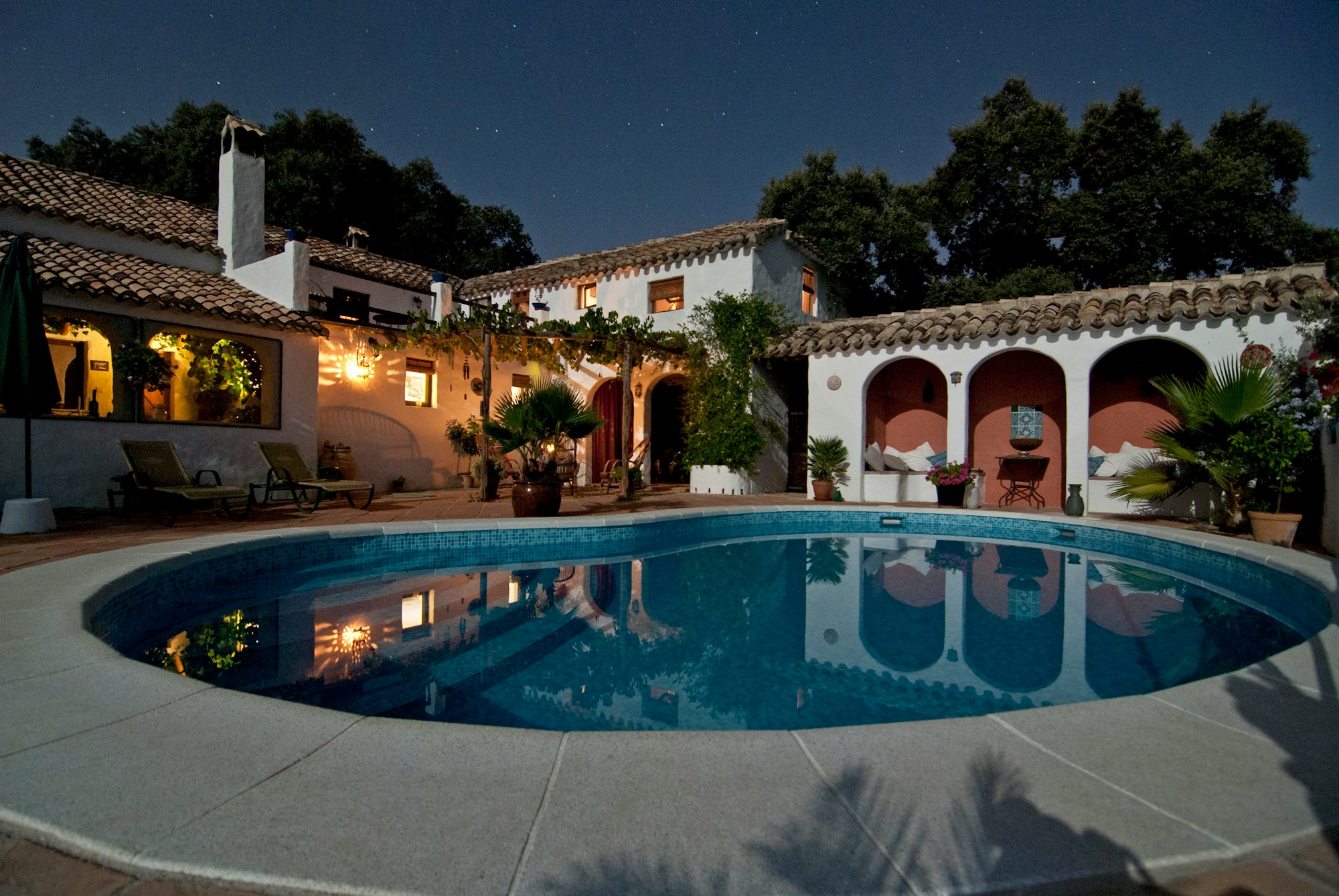
Toke Tong offers generous indoor and outdoor seating and can accommodate larger groups, so it works equally well for a family celebration or a relaxed table of travelers. The outdoor area is especially appealing in the late afternoon and evening. Around sunset the light softens, and as night settles in the atmosphere stays easy and unhurried, with gentle lighting and a relaxed rhythm.
Timing a visit to the north is worth a thought. Chiang Rai has a tropical wet and dry climate, with fairly dry and warm winters, April as the hottest month and a monsoon season that runs from late April through October with heavy rain. The drier months suit long afternoons outdoors, while the rainy season asks for a flexible plan and a good umbrella.
Beyond the Table
A day in Chiang Rai can easily include more than a meal. Wat Rong Khun, the strikingly modern temple built since 1998 by the Thai artist Chalermchai Kositpipat, stands in the city area, and the Golden Triangle, where the borders of Thailand, Laos and Myanmar meet, lies about 55 kilometers northeast of the city. Together with a khantoke lunch, they make a day that blends art, landscape and flavor. The Kok River, which joins the Mekong about 40 kilometers northeast of the city, adds a gentle waterside edge, and the northern setting gives each part of it a distinct sense of place.
For visitors to Chiang Rai who want to understand the region through its food, this is a welcoming place to begin. The cooking is rooted in heritage, the format encourages company, and the whole experience feels like an introduction to Lanna hospitality rather than a performance of it.