Arrive in Hua Hin by the weekend express from Bangkok and the Gulf of Thailand is the first thing that greets you. At Azure, the beachfront restaurant of InterContinental Hua Hin Resort, it also becomes the backdrop to lunch.
A New Chapter by the Sea
Recently reimagined as an authentic Italian dining destination, Azure feels bright and coastal. Lemon-inspired interiors, handcrafted ceramics and crisp white furnishings frame uninterrupted sea views, a palette that suits the cooking as much as the setting.
The lemon motif has a pleasing logic. Citrus is woven deeply into Sicilian life: many citrus fruits reached the island between the ninth and eleventh centuries, brought during the period of Arab rule, and they have flavored the island’s kitchen ever since. A room dressed in lemon yellow and white, beside the sea, feels like a natural echo of that heritage.
Hua Hin itself provides a fitting stage. The beach town lies in Prachuap Khiri Khan province, about 199 kilometers south-southwest of Bangkok by road, and it grew into the country’s first and most popular beach resort after the railway reached it. A long, slow lunch beside the Gulf, within reach of a town with such a gentle royal history, is a very Hua Hin way to spend an afternoon. Royal interest in the early twentieth century, including King Prajadhipok’s summer palace, Klai Kangwon, which means far from worries, set the refined, unhurried tone that endures today.
The Chef Behind the Menu
The kitchen is led by Executive Chef Mario Caramella, a Sicilian with three decades of experience in luxury hotels and acclaimed Italian restaurants. His menu draws on regional Italian recipes built around carefully sourced local ingredients.
Understanding Sicilian Cooking
To appreciate a Sicilian accent, it helps to know what shaped it. Sicilian cuisine is a blend of many cultures, with an Italian base and Greek, Spanish and Arab influences. Greek colonists left a fondness for fish, wheat, olives, grapes, almonds, pistachios and fresh vegetables. Arab rule added sugar, rice, raisins, pine nuts and spices such as saffron, nutmeg and cinnamon, alongside the citrus. Later, Spain introduced New World ingredients including tomatoes, peppers, zucchini, potatoes and cocoa.
The result is a table of remarkable range. Eggplant, artichokes and tomatoes appear in vegetable starters such as caponata, and seafood from tuna and sea bream to cuttlefish and swordfish anchors coastal menus. In Trapani, on the western tip of the island, North African influence is still visible in couscous dishes, often made with fish, while pasta alla Norma, built around eggplant, was born in Catania. Eastern versions of arancini, the deep-fried stuffed rice balls, are shaped into cones in a nod to Mount Etna.
What Arrives at the Table
Lighter starters set the pace: bruschetta with vine-ripened and sun-dried tomatoes, garlic and olive oil, and crispy calamari with creamy tartar sauce. The Mortazza pizza is a highlight, combining tomato, burrata, mortadella, pistachios and fresh rocket.
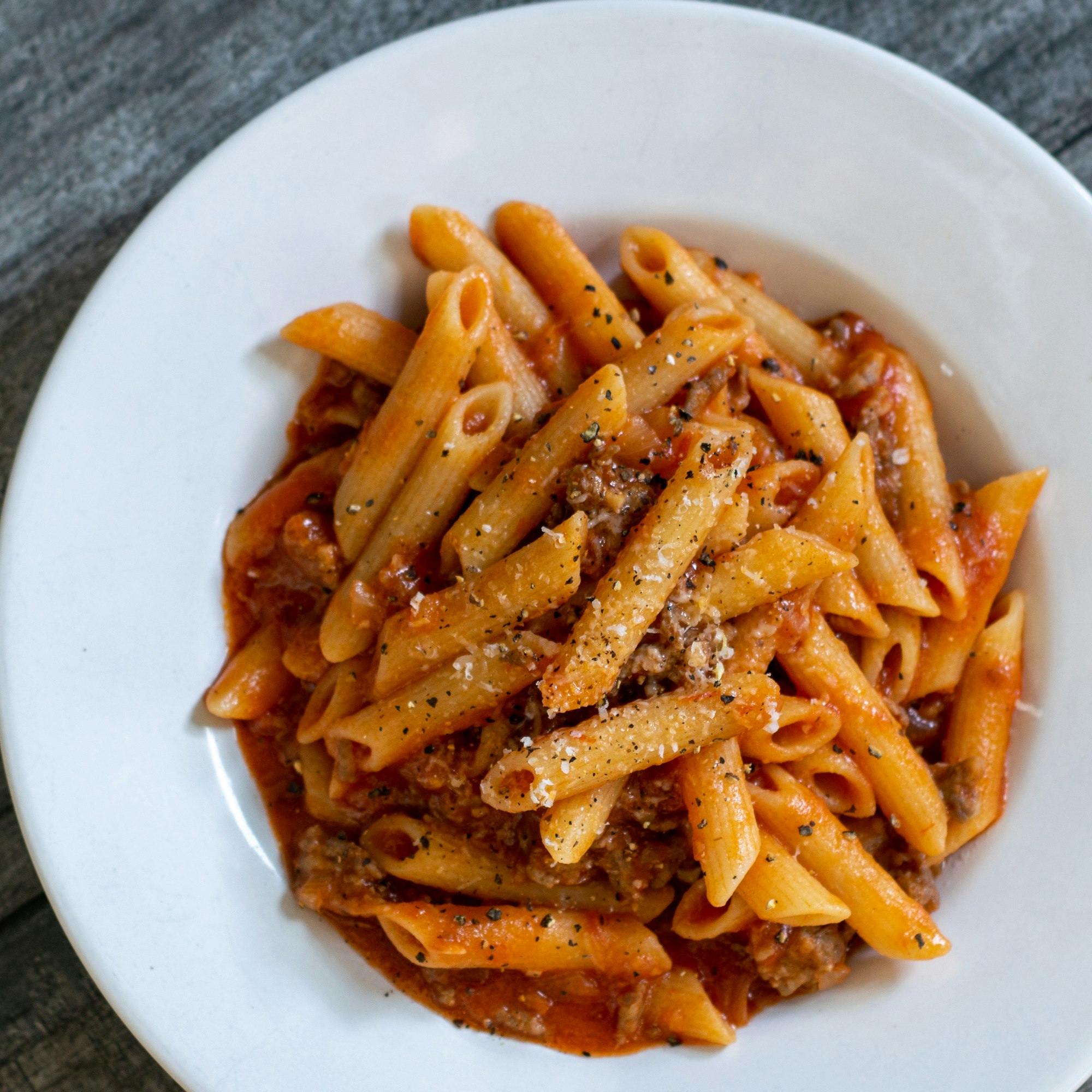
Among the mains, spaghetti assassina is cooked until partly caramelized and tossed in a spicy tomato sauce, while the risotto ai frutti di mare brings together prawns, squid, mussels, clams and soft shell crab. Meat lovers can turn to the grilled Charolais entrecôte, served medium rare with a mushroom sauce.
Closing on a Sweet Note
Dessert follows the classics: a crème brûlée with a caramelized sugar crust over vanilla custard, a rich and moist chocolate cake with intense cocoa flavor, and a tiramisu of espresso-soaked sponge fingers, mascarpone cream and cocoa powder.
Sicily has a sweet tradition of its own, with cannoli, granita and cassata among its best-known desserts. Granita, a semi-frozen mixture of sugar, water and flavorings, changes character from city to city: it is chunky in Palermo and nearly as smooth as sorbet in the east of the island. The island is also known for Marsala, a fortified wine similar in spirit to port, which is widely exported and often enjoyed at the end of a meal.
Planning a Lunch by the Gulf
Hua Hin is warm all year, with a drier season from December to April, monsoon rains from May and the heaviest rain generally from September to November. Many travelers therefore favor the cooler, drier months for a seaside lunch, although the quieter seasons have a charm of their own when the sky is dramatic and the beaches are calm.
However you time your visit, treat the meal as the centerpiece of the day. Begin with something light, share a few plates so that the table can sample the range, and leave room for dessert and a last look at the water. Menus and offerings can change, so please confirm current details with the restaurant before you go.
Azure succeeds in opening a fresh chapter for InterContinental Hua Hin Resort, offering Italian dining with Sicilian conviction and a sea view that needs no embellishment.
Related reading: Weekend Notes From InterContinental Hua Hin and Italy in the Tropics: Southeast Asia’s Most Elegant Italian Tables.