Nine volcanic islands rise from the Atlantic to form the Azores, an autonomous region of Portugal that feels remote and yet is entirely welcoming. Each island has its own character, its own palette and its own pace. For the discerning traveler, the archipelago rewards slow, deliberate exploration, and the best journeys begin with careful planning. Think of it less as a single destination than as a collection of small worlds, each worth its own chapter, from steaming calderas to quiet vineyards and the open ocean beyond.
An Archipelago of Colors
The islands are often described by color. According to Audley Travel, São Miguel, the largest, is known as the green island, while Terceira is the purple island, Faial the blue island and São Jorge the brown island. The geography is as varied as the nicknames suggest. Faial’s landscape grew after the Capelinhos volcano erupted in 1957, and São Jorge is fringed by fajãs, lava deltas that extend into the sea.
The Capelinhos eruption began in 1957 and unfolded over about fifteen months, adding new land to Faial’s western tip. On São Jorge, the Caldeira de Santo Cristo and the fajã of Fajã dos Cubres are among the island’s best-known landmarks, small coastal platforms of lava that make for memorable walking.
São Miguel: Lakes and Thermal Waters
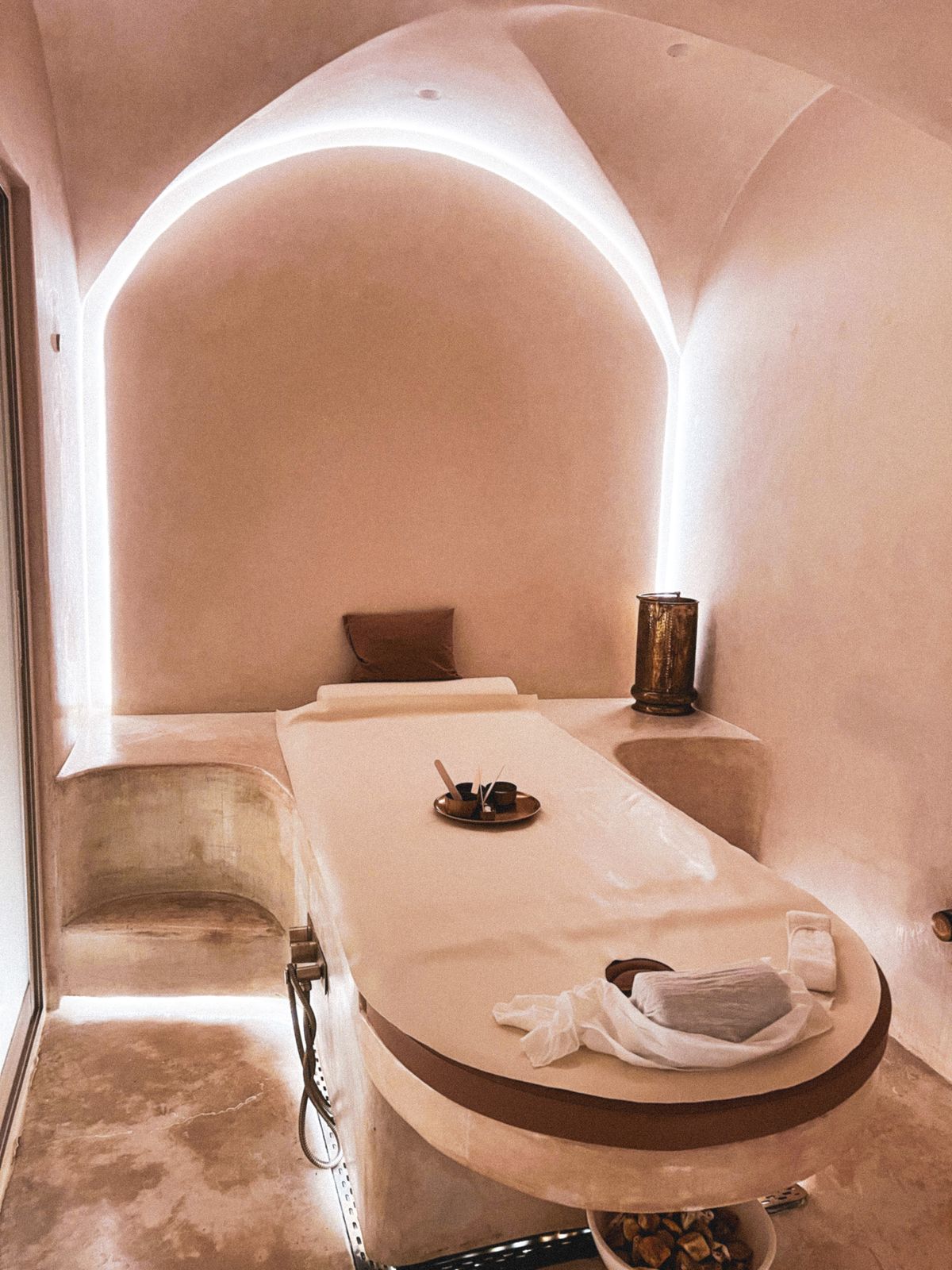
On São Miguel, a hike around the blue and green lakes of Sete Cidades delivers sweeping views across the crater. At Furnas, a dormant volcanic caldera, mud pots, fumaroles, hot springs and thermal pools animate the landscape, and the lake invites a quiet paddle by kayak. The island’s geothermal energy even reaches the kitchen: cozido, a traditional stew, is cooked underground in Furnas. São Miguel is also a dairy island, producing almost 30 percent of Portugal’s milk, alongside wine, cheese, honey and pineapples.
The twin lakes of Sete Cidades, Lagoa Azul and Lagoa Verde, fill a volcanic crater on the west side of Ponta Delgada, and a walk of about five kilometers begins at the Vista do Rei viewpoint. At Furnas, the botanical gardens of Terra Nostra hold thermal pools among trees planted more than two hundred years ago, so a soak can feel more like a stroll through a historic garden than a visit to a spa.
Tea is another surprise. Gorreana, established in 1883 and still family-run, is described as Europe’s oldest commercial tea plantation, and its leaves are still packed by hand. A cup poured within sight of the rows of green bushes, with the Atlantic beyond, is one of the quiet luxuries of the island.
Pico: Vines Behind Stone Walls
Pico is home to the highest peak in the Azores and to Gruta das Torres, described as the world’s longest lava tube. Its vineyards, grown within low stone walls, are UNESCO-protected, and traditional Flemish windmills dot the landscape. Wine and liqueur production remain an important part of the local economy, making a tasting here as much a cultural visit as a gastronomic one. Travelers who linger will find that the island’s character is felt most in its small details: the dark stone, the careful geometry of the vines and the sound of the Atlantic beyond.
The Landscape of the Pico Island Vineyard Culture was inscribed as a UNESCO World Heritage Site in 2004, and its stone enclosures, known as currais, date back to the fifteenth century. Walking among them, with black basalt underfoot and the mountain rising behind, it is easy to understand why the landscape was judged worthy of protection.
Heritage on Terceira
Terceira, the purple island, is home to the other UNESCO-listed treasure of the archipelago: the historical center of Angra do Heroísmo, inscribed in 1983. The town dates to 1534 and is a graceful grid of pastel façades, churches and sheltered harbor views. It makes a fitting counterpoint to the wild landscapes elsewhere, a reminder that the Azores are as much about centuries of human settlement as about volcanic drama.
Encounters at Sea
The waters around the islands are home to whales. Half-day tours cover an area where about 25 species are frequently seen, including blue whales, humpbacks and orcas. It is an experience that puts the scale of the Atlantic into perspective, and one best arranged with a reputable local operator who can advise on conditions and timing.
The whale-watching season runs from April to October, with April to June considered the prime period, and sperm whales and pilot whales feature among the sightings. Even on a day when the animals keep their distance, the open water, the volcanic silhouettes on the horizon and the salt air make the outing well worth the early start.
When to Go
April and May bring pleasant temperatures and flowering hills, and they are also the best months for whale watching. July and August see more visitors and higher prices. Weather can change quickly at any time of year, so build flexibility into every itinerary. With spring on the horizon, now is a fine moment to begin planning. Seasons, schedules and availability vary, so please confirm details directly with each venue or operator.