Some restaurants announce themselves loudly. J Bistro prefers to let the food do the talking. Found at 45 Syed Alwi, between the Kampong Glam and Jalan Besar neighborhoods, it offers a menu that moves with ease between familiar favorites and Southeast Asian influences.
The address places it in one of Singapore’s most characterful corners. Kampong Glam is the city’s historic Malay and Muslim quarter, where the Sultan Mosque stands as a landmark and congregation point. Before British colonization in 1819 the area was home to Singapore’s Malay aristocracy, and under the 1822 Raffles Plan it was set aside for the Sultan, his household and the Malay and Arab communities.
A Room Made for Lingering
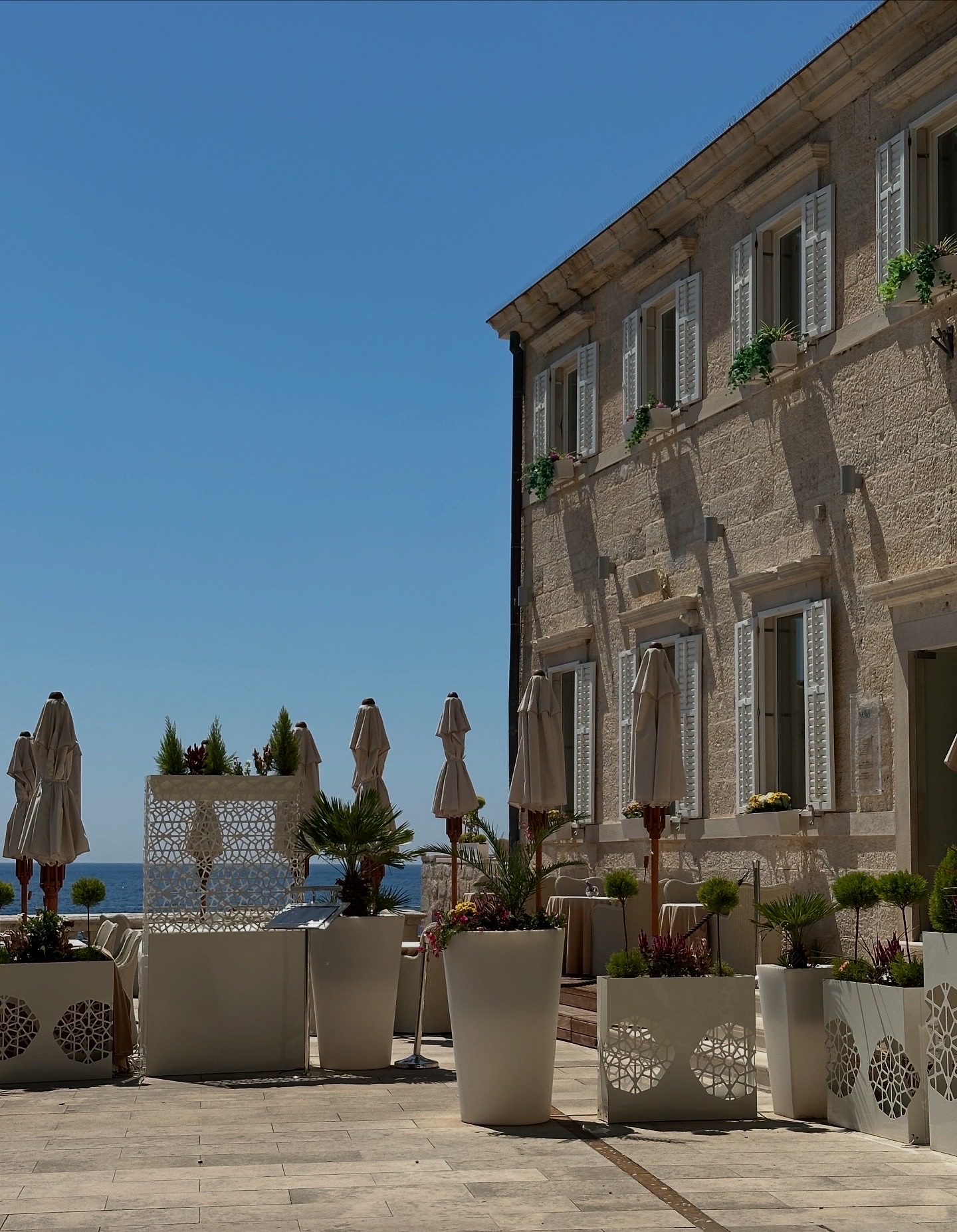
The interiors are airy and contemporary, lit gently, with casual music in the background. Outdoor tables look across the surrounding streets. It works equally well for a quiet evening alone, a catch-up with friends or an uncomplicated date night, and the staff are friendly and happy to explain the dishes.
The streets outside reward a walk before or after dinner. Arab Street and Haji Lane are lined with conserved shophouses that now hold design studios, galleries, cafés and bars alongside traditional textile and carpet shops. Nearby Jalan Besar, whose name is Malay for Big Road, runs about 1.4 kilometers and dates to the 1880s. Its early twentieth-century shophouses, many with colorful facades and decorative tiles, are part of the country’s conservation program, and the district has grown from an industrial, hardware-focused quarter into a lifestyle and food destination.
What the Oven Does
The kitchen’s KOPA oven shapes much of the menu. Lombok Chicken Satay emerges with a subtle smokiness and a tender bite, served with peanut sauce. The Wagyu Beef Burger, one of the best sellers, is char-grilled, then topped with caramelized onions and cheese and served with crisp yet fluffy fries.
Elsewhere, the Forest Mushroom Veloute is made without flour so the mushrooms stay at the center: creamy but never heavy, and paired with garlic bread that is soft inside and crisp at the edge. The Fish and Chips wears a light, airy batter that does not feel greasy, with fries and tartar sauce alongside.
Cooking over charcoal is among the oldest and most beloved ways to build flavor. Charcoal fires deliver direct heat and a trace of smoke, and in many culinary traditions, from Argentine asado to the tandoor of India, the glow of embers is prized for exactly that gentle, lingering note. Satay, with its marinated skewers and peanut sauce, is a natural companion to that approach.
The Dish Worth Ordering Twice
The Laksa Prawn Linguini is the most inventive plate on the table. A sauce built from laksa paste and coconut cream coats well-cooked prawns and pasta. A tip: ask for a lime on the side, which brightens the richness.
The idea of pairing laksa with pasta suits Singapore well. This is a city built on trade and mixing, a place where Chinese, Malay, Indian and other communities have long shaped one another’s cooking. UNESCO recognized that spirit in 2020 when it added Singapore’s hawker culture to its Representative List of the Intangible Cultural Heritage of Humanity, describing hawker centers as community dining rooms where people from different backgrounds share meals.
Sweet Endings From Turkey
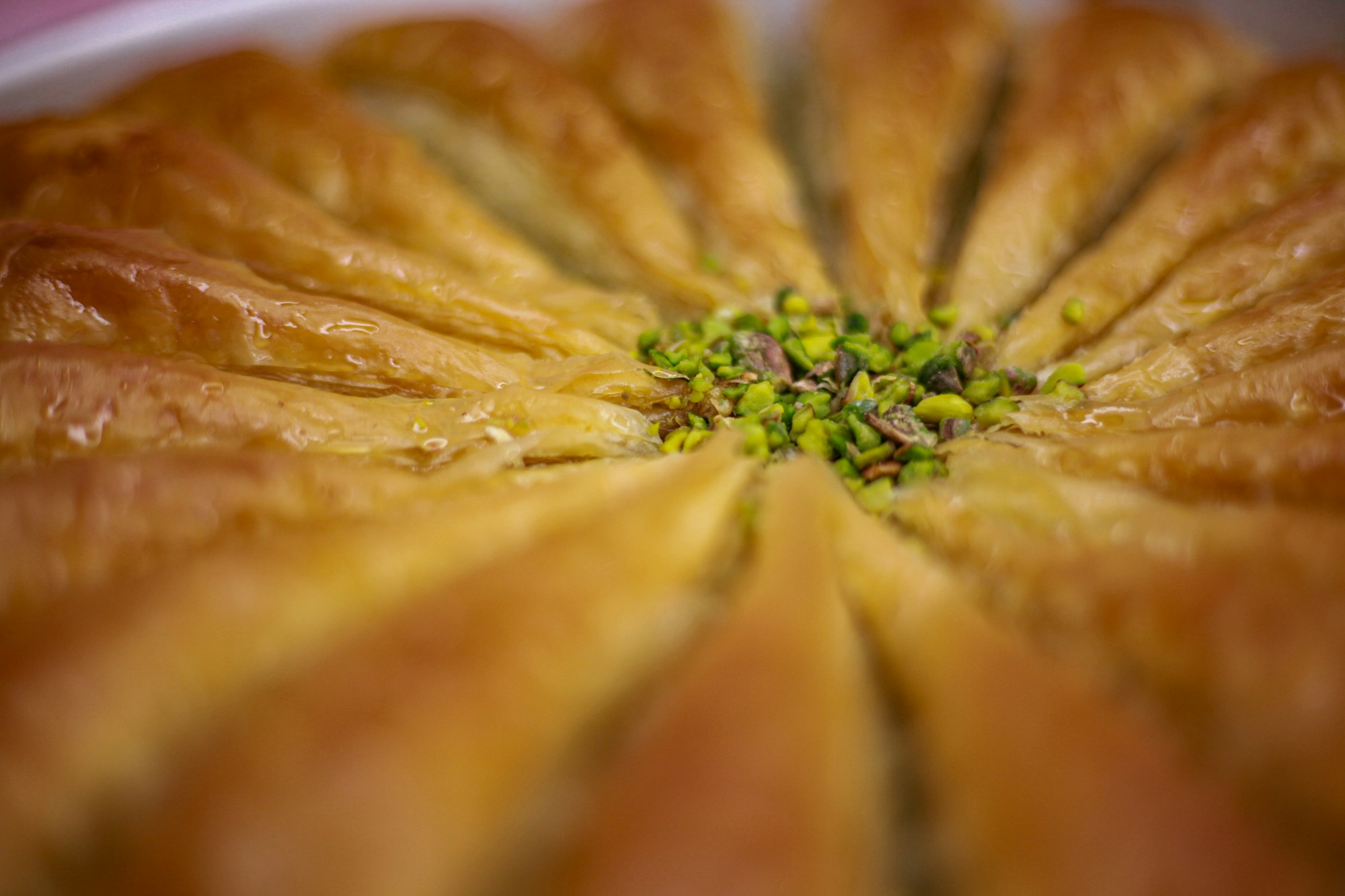
Desserts take a Turkish turn. The Pistachio Kunefe pairs cheese with pistachios and arrives with syrup on the side, so each guest controls the sweetness. The Baklava Plate offers walnut and pistachio varieties with restrained sweetness that lets the nuts lead, and Turkish ice cream is also available. On the drinks list, the Singapore Sling adds a fitting local touch.
Both desserts have long pedigrees. Baklava, made with pistachios or walnuts, is among the best-known Turkish sweets. Künefe is made with wire kadayif and a layer of melted cheese, soaked in syrup and butter, and is traditionally served hot with pistachios or walnuts. Ottoman court cooking helped shape much of modern Turkish cuisine, and its legacy of rice, vegetable stews and carefully balanced sweetness still echoes in the dessert course today.
Making a Neighborhood Evening of It
The surrounding blocks make it easy to extend the evening. Just off Jalan Besar, in the Little India Historic District, stands Masjid Abdul Gaffoor, built in 1907 and gazetted as a national monument in 1979, known for its Indo-Saracenic architecture. Together with the Sultan Mosque, Arab Street and Haji Lane, this part of the city offers a rare density of heritage, craft and cooking, and a relaxed dinner at J Bistro fits neatly between an afternoon of exploring and a late stroll back through the quieter streets once the day cools.
It is the kind of itinerary that suits an unhurried traveler: a morning among the conserved shophouses and their colorful tiles, a leisurely table, and an evening that ends with something sweet and a quiet walk.
For travelers who want a break from tasting menus without losing quality, J Bistro is an appealing, well-judged stop in one of Singapore’s most characterful corners.