
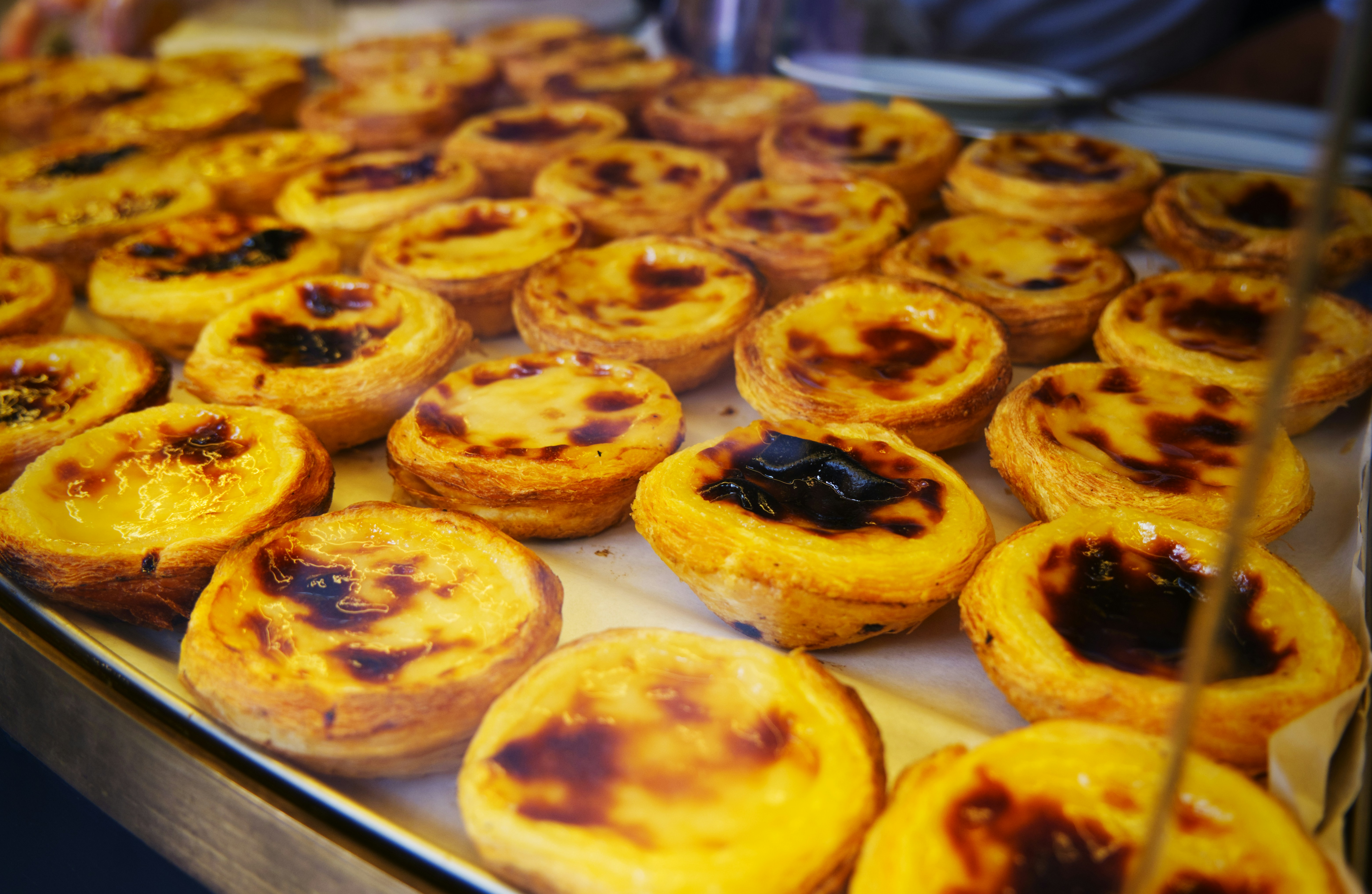
Few sweet traditions in the world are as precise, or as quietly lavish, as Portugal’s doces conventuais. These convent sweets, built almost entirely from egg yolks, sugar and sometimes almonds, were refined behind monastery walls over centuries and still define the country’s pastry shops today. If you have ever eaten a pastel de nata in Lisbon, you have already tasted one of the family. This guide explains where the tradition came from, which sweets are worth knowing by name, and where to taste them with intention.
Where Convent Sweets Come From
Portuguese conventual sweets date to the fifteenth century and took shape in convents and monasteries, where nuns and monks turned local abundance into art. Sources describe Portugal as a major egg producer at the time, with farmers giving part of their eggs to nearby religious houses. Egg whites were used to starch habits and to fix gold leaf to altars, which left an abundance of yolks and inspired a long line of recipes.
Sugar changed everything. Cane was cultivated in the Algarve and then in Madeira, and as it became more widely available, honey gave way to sugar as the main sweetener. From the sixteenth century, confectionery in religious houses became a refined craft, with regions adding local ingredients: almonds and dried figs in the Algarve, white beans around Lisbon. There are said to be more than 150 conventual sweets across the country.
What separates a good conventual sweet from an ordinary one is often the sugar syrup. Portuguese pastry recognizes several stages, known as sugar points, reached by cooking syrup at carefully judged temperatures roughly between 103 and 125 degrees Celsius. Each stage gives a different texture, and a skilled pastry cook chooses the point that suits each sweet. It is exacting, almost scientific work, and it is the reason these simple ingredients taste so different from one sweet to the next.
Sweets to Know by Name

In Torres Vedras, the pastel de feijão combines white bean purée, almonds, egg yolks and sugar, a reminder that humble ingredients can taste luxurious. Toucinho do céu, associated with Trás-os-Montes, translates charmingly as heaven’s bacon. Sericaia from the Alentejo is a cinnamon-dusted cake, Madeira has its dark honey cake, and the Azores are known for malassadas. And in Belém, Lisbon’s custard tarts are made to a recipe that remains closely guarded.
The Story After 1834
In the mid-nineteenth century, religious orders were dissolved in Portugal, and many nuns and monks turned to selling sweets to support themselves. Recipes passed to families and pastry shops, which is how the tradition survived outside convent walls. According to local lore, this is also how the custard tart recipe reached the confectionery in Belém. Some recipes were lost along the way, which makes the surviving ones feel all the more precious.
Where to Taste Them in Lisbon
Lisbon is an excellent place to explore the tradition in a single afternoon. Pastelaria Alcôa on Rua Garrett in Chiado is known for its range of conventual sweets. Casa dos Ovos Moles on Calçada do Sacramento offers ovos moles and a changing selection from around the country. A Pousadinha on Rua de São Paulo specializes in sweets from Tentúgal. Confeitaria Nacional on Praça da Figueira is especially lovely around Christmas, and the Antiga Confeitaria de Belém on Rua de Belém is the place for the famous custard tart.
Sweets at Christmas and Celebration
Many conventual recipes remain tied to the calendar. Christmas tables in Portugal feature bolo-rei, rabanadas and filhós, alongside more elaborate yolk-based specialties such as lampreia de ovos, a Christmas specialty with a long history. These dishes are less about dessert than about ritual, appearing in the same form year after year in family kitchens and neighborhood bakeries.
That sense of continuity is part of the appeal. When you taste a sweet whose recipe has been handed down for generations, you are tasting patience: the careful beating of yolks, the watchful eye on the syrup and the decision, made again each day, to do it the slow way. For travelers, a conventual sweet is one of the most accessible ways to understand Portuguese culture, because it fits in one hand and carries centuries of history.
How to Taste Them Well
Choose one or two sweets rather than many, and pair them with a small black coffee or a glass of Port or Moscatel. Notice texture first, then sweetness; a well-made conventual sweet is rich yet never heavy. Buy a small box to carry home, and ask the shop how best to keep it. Opening hours, menus and availability vary, so please confirm details with each venue before visiting.


