Between the historic cities of Guimarães and Braga, on the banks of the Ave River, lies a small spa town with a very long memory. Caldas das Taipas has been associated with warm mineral springs since Roman times, and today it offers a gentle version of the thermal ritual: a bathhouse, a riverside park and a pace of life that suits a restorative weekend in northern Portugal. This guide to Caldas das Taipas is written for travelers who value history, water and quiet.
Where Caldas das Taipas sits
Caldas das Taipas, also called Caldelas, is a civil parish in the municipality of Guimarães, in the Braga district of the Norte region. It stands on the EN 101 road, about 7 kilometers from Guimarães and 14 kilometers from Braga, which makes it an easy addition to a cultural itinerary through the north. Around 6,300 people live there, according to the 2021 census, and the town retains the unhurried character of a place that has long welcomed visitors who came to take the waters.
That position is part of its appeal. You can spend a morning among the medieval streets of Guimarães, an afternoon in the churches and gardens of Braga, and return in the evening to a spa town that asks nothing of you but to slow down.
A Roman spring and a long tradition
The story begins in antiquity. Hot springs here were recognized during the Roman presence, and the Romans used the thermal waters for their reputed qualities. A Roman altar to the emperor Trajan, the Ara de Trajano, survives from that period, and local accounts connect the emperor’s name with the springs. In the nineteenth century, the ruins of an old thermal complex, with a well, a pool, tanks and baths covered in brick and mosaic, were discovered and became known as the Banhos Velhos.
The modern chapters follow at a steady rhythm. In 1753 a friar published a book that praised the springs. In 1818 the municipality expropriated a field to build baths, and in 1884 the waters were exhibited at the Industrial Exhibition of Guimarães. In 1906 José Antunes Machado obtained the concession for the springs and built a drinking pavilion and a modern bathhouse, first known as the Banhos Novos. The Hotel das Termas, designed by Eduardo da Costa Alves, opened in 1917, and in 1940 the village was raised to the status of a town. Among the notable guests of that era were President Óscar Carmona and the writer Ferreira de Castro.
The waters and the bathhouse
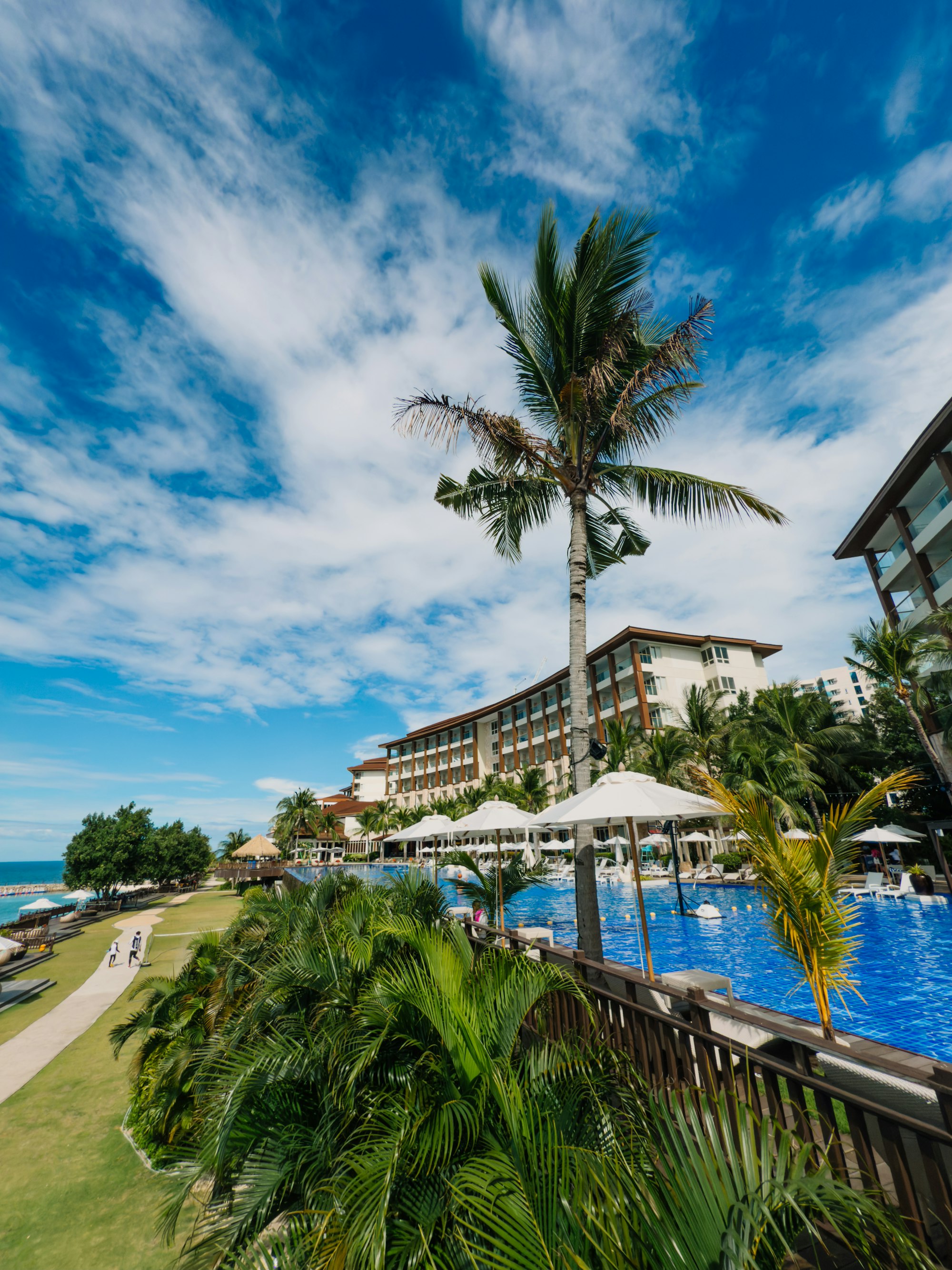
The spring emerges near the bathhouse at around 30 degrees Celsius, according to Portuguese press reports, and the water is described as hyposaline, sulfurous and sodic. The spa occupies a neoclassical building inspired by the eighteenth century, and the thermal complex known as Taipas Termal includes hotel units, thermal pools and a leisure park.
The experience is best approached as a ritual rather than a program. A thermal circuit, a massage, a body scrub or an aromatic bath fills a pleasant morning, and the spa also uses its own cosmetics, including soaps made with natural oils and thermal water. Treatments and packages change from season to season, so it is wise to review the current offer and book ahead.
Walking the riverside
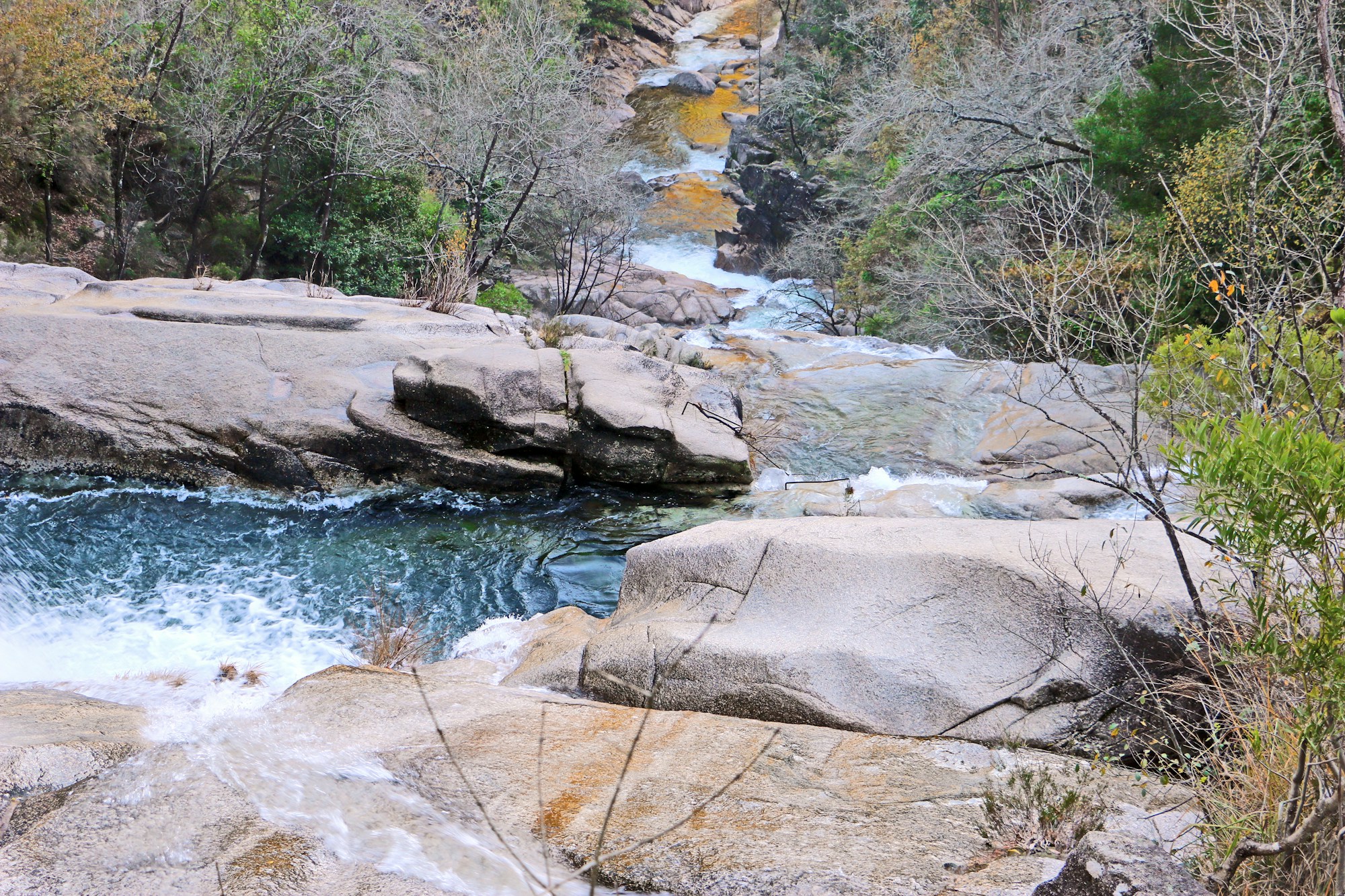
Outside the spa, the town has a natural park on the banks of the Ave River, with a leisure park and a river beach. The Ponte das Taipas, the bridge that crosses the Ave, gives the town a graceful landmark, and a stroll along the water is the simplest way to understand why the place has attracted visitors for so long.
The town also keeps its own calendar. It is known for pilgrimages to Saint Peter, and for the Festas da Vila held in his honor. A weekly Monday market and an antiques market add everyday color to a visit, and the town has historically been associated with a cutlery industry, a modest reminder that it is a working community as well as a spa.
Planning a weekend

Pack comfortable shoes, a light wrap for the evenings and a book. This is a destination for slowness, and it rewards those who allow it to be slow.
A note for the reader
This article is a cultural and travel guide and does not offer medical advice. Anyone with a health condition, or who is pregnant, should consult a qualified professional before taking part in thermal treatments. Opening hours, treatments, prices and facilities can change, so please confirm all details directly with the spa and each venue before you travel.