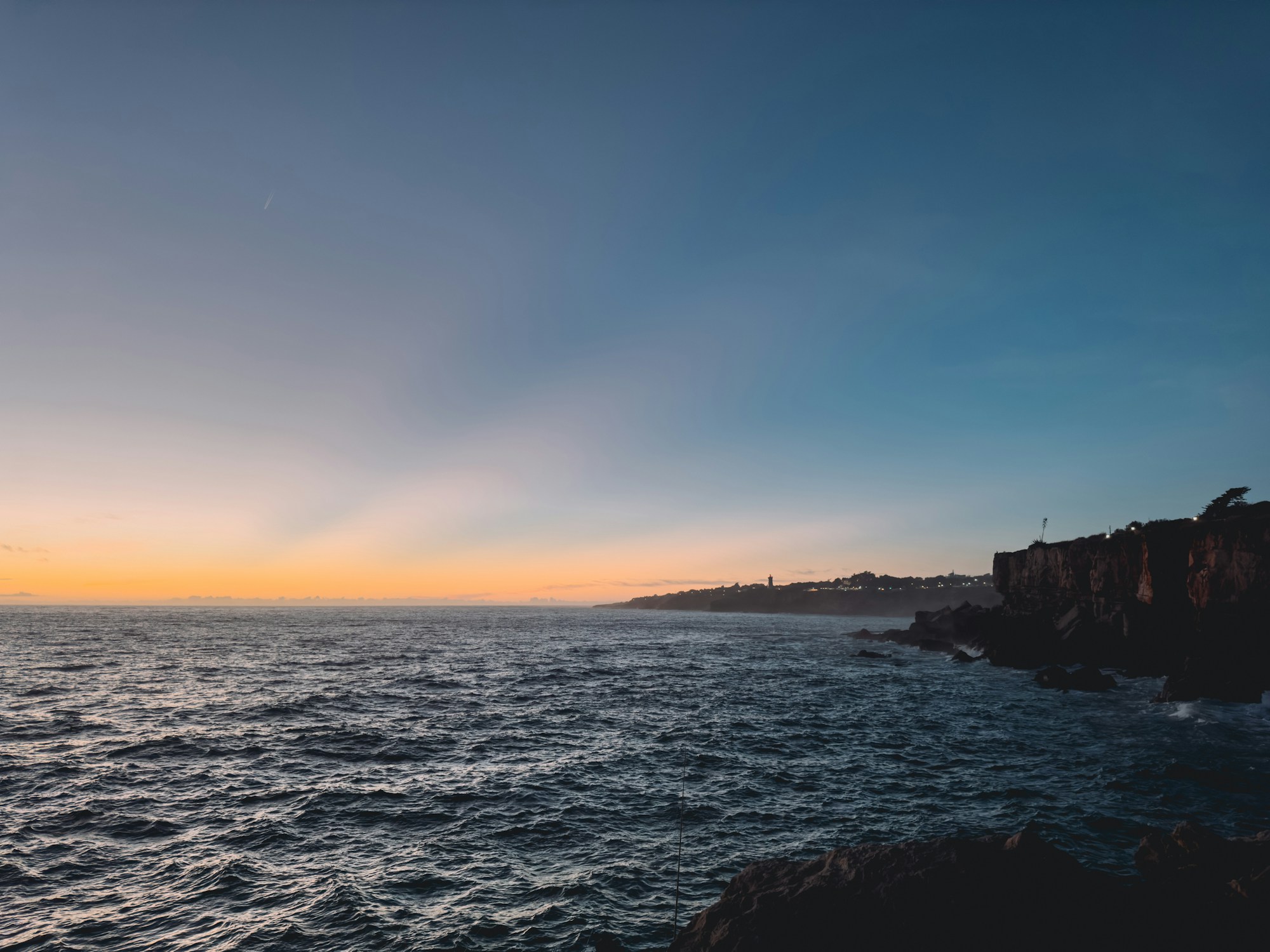
Funchal rises from the Atlantic in a great green amphitheater, its red roofs and white facades climbing the hills above a working harbor. As the capital of Madeira, it is the natural base for anyone exploring the island, yet it rewards more than a night or two. A Funchal travel guide worth keeping begins with the idea that this is a city best taken at a gentle pace: a market in the morning, a garden in the afternoon, and a long dinner in the Old Town as the light fades over the water.
Begin in the Old Town and the Mercado dos Lavradores
The Old Town is flat, compact and easy to walk, which makes it the ideal first chapter. At its edge stands the Mercado dos Lavradores, the farmers’ market, which opened in 1940 to a design by Edmundo Tavares. Across two floors it brings together exotic fruit, flowers, fish, cheese, spices and herbs, and it is one of the most colorful rooms in Portugal. Go early, when the stalls are freshly laid out, and take your time with the fruit: passion fruit and the small pineapple banana are local favorites. Opening hours vary by day and the market is closed on Sundays, so confirm the schedule before you set out.
From the market, the Rua de Santa Maria runs for roughly 600 meters toward the Fortaleza de São Tiago. It is known for its painted doors, a splash of street art that turns the street into an open gallery, and for the restaurants that line it. At the far end the São Tiago fortress, with its bright yellow facade, was built as a defense against pirate attacks, and visitors can walk through it and up onto the towers for a view across the bay. The street is lively, so it rewards a morning stroll more than a quiet dinner.
Nearby, the Sé Catedral do Funchal is a fine example of the Manueline style. Its construction began in the late fifteenth century and the church opened in 1517. Entry is free, and the cool interior is a welcome pause between the market and the harbor.
Rise to Monte by cable car

At the top, the Monte Palace Tropical Garden spreads across roughly 70,000 square meters beside the upper cable car station, with exotic plants, lakes, sculpture and wandering birds. Allow a generous few hours. The Botanical Garden is also in Monte and is linked to the Tropical Garden, so garden lovers can happily spend the better part of a day on the hill.
For the descent, many visitors choose the traditional wicker toboggan. Two drivers, known as carreiros, guide a basket seat on a ride of about two kilometers downhill toward Livramento. It is a charming piece of Madeiran heritage rather than a thrill, and the walk or short taxi ride from Livramento brings you back to the center.
Taste the island at Blandy’s and the Madeira Story Centre
No visit to Funchal feels complete without Madeira wine. Blandy’s Wine Lodge in the Old Town has been run by the same family for seven generations, and its guided tours are offered in several languages, including Portuguese, English, German, French and Spanish. A tour through the old lodge, followed by a tasting, is an elegant way to understand why this fortified wine has traveled the world for centuries. Tours run on weekdays and Saturday mornings, and booking ahead is sensible.
For context on the island itself, the Madeira Story Centre tells the story of Madeira’s volcanic origins and its discovery, and it has a shop with regional handicrafts. It makes a thoughtful rainy-day stop and gives younger travelers a way into the island’s history.
The Lido, the sea and the whales
Funchal’s coastline is rocky, so swimming is organized around purpose-built bathing complexes, known locally as lidos. The Complexo Balnear do Lido and the Complexo Balnear da Ponta Gorda, mostly around Praia Formosa, offer large pools and generous space for sunbathing with the Atlantic in view. Praia Formosa itself is a pebble beach of about two kilometers, more a place for a seaside walk than for swimming.
Out on the water, whale and dolphin watching tours operate throughout the year, although sightings can never be guaranteed. A short boat trip at sunset is a quiet, unhurried way to see Funchal as sailors once did, with the whole green hillside spread out above the bay.
When to visit Funchal
Funchal rarely gets truly cold, so sightseeing is possible year-round. Spring and fall are generally considered the most comfortable seasons, with soft light and fewer crowds. The calendar adds its own reasons to plan ahead: Carnival brings the main parade to the city, the Madeira Flower Festival opens with a flower parade in May, and the Madeira Wine Festival runs from late August into mid-September with several events in town. In December, the city is dressed for the holidays, and New Year’s Eve is known for one of the finest fireworks displays in Portugal.
A well-paced stay of three or four nights lets you see Funchal properly and still leave room for the island beyond: the levadas, the northern coast and the mountains. Opening hours, ticket prices and event dates change from season to season, so please confirm details with each venue before you go.