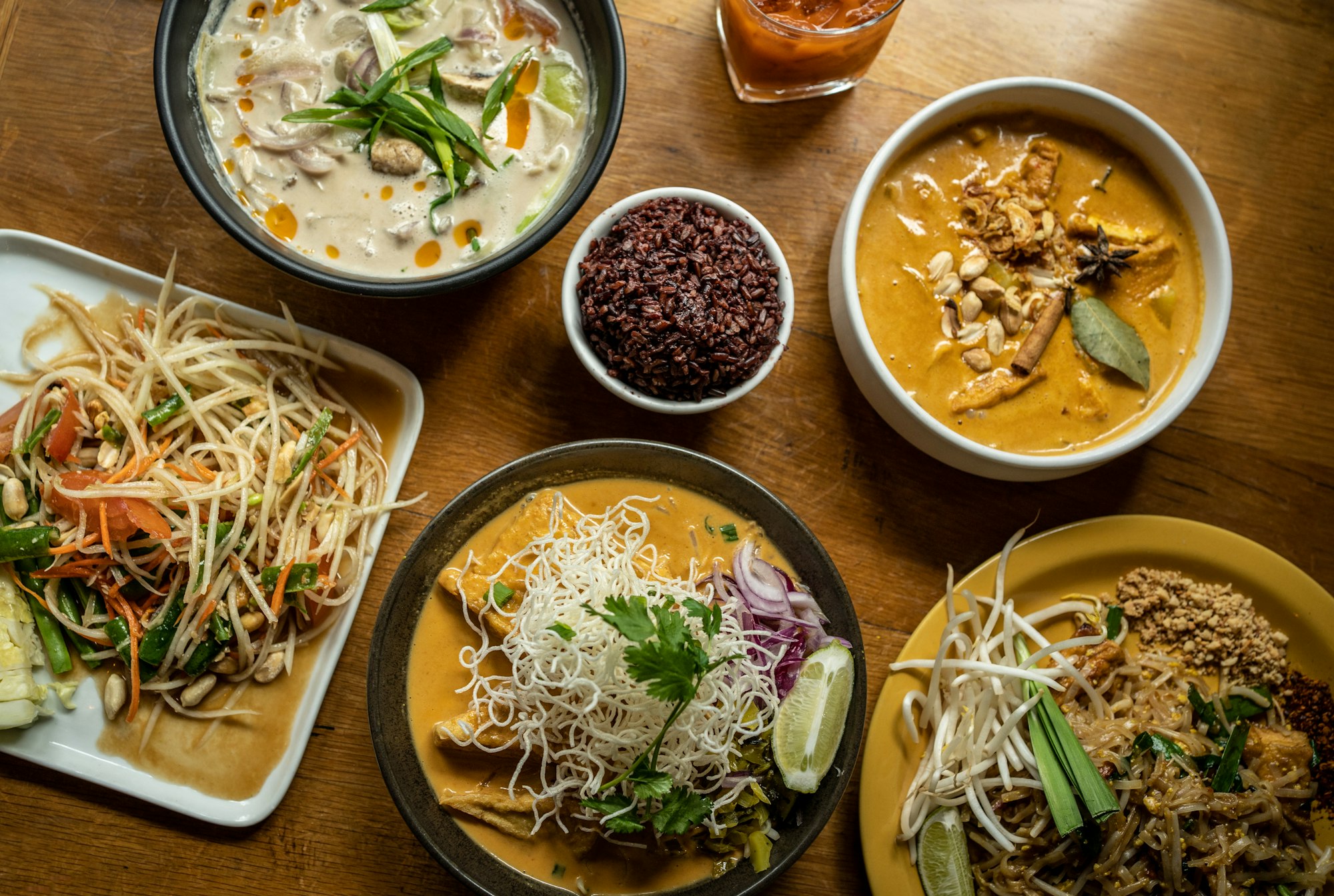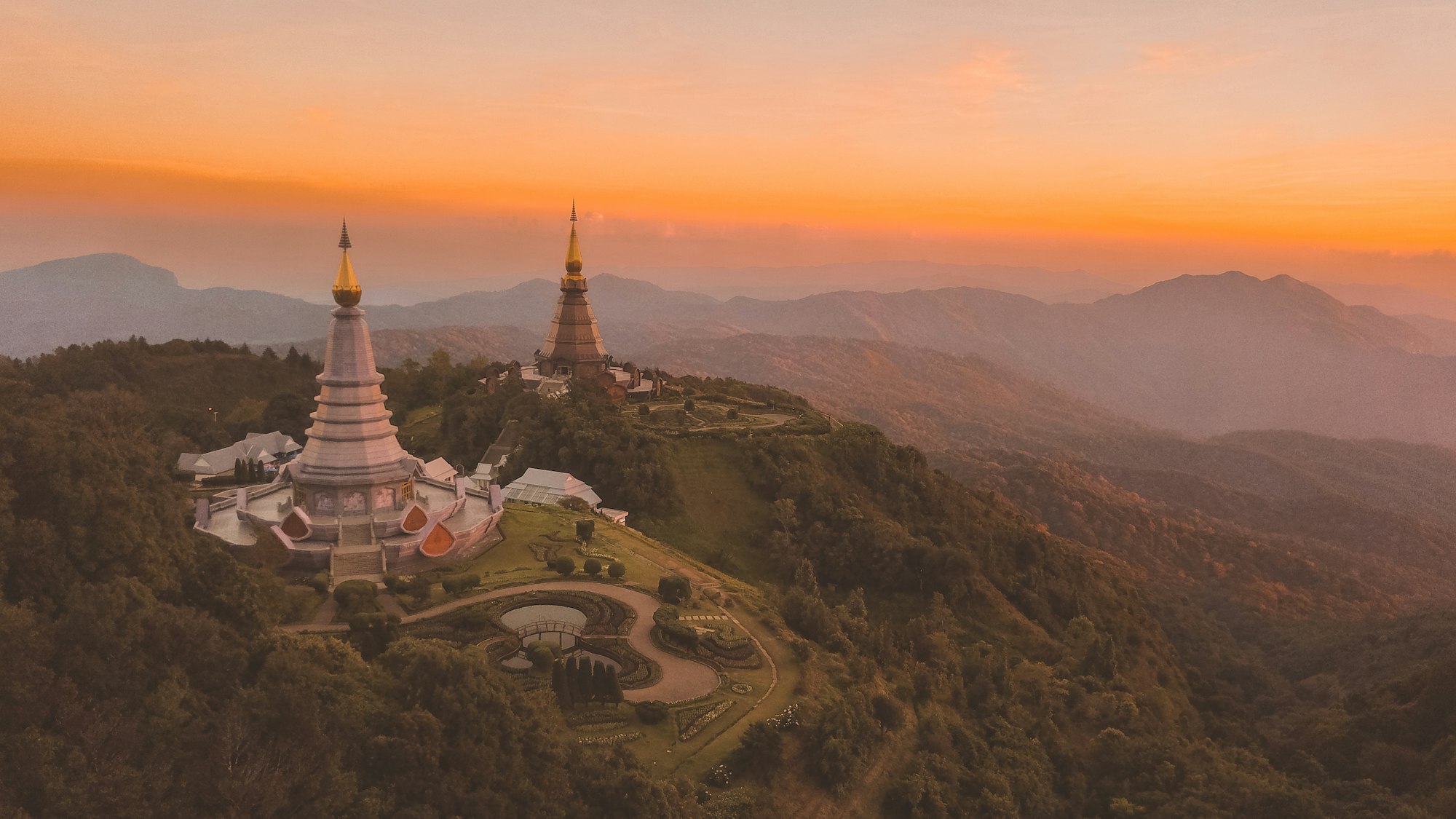
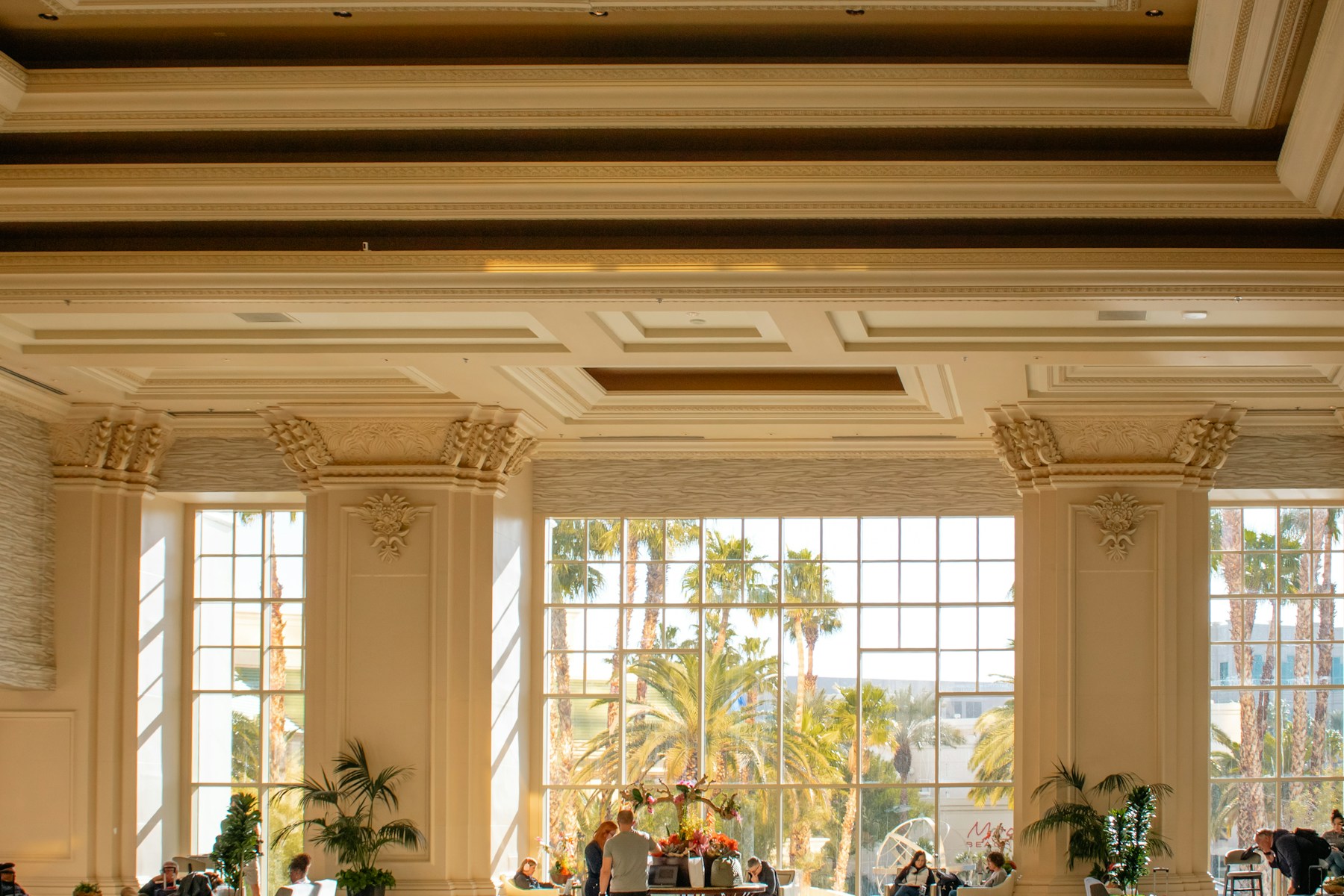
A guest rarely arrives at a hotel or restaurant without having first seen it. Long before the door opens, an image has already offered a promise: a terrace at dusk, a table set for lunch, a corridor of pale stone. In luxury hospitality, those first impressions carry weight, because they speak to a guest who is choosing with care. In Portugal, where light and landscape are among the country’s great assets, the question of visual language is worth considering thoughtfully.
Light as the First Ingredient
Portuguese light has a reputation that visitors often notice within hours of landing. It is clear on the Atlantic coast, warm and golden across the Alentejo plains, and softened on the terraced slopes of the Douro. Hospitality that works with this light, rather than against it, tends to feel natural. Rooms photographed at the hour they are actually loved, whether morning in a cloistered courtyard or evening on a whitewashed terrace, communicate honesty before a single word is read.
This is why careful brands think about timing, not only equipment. An image made at the right moment needs very little decoration.
Lisbon offers a fine lesson in how changeable good light can be. One published account of the city describes a bowl of hills that gathers reflections from the river and concentrates them at the center, while ochre and pink facades and pale limestone scatter the glow. The same writer notes that the light never holds still: late afternoon can draw geometric patterns between narrow streets and across rooftops, and at sunset the sky turns to bands of ruby and citrus. The poet Fernando Assis Pacheco is quoted as saying that, were he God, he would stop the sun over Lisbon. A photographer who understands this does not wait for a perfect hour so much as choose the hour that tells the truth about the room.
Place Before Product
The strongest hospitality imagery in Portugal tends to begin with place. A boutique hotel in Lisbon sits inside a particular neighborhood with its own tiles, hills and sounds. A quinta in the Douro belongs to a river, a harvest and a family history. An Algarve retreat belongs to cliffs, salt and sea air. When an image situates the property within its surroundings, it gives the guest a reason to travel there rather than elsewhere.
This approach also ages gracefully. Trends in styling come and go, but a view, a material or a craft tradition remains rooted. Imagery that honors those things stays relevant long after the season in which it was created.
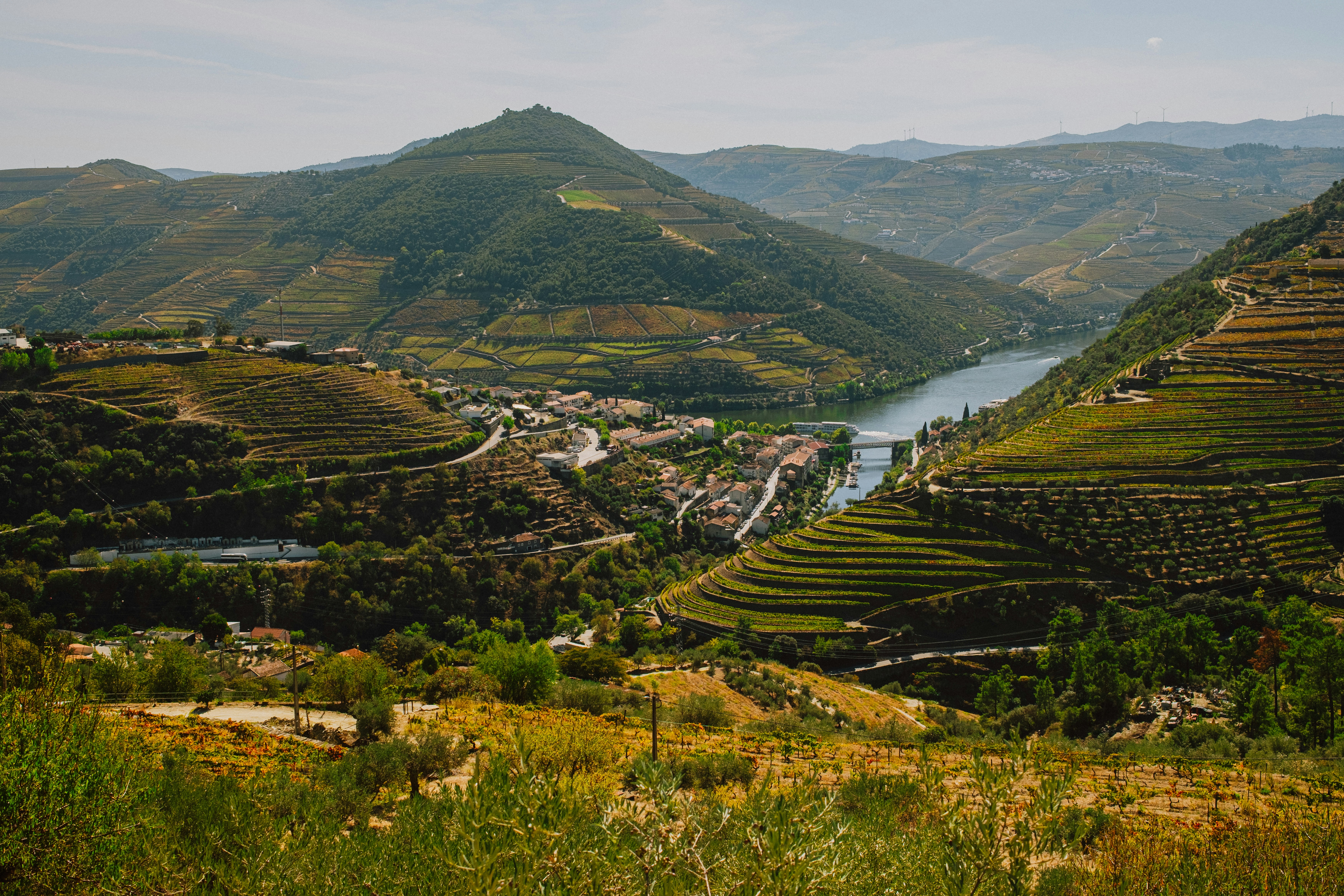
The Douro shows how much a single frame can carry. Its vineyards, inscribed on the UNESCO World Heritage List, climb steep slopes in narrow terraces held up by retaining walls of schist stone, and they cover some 24,600 hectares. The Marão and Montemuro mountains shelter the valley from harsh Atlantic winds, and wine has been made here for roughly two thousand years. A photograph of a terrace at harvest is therefore never only a pretty view. It carries centuries of labor, and the viewer senses that weight even without being told.
The Quiet Authority of Restraint
Luxury is often communicated through what is left out. A single chair by a window, a table with room around it, a hand pouring wine: such images allow the viewer to imagine themselves present. Crowded compositions and heavy retouching can work against that feeling, because they suggest effort where the guest is looking for ease.
Restraint also protects consistency. A calm visual identity, applied with care across a website, a menu, a press kit and a social presence, begins to feel like a signature. Guests may not be able to explain why a brand feels trustworthy, yet they sense that the same sensibility runs through everything.
Images That Support the Story
Pictures work best when they sit within a wider narrative. A photograph of a breakfast terrace gains meaning when the text beside it speaks of the bakery that supplies the bread or the grove that produces the oil. Editorial thinking joins the two, so that image and word reinforce each other rather than competing. This is where a media house and a communications practice can be useful to a hospitality brand: by treating visuals as part of reputation, not decoration.
The calendar offers a natural structure for this kind of storytelling. In the Alentejo, the grape harvest begins in early September, the olive harvest starts in November, and on 11 November, Saint Martin’s Day, towns light bonfires to roast chestnuts and pour the year’s first wine. In the Douro, the harvest runs through September and October, and visitors may tread grapes by foot in stone troughs called lagares. Each of these moments gives an image a reason to exist and a text something specific to say.
At Feast & Travel Media, this belief informs how stories about Portuguese hotels, restaurants and destinations are approached: with attention to place, to craft and to the reader’s own sense of discernment.
A Considered Way Forward
For hospitality brands that look to Portugal as a home or a destination, the visual question deserves the same patience as architecture or cuisine. Begin with light, root the image in place, let restraint do its quiet work and let the story carry the rest. The result is not louder, only clearer, and clarity is a form of respect for the guest.
Those who wish to explore this thinking further are welcome to begin a conversation at partnerships@feastandtravelmedia.com.