
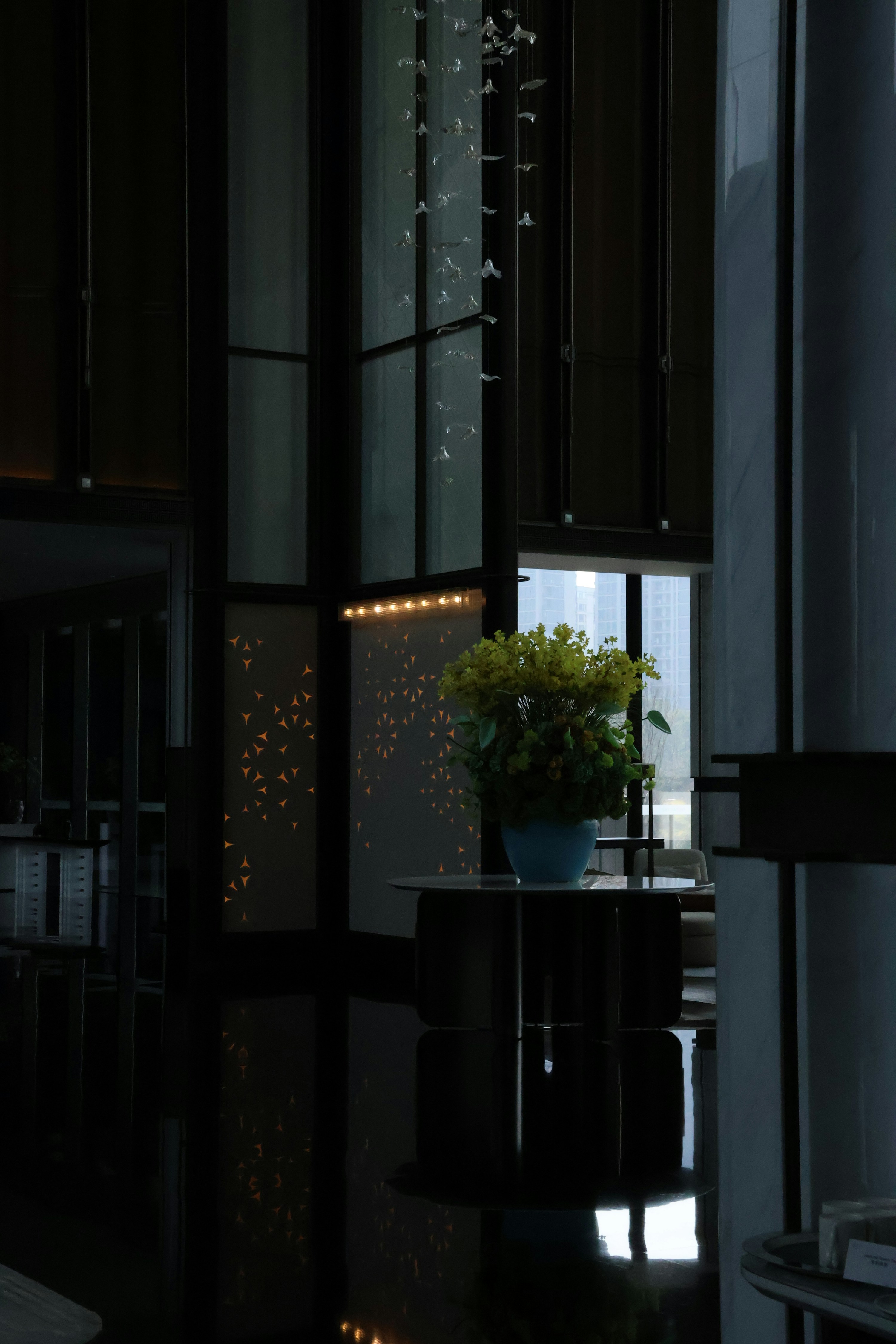
A hotel is remembered long after the stay ends, and a restaurant long after the last course. What lingers is rarely a list of features. It is a feeling, a texture, a handful of moments that someone retells to a friend. Storytelling is how those impressions are shaped, and it is the quiet foundation of hotel storytelling and restaurant reputation alike.
Reputation is a story others repeat
Reputation is not announced. It is assembled, slowly, from what guests notice and what they choose to say. A well-told story gives them the words. It names the light in the dining room, the care in a welcome, the reason a menu reads the way it does.
For a hotel or restaurant that values permanence over noise, the question is not how loudly to speak but how truthfully. A story grounded in real detail is easy to remember and easy to repeat, and that is how a reputation travels without being pushed.
Consider how a guest describes a favorite hotel: rarely the thread count, more often the way the morning felt. A restaurant is recalled in much the same way, through its pace, its warmth, its sense of occasion. Storytelling gives shape to these qualities so that they are understood before the first visit and affirmed after it.
Why editorial thinking matters
Editorial work begins with curiosity. It asks what is genuinely distinctive about a place, then looks for the most considered way to show it. The photograph is composed, the sentence is edited, and the tone is allowed to stay calm.
This is different from advertising, which tends to lead with the message. Editorial storytelling leads with the subject, and trusts the reader to draw their own conclusion. For hospitality, where trust is the true currency, that restraint reads as confidence.
The value of a Portugal-rooted perspective
Portugal offers hospitality brands a rich setting: coastlines, vineyards, historic quarters, and a culinary tradition that rewards attention. Telling stories well here means understanding the rhythm of the country, its seasons, its table, and the way people welcome guests.
Feast & Travel Media is a Portugal-based media house and creative communications agency, and it approaches its work as a publisher would. Proximity to the places it describes means the details are observed rather than assumed, and the voice stays rooted in real experience.
Reputation over visibility
Visibility counts attention. Reputation counts regard. The two are related, yet they are not the same, and the most enduring hotels and restaurants tend to invest in the second.
An editorial-first house is well suited to this distinction. It favors fewer, better-considered pieces over constant output: a feature that captures the character of a kitchen, a portrait of a property across a changing season, a visual essay that lets a room speak for itself. Each piece is made to be worth returning to.
It also means consistency of voice. When imagery, language, and tone all come from the same quiet point of view, a brand begins to feel coherent, and coherence is one of the surest signs of quality a guest can sense before arriving.
What a thoughtful story looks like
Thoughtful hospitality stories share a few qualities. They are specific, naming the dish, the material, the view. They are human, giving space to the people who make a place what it is. And they are unhurried, allowing a reader to linger.
They are also patient. A reputation of this kind is built across seasons, through a steady accumulation of work that feels considered, and it rewards the brands willing to let it grow at its own pace.
Such stories do not need to claim excellence. They demonstrate it through detail, and they leave room for the guest to arrive at their own sense of the place. That is the kind of story that earns a good name over time.
For hotels and restaurants who see their reputation as something to be cared for, we are always glad to begin with a conversation. You are welcome to write to us at partnerships@feastandtravelmedia.com.