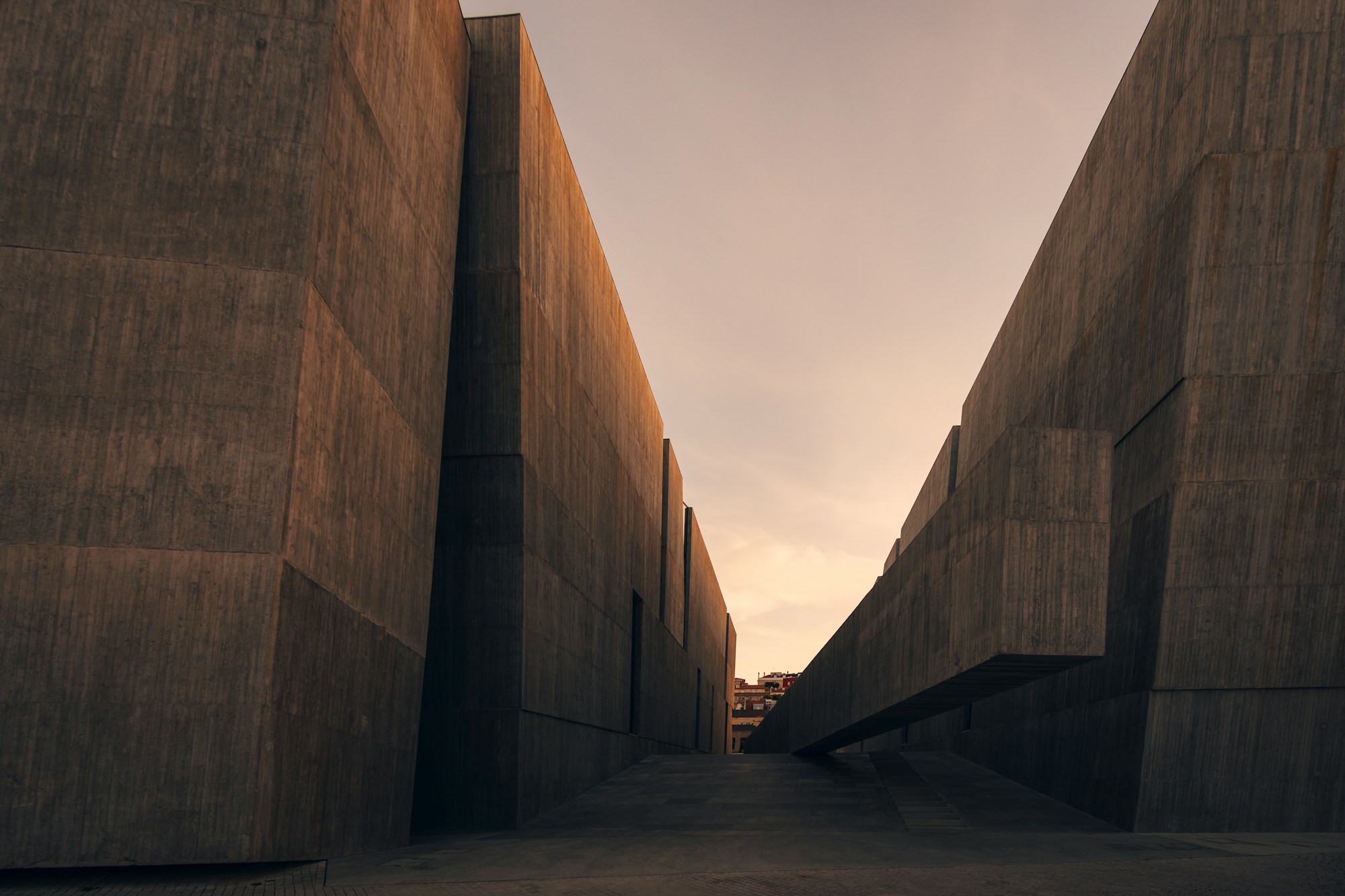

Lisbon in winter is a quieter, softer version of the city that most travelers meet in summer. The light is lower and gentler, the viewpoints are easier to enjoy, and the tables at the city’s cafés and restaurants feel warm in the most literal way. For travelers who prefer atmosphere to crowds, a Lisbon winter guide begins with one reassuring fact: this is a Mediterranean-influenced Atlantic capital where cold, when it comes, is mild by the standards of northern Europe.
What the Lisbon Winter Climate Is Really Like
Climate tables for Lisbon put daily highs in December through February at roughly 59 to 62°F (15 to 16°C), with lows around 48 to 49°F (9°C). Rain does arrive, mostly in autumn and winter, and November and December are the wettest months, together contributing about a third of the annual total of around 31 inches (793 mm). Yet the city is also described as one of the sunniest in Europe, with about 2,875 hours of sunshine in a typical year, so winter days of clear, bright light are common between the showers.
The practical advice is simple. Pack layers, a light waterproof jacket and shoes with a good grip, because Lisbon’s calçada, the patterned stone pavement, can be slippery when wet. Plan your outdoor hours around the clearer days and keep the museums, cafés and long lunches for the rest. This is a city that rewards flexibility rather than a rigid itinerary.
Museums for the Rainy Hours
Lisbon is well equipped for a wet afternoon. The Museu Nacional do Azulejo is a natural first choice, housed in the former Madre de Deus Convent, which Queen Leonor founded in 1509. The museum was established in 1965 and became a national museum in 1980. Its collection follows decorative tiles from the second half of the fifteenth century to the present day, which makes it an unhurried way to understand why azulejos define the look of so many Portuguese streets and facades.
Elsewhere, the Calouste Gulbenkian Museum holds secular and sacred art and sits beside a garden, while in Alfama the Museu do Fado tells the story of the music that Lisbon claims as its own. The Centro Cultural de Belém, in Belém, adds a program of performances and exhibitions, and the Chiado district holds several museums and theaters, including the opera. Check each venue’s current opening days and hours before you go, as museums often close on different days of the week.
Riding the Yellow Trams and Walking the Hills
The yellow elétricos, Lisbon’s traditional trams, remain an icon of the city and a sensible way to manage its steep hills. Winter is a pleasant time to ride them, since carriages that feel crowded in high season are often calmer. The Museu da Carris displays some of the earliest trams for those who enjoy transport history.

Warm Tables, Fado and Evening Rituals
The city’s food culture suits cooler weather. Think of bowls of soup, grilled fish, roasted meats, salt cod in its many forms and, to finish, a custard tart with a strong coffee. Alfama is known for its fado bars and restaurants, and an evening of fado is a fitting way to end a winter day, with its mix of longing and warmth. In the Beato district, gourmet restaurants have gathered, while LX Factory in Alcântara hosts markets, exhibitions and live performances in a converted setting that feels distinctly contemporary.
Many travelers also use winter to enjoy Lisbon’s cultural side without the pressure of peak season, booking a table early in the evening and leaving time for a stroll afterward. If you are choosing where to eat, ask your hotel for suggestions rooted in the neighborhood, and always confirm details such as hours, reservations and fado show times directly with each venue.
Choosing Where to Stay in Winter
A winter stay in Lisbon is best chosen for comfort and location. A hotel within walking distance of a tram line, a miradouro and a good café makes wet days feel easy rather than limiting. Many travelers prefer Chiado or Príncipe Real for their mix of shops and restaurants, and Alfama for its atmosphere. Look for rooms with thick curtains, good heating and a quiet courtyard or terrace, and consider a spa or a lounge with a fireplace for the hour before dinner.
A Gentle Case for Visiting Off-Season
Lisbon in winter does not try to impress. It invites you to slow down, to linger over a lunch, to spend an afternoon in a tiled convent and to watch the city turn gold across the river. With mild temperatures, generous sunshine between showers and a cultural calendar that does not pause for the season, it is a thoughtful choice for travelers who value atmosphere. As with any journey, check current opening times, events and weather forecasts before you travel, and let the city set a calmer pace.