
Along Portugal’s eastern border, where the Beira Baixa landscape opens into wide, quiet horizons, sits a small spa town with a very long memory. Termas de Monfortinho, in the municipality of Idanha-a-Nova, has been known since Roman times for waters that rise warm from deep within the earth. For travelers who prefer a gentle, place-rooted idea of wellness over a crowded resort, this thermal town offers a calm and distinctly Portuguese experience.
Where Monfortinho Sits
Termas de Monfortinho lies in the Castelo Branco district, in the Centro region, close to the Spanish border, which is one of the main crossing points between the two countries. It is a small place, with a population of only a few hundred in the most recent census figures, and its scale is part of its appeal. There are no large crowds, only the unhurried rhythm of a spa village set within an open natural landscape.
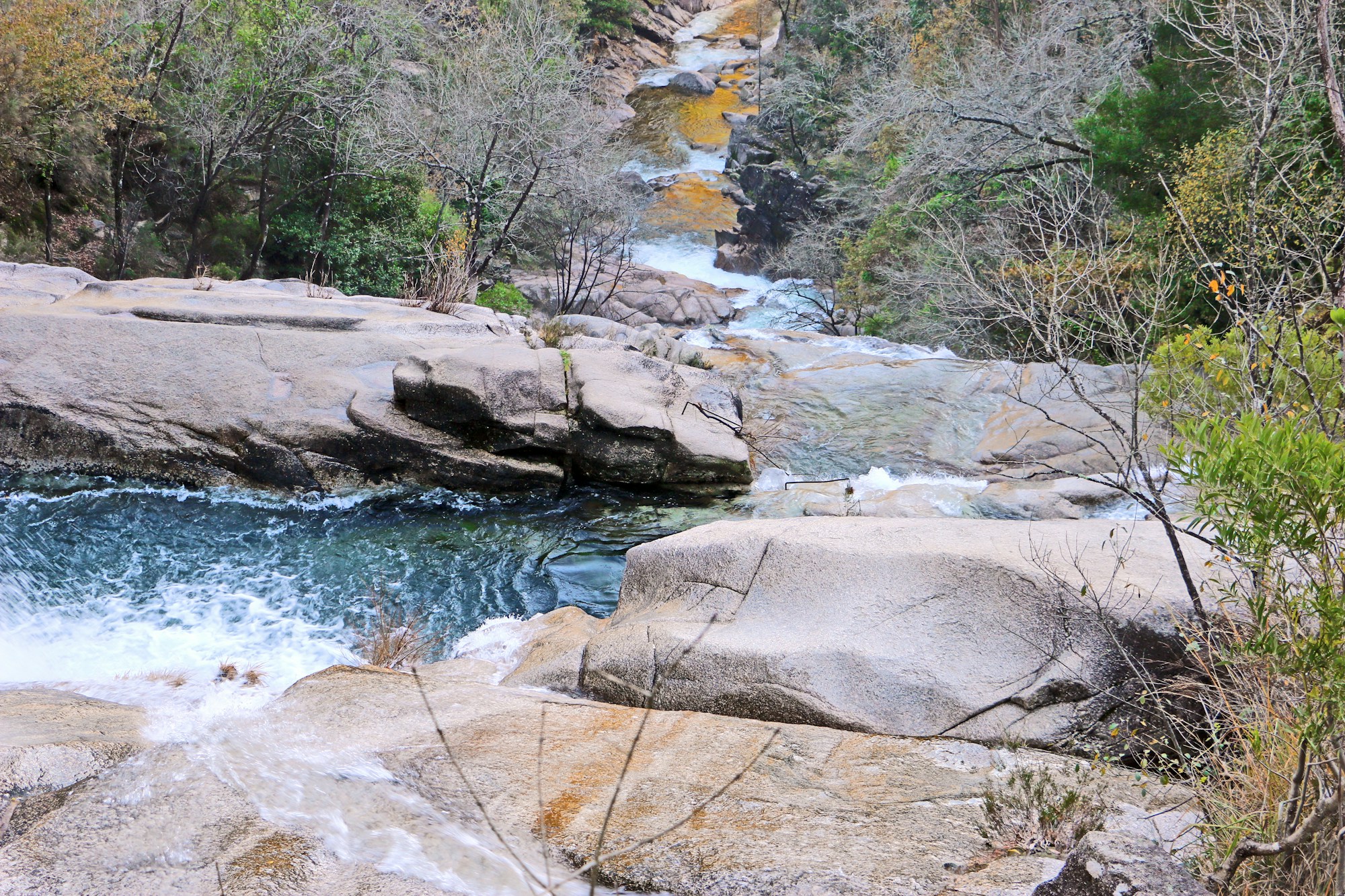
The setting is also of geological interest. The thermal springs are recognized as a geosite of hydrogeological importance within the Naturtejo UNESCO Global Geopark, which makes a visit as appealing to the curious traveler as to the wellness seeker.
Waters Known Since Roman Times

This is a good moment to add a note of care. Spa traditions are rooted in culture and heritage, and the experience should be enjoyed as a restful ritual rather than as a medical treatment. Traditional descriptions of the waters mention a range of uses, but travelers who have a health condition should speak with a qualified professional before booking any treatment.
What a Visit Feels Like
A thermal visit here tends to be slow by design. The spa offers thermal treatments alongside information on the geological context, the history and the properties of the waters, and visitors can taste the water at the spring. Entry to the lobby and the spring area is free, while guided tours and treatments are paid. Schedules vary between the thermal season and the rest of the year, so confirm opening hours directly before you set out.
The pleasure of the day lies in the details: a warm drink of spring water, a stroll through the quiet streets, the clean air of the interior and the sense of stepping into a tradition that has outlasted empires. After a morning at the spa, a gentle walk to enjoy the surrounding landscape completes the experience.
Pairing the Spa with the Beira Baixa
Monfortinho makes an agreeable base for exploring the wider region. The nearby villages of Salvaterra do Extremo and Toulões are within easy reach by car, according to the official guide, and the broader Idanha-a-Nova area is known for its historic villages and wide, uncrowded countryside. Because the region is far from the busier coastline, it suits a slow itinerary with several quiet days, a book and good food.
For dining, look for traditional restaurants serving the hearty regional cooking of the interior, with local cheeses, cured meats, olive oil and bread. The official tourism pages for Idanha-a-Nova list places to stay and to eat, and they are a good place to begin planning.
Planning a Gentle Weekend
Because Monfortinho is small, a thoughtful visit rewards a little planning. The village is reached by road, with regional bus services and parking for private vehicles, and the spring area can be explored on foot without a reservation, though guided visits are arranged in advance for groups. Pack comfortable shoes for walking, a light layer for cooler mornings and a bathing suit if you intend to book a treatment.
Bring a sense of curiosity as well. The thermal town is a reminder that Portuguese wellness began with place: water, stone and time. Many travelers pair the spa with an afternoon among the geological and natural sights of the Geopark, a simple way to understand why these waters have drawn people for so long, and a pleasing contrast to the more polished spa hotels found elsewhere in the country.
Why Thermal Towns Still Matter
Portugal has a rich tradition of thermal towns, from the north to the Algarve, and each has a character of its own. Monfortinho is among the quieter ones, valued for its authenticity and its link to a long history of taking the waters. In a wellness world that often favors novelty, the appeal of a place that has welcomed bathers for centuries is both comforting and refreshing.
A visit here is best treated as a pause: a day or two of warm water, good air, a simple table and time with no obligations. As with every destination in this guide, please confirm details such as opening hours, treatments and seasonal schedules with the venue, since they can change.
This article is for general interest and inspiration only and is not medical advice. Please consult a qualified health professional about any wellness treatment.