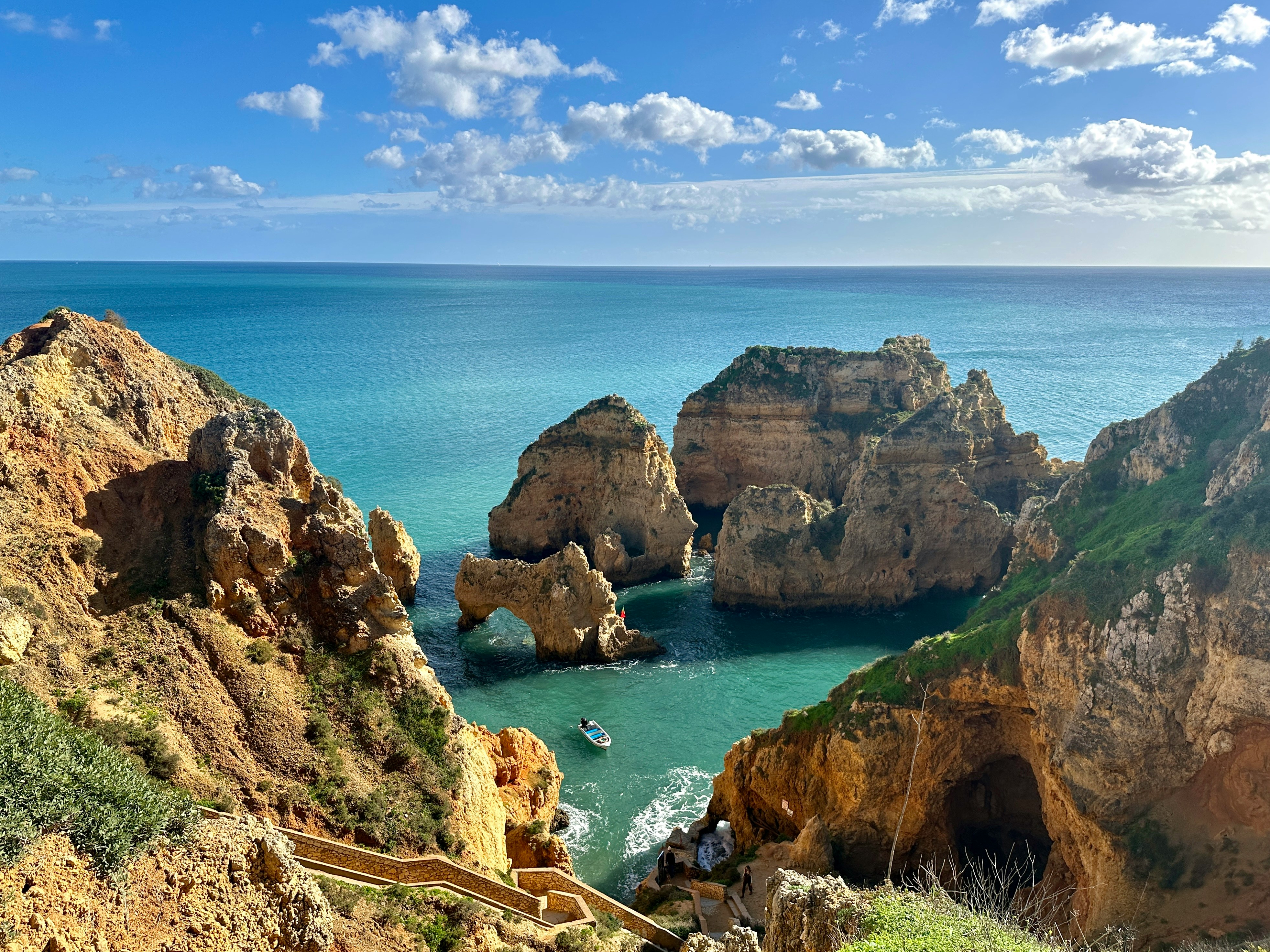
An hour south of Lisbon, the Arrábida range rises from the Atlantic in pale limestone and dark green scrub, with water below it the color of sea glass. Setúbal sits on the Sado Estuary, about 45 minutes from the capital by car or train, and the stretch between the two makes one of the most rewarding day trips from Lisbon: a protected coast, a working market town, a creamy sheep’s cheese and a dessert wine, all within easy reach of one another.
The Arrábida Coast
Arrábida belongs to UNESCO’s Man and the Biosphere network. The reserve spans the municipalities of Palmela, Sesimbra and Setúbal, and it protects oak forest, Mediterranean scrub and rugged coastal cliffs while allowing fishing, farming and tourism to continue alongside conservation. The result is a landscape that feels cinematic yet unhurried.

Setúbal: Market, Sea and Old Streets
Setúbal is a port city that wears its fishing heritage lightly. The daily Mercado do Livramento is the heart of it, known for fresh seafood, cheese and a celebrated oyster stall, and it is a pleasure simply to wander. In the historic center, cobbled streets lead to churches such as Igreja de São Julião, and a castle above the town has a café with a view.
Order choco frito, the local specialty of fried cuttlefish, and let lunch run long. It is the kind of meal that explains why so many Lisbon residents make this journey on a free weekend.
Azeitão: Cheese, Tiles and Wine
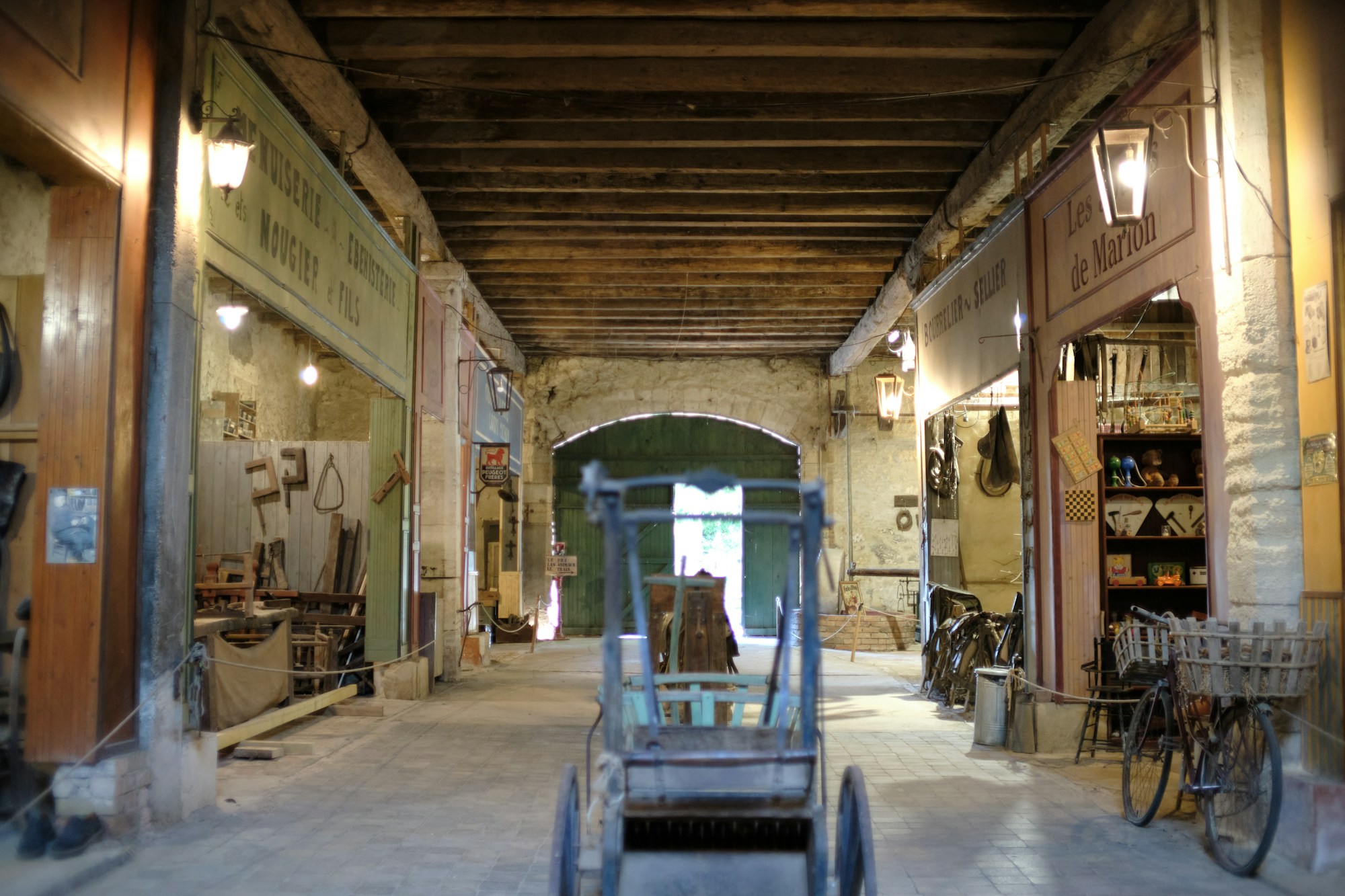
Inland from the coast, the village of Azeitão gathers several of the region’s finest traditions in a few quiet streets. Queijo de Azeitão is a creamy sheep’s milk cheese, and the Queijaria Simões offers tours for those who want to see how it is made. Azulejos de Azeitão is an artisan tile studio, a reminder of how closely craft and everyday beauty are woven together in Portugal.
Two wineries, José Maria da Fonseca and Bacalhôa, welcome visitors for tastings, which are best booked ahead. The signature pour of the area is moscatel, a fragrant dessert wine, and the local sweet to taste beside it is torta de Azeitão, a delicate sponge roll. Together they make a graceful end to a long lunch.
Sesimbra and Planning Your Day
If time allows, continue to Sesimbra, a fishing village with two sandy beaches on either side of a fort. It is also home to farinha torrada, a traditional local sweet, and makes a natural place to watch the afternoon light settle over the water.
A well-paced itinerary might begin at the Livramento market in Setúbal, move to the Arrábida coast for a swim and a viewpoint, and finish in Azeitão with cheese, tiles and a tasting. Travelers who prefer not to drive will find that private drivers and small-group guides operate from Lisbon, and a night in the area turns the outing into a true retreat.
As always, please confirm opening hours, tasting availability and seasonal access with each venue before you travel.
Related guides: a guide to Moscatel de Setúbal and how to taste it, a Comporta travel guide and a Cascais travel guide.