
São Miguel is the largest island in the Azores and, for most visitors, the first one they reach. It rewards a slow itinerary: crater lakes that change color with the light, a geothermal valley where dinner cooks in the ground, and a tea estate that has been working since the nineteenth century. This guide to São Miguel sets out a considered route through the island’s best-known places, built around the details that official and reputable sources confirm, with room left for your own pace.
Ponta Delgada: A Gentle Arrival
Ponta Delgada, the capital and largest city, sits on the island’s southern coast. It is the seat of the regional government, the location of the main airport in the Azores and the principal cruise port, which makes it the natural base for a first visit. The old center is compact and pleasant to walk. Landmarks include the Portas da Cidade, the Igreja Matriz de São Sebastião, the Forte de São Brás and the Mercado da Graça.
Give the first afternoon to the town itself. Wander the old center, stop at the market for fruit and local cheese, and let the island’s pace settle in. From here, most of the major sights are a day trip by car, which is why many travelers choose a single comfortable base rather than moving hotels.
Sete Cidades: The Twin Lakes

The crater rim is wrapped in laurel forest and, in season, blue hydrangeas. The Vista do Rei viewpoint is the classic place to stand; the same source records that King Carlos I and Queen Amélie visited in 1901 and called it the most beautiful spot in the Azores. Mist can gather on the rim by mid-morning, so an early start gives the best chance of a clear view. A walk or a quiet drive along the lakeshore, with a stop in the small village at the water’s edge, makes a restful half day.
Lagoa do Fogo: A Lake in a Nature Reserve
Lagoa do Fogo, the Lake of Fire, lies high in the center of the island at roughly 776 meters, and is often described as the highest lake in the Azores. It is protected as part of a nature reserve, and the water sits in a bowl of green slopes that shift between clear views and drifting cloud within minutes. A trail of about four kilometers round trip leads down to the lake for those who like to walk.
Access to the viewpoint road changes with the season. During the summer months, private vehicles have been restricted for part of the day, with a shuttle running from nearby points. Rules can change, so confirm current arrangements locally before you set out. As with Sete Cidades, mornings tend to be clearer, and a light waterproof layer is a sensible companion on any day.
Furnas: Steam, Gardens and Cozido
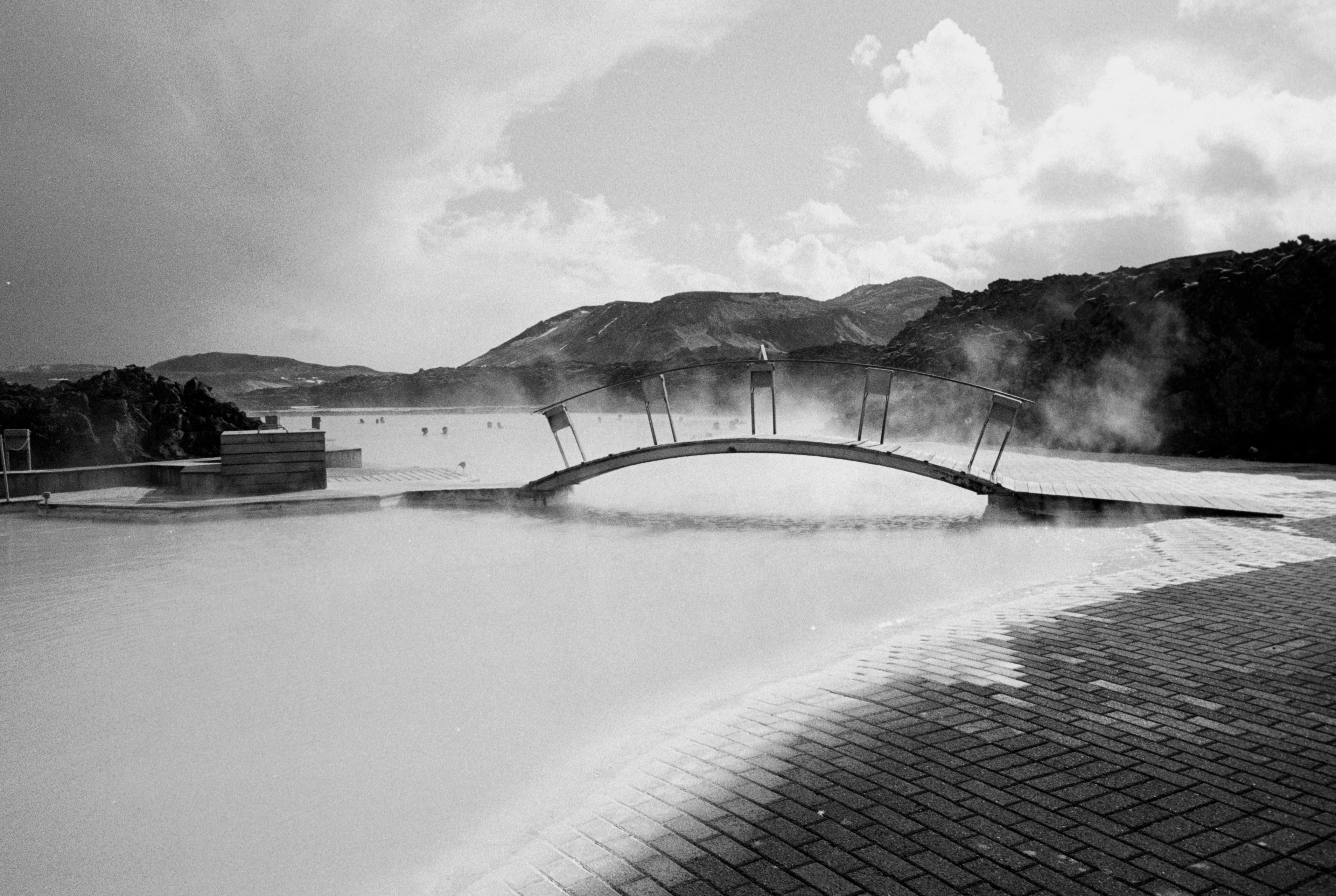
The valley of Furnas, in the east, is the island’s geothermal heart. It lies inside an ancient volcanic crater and is known for hot springs and steaming fumaroles, along with a distinct mineral scent in some areas. Terra Nostra Park combines botanical gardens with a large, iron-rich thermal pool near the entrance; bring a swimsuit and a towel you do not mind staining. Other bathing spots in the valley include the Poça da Dona Beija pools.
Furnas is also the home of cozido das Furnas, a slow-cooked stew prepared underground using volcanic heat. Restaurants in the valley serve it at midday, and it is a memorable way to taste the island’s landscape. Ask your hotel or restaurant about timings and reservations. A relaxed lunch here, followed by an unhurried hour in the park, is a fine counterpart to the high viewpoints of the west.
Gorreana: Europe’s Tea Country
On the north coast, near Maia in the municipality of Ribeira Grande, the Gorreana estate presents one of the Azores’ most unusual sights: rows of tea bushes running down toward the Atlantic. Published accounts describe tea being planted there in 1874, with commercial production beginning in 1883, and São Miguel is widely noted as home to the only tea plantations in Europe. Tea cultivation grew in the nineteenth century after the island’s orange export trade declined.
A visit usually takes under an hour. The factory, museum and tasting room are open to visitors, and published accounts note that entry and a tasting of the teas have been free, with longer hours in summer than in winter. Confirm details on arrival, since opening times and conditions can change. A cup of black or green tea, taken with the ocean in view, is one of the island’s quiet pleasures.
Sea, Seasons and Practical Notes
Whale and dolphin watching departs mainly from Ponta Delgada and Vila Franca do Campo. Species recorded around the island include sperm, blue, fin and sei whales, with dolphins visible through much of the year; spring is often cited as best for the larger migratory whales. Sightings can never be guaranteed, and weather affects every departure.
As for timing, spring brings green landscapes and fewer visitors, summer is warmest and busiest, autumn is calm and mild, and winter is cooler and wetter, though it suits long thermal soaks. Weather on São Miguel can change from hour to hour, so plan the major viewpoints with flexibility. A rental car is the simplest way to link the sights, and guided drivers are available for those who prefer to watch the scenery.
Details such as opening hours, vehicle restrictions and tour schedules change over time, so please confirm them with each venue or operator before you travel. Approached with patience, São Miguel offers some of the most memorable scenery in Portugal.