Port is more than a dessert wine. It is a fortified wine from the Douro Valley, shaped by schist hillsides, patient aging and a long relationship with the sea, and it rewards anyone willing to learn its styles. This guide to Port wine explains how it began, how it is made, how the main styles differ and how to serve and pair a glass with confidence.
A short history of Port
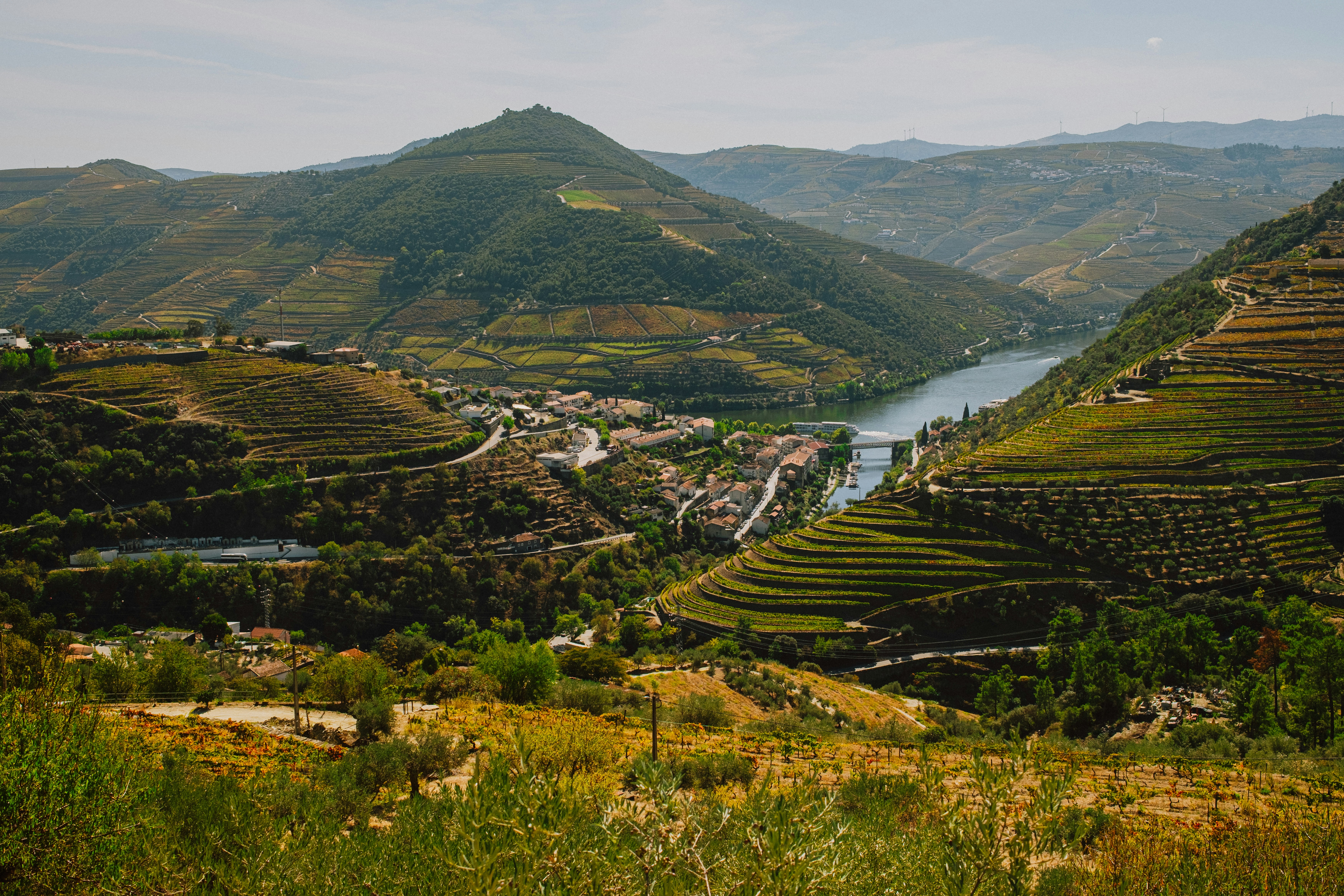
Port production began in the seventeenth century, when British merchants shipped fortified wines from northern Portugal to the British Isles. The Douro Valley, today a UNESCO World Heritage landscape, has schist soils that suit the vine. According to legend, two English merchants in Lamego saw a local abbot adding grape spirit to the wine to stop fermentation early, which preserved sweetness and helped the wine survive the sea voyage.
By the middle of the eighteenth century, prices had fallen and there were concerns about adulteration. The Companhia Geral dos Vinhos do Alto Douro was established by royal charter in 1756, and among its first tasks was creating the Douro appellation and balancing production, trade and price. During the Napoleonic Wars, an embargo on French wines helped Portuguese producers gain ground in the British market.
How Port is made
Grapes are traditionally trodden by foot in shallow stone troughs called lagares, although some producers now use robotic treading. Fermentation lasts about two days, in wooden vats or stainless steel tanks. A clear grape spirit, about 77 percent alcohol by volume, is then added to stop fermentation. The timing of that addition determines how much natural sugar remains, and therefore how sweet the wine will be.
The finished wine is fortified to roughly 19 to 22 percent alcohol. Until 1987, Port had to be aged in the lodges of Vila Nova de Gaia, across the river from Porto. A regulatory change that year allowed aging in air-conditioned warehouses in the Douro as well.
The main styles, explained
Ruby Port is young and fruit-forward, aged two to three years in large vats. Reserve Ruby is riper and more concentrated, aged three to five years, and must pass a blind tasting. Tawny Port is blended and aged oxidatively in oak, which gives an amber color and notes of nuts, fig and caramel. The ages on a tawny label, such as 10, 20, 30 or 40, denote the average age of the blend.
Colheita is a single-year tawny aged for at least seven years. Vintage Port is declared only in the best years, bottled unfined and unfiltered, and can mature for fifty years or more. Late Bottled Vintage, or LBV, is aged four to six years in oak and keeps fresh red and black fruit. Crusted Port is aged about four years in vats and three in bottle, with a natural sediment. White Port ranges from pale straw to gold and from dry to sweet, and pink Port is made with a short, cold maceration of red grapes.
How to serve Port

White Port and tonic, often called a Portonic, has become a lighter way to begin an evening, served over ice with a sprig of mint or a slice of citrus.
Pairing Port with food
Tawny is a natural companion to pâté, nuts, dried fruit and strong cheeses, and a ten-year tawny suits vanilla ice cream. Ruby suits chocolate desserts, cakes and cheesecake. LBV can stand beside steak or duck with a rich sauce. White Port works with salads, salmon, seafood and creamy soups, while fuller styles go well with grilled fish or chicken. Vintage Port is a digestif, ideally aged twenty years or more, enjoyed slowly after the meal.
The Douro permits 116 grape varieties, of which about thirty are used regularly, which is one reason Port can show so many personalities in the glass.
Tasting Port in Porto and the Douro
The most natural place to begin is Vila Nova de Gaia, where historic lodges line the riverbank opposite Porto’s Ribeira, and where visits and tastings introduce the styles in context. A longer journey up the river leads to the terraced vineyards themselves, where the scale of the landscape explains the wine. Opening hours, tour formats and booking requirements vary, so please confirm details with each cellar before you plan your visit. Please also drink responsibly.