Some of Portugal’s most memorable sounds carry no instruments at all. Across the plains of the Alentejo, groups of men and women sing in measured, resonant harmony, voices alone, in a tradition known as cante alentejano. In 2014 UNESCO inscribed it on the Representative List of the Intangible Cultural Heritage of Humanity, where it stands beside fado as one of Portugal’s two music traditions on the list. For travelers who come to the region for its wine, its whitewashed towns and its long tables, cante is the thread that explains the rest: it is the sound of belonging to a place.
What Cante Alentejano Is
UNESCO describes cante alentejano as a genre of traditional two-part singing performed by amateur choral groups in southern Portugal, without instrumentation. Groups can include up to thirty singers, and the structure is distinctive. A lead voice called the ponto, in the lower range, begins the song. A second voice, the alto, enters in a higher range, repeating the melody a third or a tenth above and often adding ornaments. Then the whole group takes over, singing the remaining stanzas in parallel thirds, while the alto remains the guiding voice heard above the others throughout.
To an unaccustomed ear, the effect is of a single slow wave built from many voices. Without guitar or accordion to lean on, every breath and every entry is audible, which is part of the tradition’s quiet authority.
The Words and the Occasions
The repertoire is vast, a body of traditional poetry set to existing or newly composed melodies. According to UNESCO, the lyrics explore traditional themes such as rural life, nature, love, motherhood and religion, and they also reflect changes in the cultural and social context, which is why cante is best understood as a living tradition rather than a museum piece.
Cante is described as a fundamental part of social life across Alentejo communities, present at gatherings in both public and private spaces. It is learned mainly at choral group rehearsals, where older members pass the repertoire to younger ones. For its practitioners and aficionados, it carries a strong sense of identity and belonging, and it encourages dialogue between generations, genders and people from different backgrounds, contributing to social cohesion.
Where It Comes From

Scholars have also drawn attention to women’s multipart singing within the tradition. A study from the University of Aveiro notes that the UNESCO process encouraged women to organize themselves to safeguard and recognize it as heritage in its own right, a reminder that cante belongs to everyone who sings it.
How Recognition Came About
The road to UNESCO inscription was a shared effort. The bid was promoted by the municipality of Serpa and its Casa do Cante, together with the regional tourism entity, Lisbon’s Casa do Alentejo and the Confraria do Cante Alentejano e da Moda. Portuguese press reports at the time recalled that when the decision was announced in Paris, the 21-member choral group of the Casa do Povo de Serpa performed for the committee to warm applause.
The inscription followed that of the Mediterranean diet in 2013, and the two sit together naturally. In the Alentejo, a song and a table are rarely far apart. UNESCO’s own file lists rural-urban migration among the pressures on the tradition, which gives every performance, and every young singer at rehearsal, a quiet importance.
Listening Well
Cante is a community practice, not a stage show, and a good way to meet it is with attention. Ask local tourism offices in the Alentejo, or the Casa do Cante in Serpa, about performances and open rehearsals. Listen without talking over the voices, keep recording to a minimum, and let each song finish before you applaud. If you are invited to stay on after a performance, accept: the conversations that follow are often as memorable as the singing.
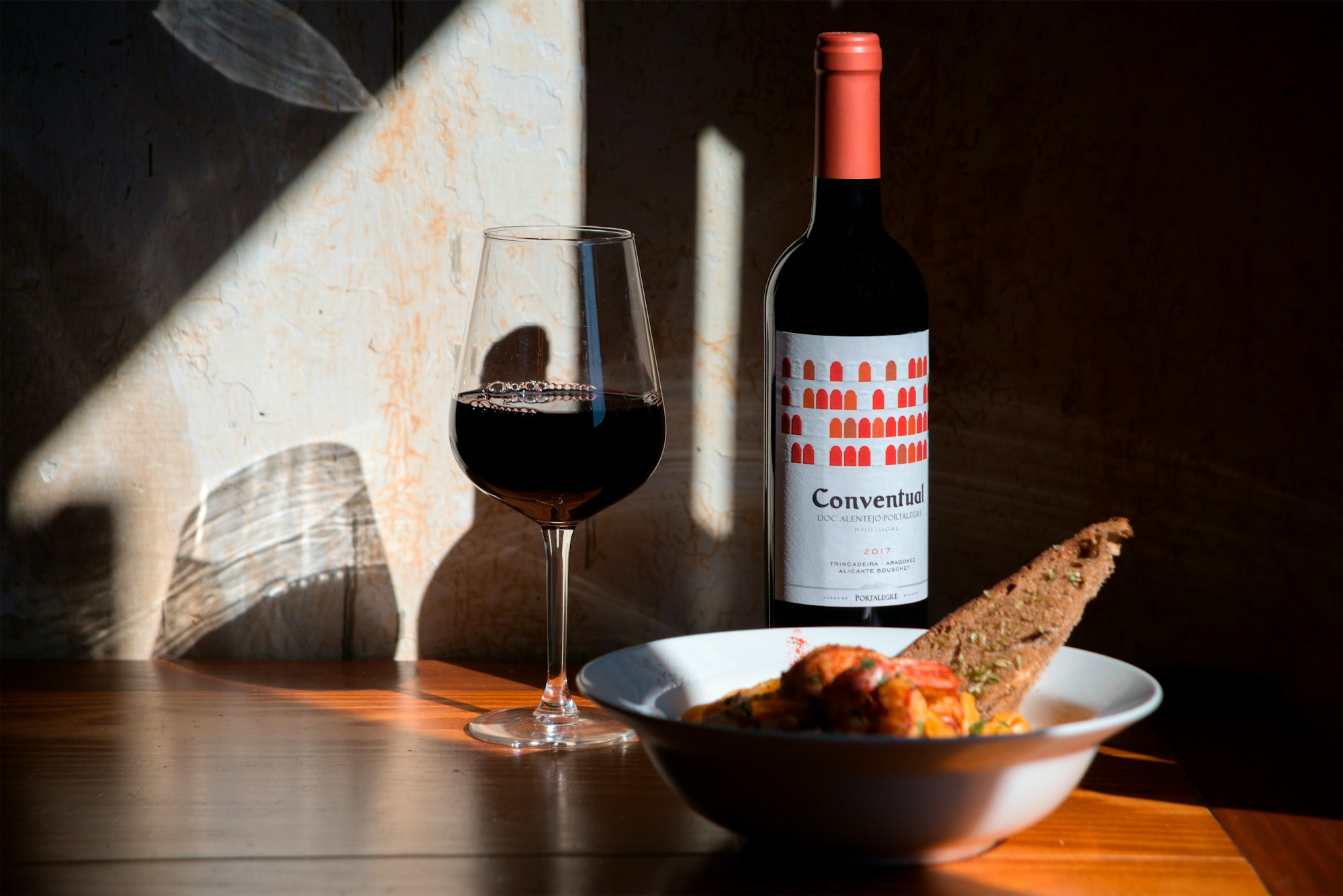
Pair the experience with the region’s tables and cellars. Bread, olive oil, wine and seasonal produce are the quiet constants of an Alentejo day, and a long lunch followed by an evening of cante makes a fitting rhythm for a slow journey through Serpa, Évora or the surrounding plains. Programs and dates change, so please confirm any performance details locally before planning your visit.
Related reading: Fado in Lisbon and Évora Travel Guide.