A table tells you a great deal about a culture before a single dish arrives. The plate, the cup and the weight of the porcelain in your hand all belong to the meal. In Portugal, one name has long been associated with that quiet art: Vista Alegre, a porcelain house in Ílhavo, near Aveiro, whose story begins in 1824. For travelers who care about craft as much as cuisine, a visit offers a rare chance to see how the Portuguese table is made.
A House Built Beside the Estuary
The Vista Alegre factory was built in 1824 beside the Aveiro estuary, close to supplies of china clay, sand and imported coal. Geography shaped the enterprise: a craft that depends on fine raw materials and reliable fuel needs a site that can offer both, and this stretch of the Portuguese coast did. Over the following decades the factory became known for the quality of its design and decoration, and it grew into a name that many Portuguese households and restaurants recognize.
The story begins slightly earlier than the date on the gate. The founder, Pinto Basto, acquired the Quinta da Ermida mansion near Ílhavo in 1815, and in 1824 King D. João VI granted the patent that authorized the factory to operate, together with the graces, privileges and exceptions enjoyed by the national factories. About five years later, in recognition of its artistic and industrial success, the house received the title of Royal Factory. The surrounding region offered fuel, clay, fine white sands and crystallized pebbles, precisely the materials that porcelain and glass demand.
The setting still carries that sense of purpose. This is not a museum built around an abandoned industry but a place where the story and the craft continue side by side, which gives a visit an unusual warmth.
Inside the Vista Alegre Museum

The collection holds more than 30,000 pieces, including glassware, experimental wares made between 1824 and 1834, and porcelain produced from 1835 onward. Alongside the objects are design drawings, paintings, photographs of factory life, and tools and equipment. The exhibitions trace the history of the house, the stylistic development of porcelain, and its place in Portuguese society during the 19th and 20th centuries. It is a thoughtful way to understand how everyday ceremony, from the family Sunday lunch to the formal dinner, found its form.
The history of the house is also a history of taste. The factory intensified its work and concentrated on perfecting porcelain from 1832, and a painting school was developed with the contribution of the foreign artist Victor C. Rousseau. The late nineteenth century is remembered as a golden period for the house, marked by gold decoration, landscape motifs and delicately painted flowers. Looking at pieces from different decades side by side, you can follow how the idea of an elegant table has changed over time.
Workshops, a Chapel and a Factory Village
Beyond the galleries, visitors can see the hand-painting workshops, where the human touch behind each decorated piece becomes visible. There is also a chapel dedicated to Nossa Senhora da Penha de França, built at the end of the 17th century, which predates the factory and gives the site an older layer of history.
The factory village, founded in 1824 together with the works, includes housing, a theater and a school. It is a gentle reminder that craft in Portugal has often been about community as well as product: a place where people lived, learned and gathered around a shared trade.
Planning Your Visit
The site is at Ílhavo, a short journey from Aveiro, and fits naturally into a day that also includes the canals of the city and the striped houses of Costa Nova. A visit of about two hours is recommended. Guided tours last around 45 minutes and are optional, which suits travelers who prefer to explore at their own rhythm. Admission is charged, and the museum has a cafeteria and a shop for gifts and books.
Opening hours have been published as daily from 10 a.m. to 7:30 p.m. from May to September, and daily from 10 a.m. to 7 p.m. from October to April. Because hours and tours can change, please confirm details directly with the museum before you go.
Aveiro rewards the extra time. Its canals were completed in 1808, its moliceiro boats once gathered seagrass for fertilizer and now carry visitors along the lagoon, and its Art Nouveau buildings, often decorated with tiles, give the city a distinctive profile. The local sweet shops offer ovos moles, delicate egg-based confections that hold Protected Geographical Indication status, a fitting final note after a day spent with porcelain.
Why Craft Belongs in a Food Journey
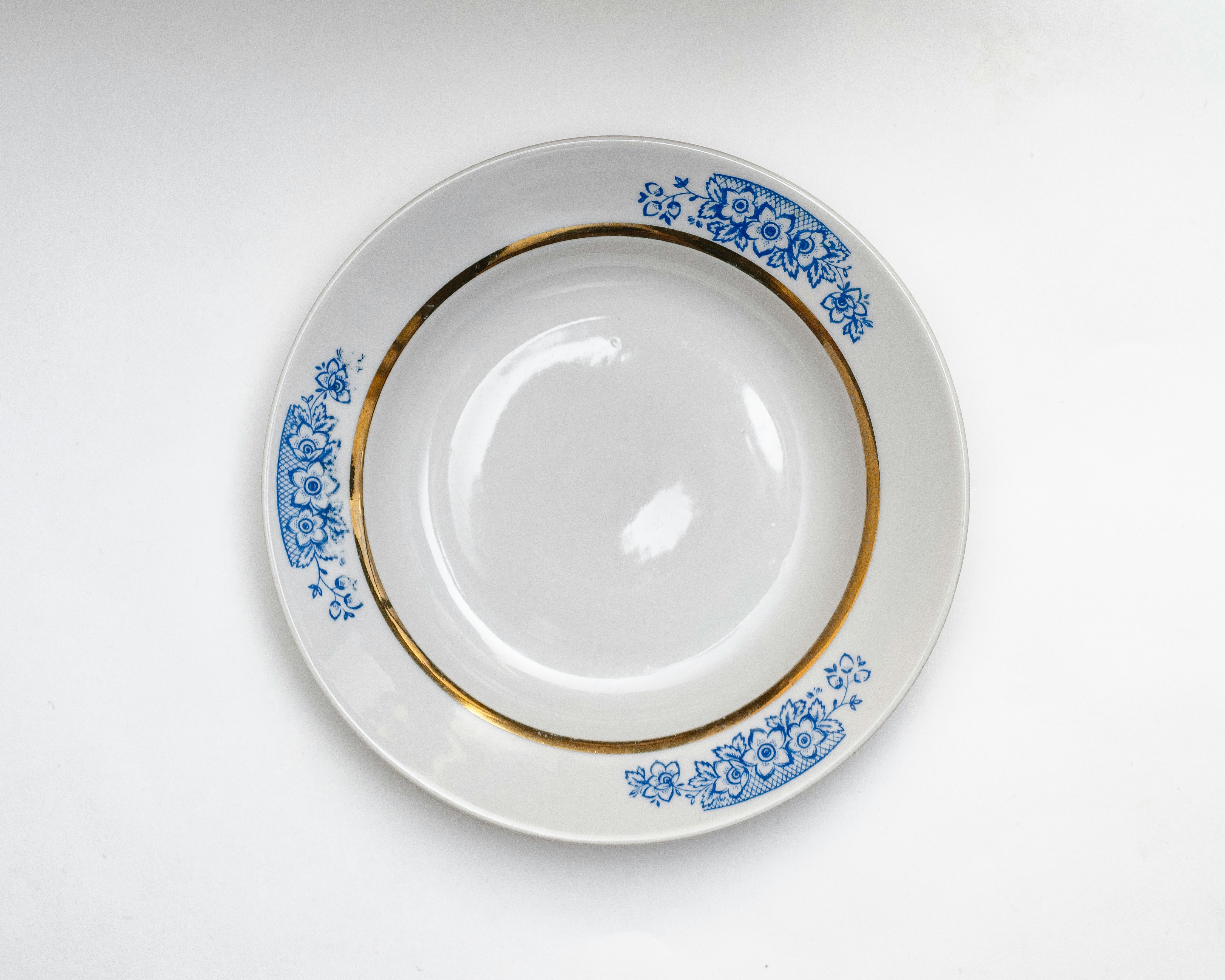
Portuguese cooking is celebrated for its honesty: salt cod, grilled fish, cheese, bread, olive oil and wine, served without fuss. What elevates those simple things is often the setting in which they arrive. A visit to Vista Alegre invites you to look at the table differently, to notice the glaze, the rim, the hand-painted detail, and to see a plate as the final work of many careful hands.
Leave time afterward for a slow lunch in the region, ideally somewhere that takes pride in how it serves as well as what it serves. The experience tends to make every meal that follows feel a little more considered.