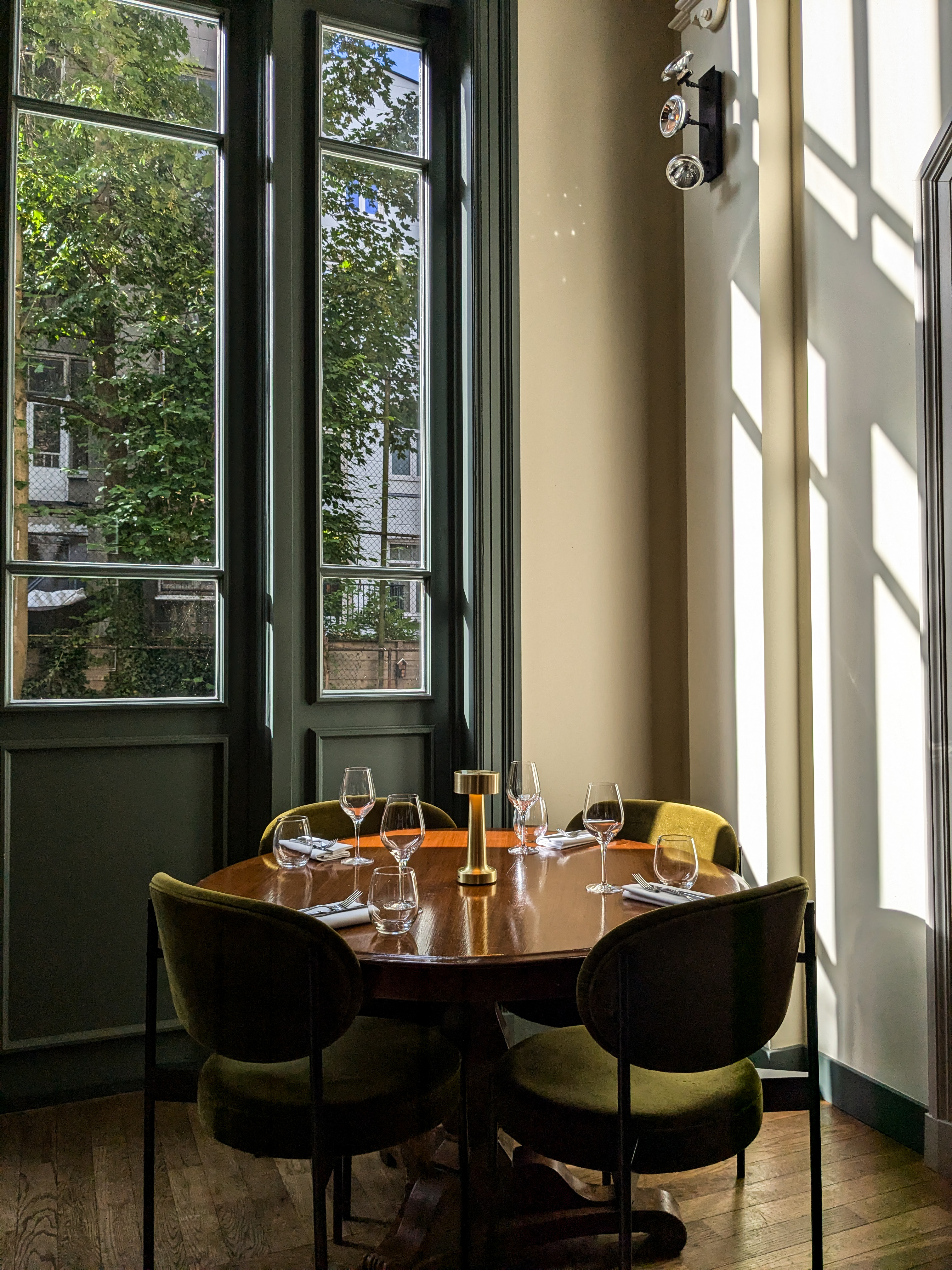
The modern dining room has become one of the most expressive spaces in hospitality. A restaurant can now communicate its identity before the first dish reaches the table, through architecture, lighting, music, materials and the rhythm of the room itself.
For premium restaurants, this creates an interesting challenge. The experience needs to feel distinctive without becoming overly designed. The most successful dining rooms understand that atmosphere should support the food rather than compete with it.
Designing a Sense of Place
Natural materials, considered lighting and a strong relationship with the surrounding destination can give a restaurant a sense of identity. A dining room in a historic city should not necessarily look like one in a contemporary resort. Context matters.
This is where hospitality storytelling becomes particularly valuable. The details of a restaurant can become part of its editorial language, from the origin of ingredients to the visual identity of the menu and the way the team introduces each course.
Consider how much a single material can say. Warm wood suggests intimacy and craft. Stone speaks of permanence and calm. Linen and ceramics soften a room and make it feel lived in, while a single bold element, such as a long bar or an open kitchen, gives the eye somewhere to rest. When these choices echo the region outside the window, whether through local timber, regional pottery or a palette drawn from the landscape, the room begins to feel inevitable rather than imported.
The Quiet Architecture of Sound and Light
Two of the most powerful tools in a dining room are also the least visible. Light determines how food looks and how guests look to each other. Low, warm pools of light over each table create intimacy, while softer ambient light keeps the room from feeling dark. A good designer layers these sources so that the mood can shift gracefully from lunch to late evening.
Sound matters just as much. A room that is beautiful but loud tires its guests, and a room that is too silent can feel stiff. Upholstered banquettes, curtains, textured walls and generous spacing between tables all absorb noise, allowing conversation to flow at an easy pitch. Music, when it is used, works best as a quiet pulse beneath the evening, never as the main event.
Beyond the Photograph
Restaurants are also increasingly judged through images before guests ever arrive. A beautifully photographed dining room can create curiosity, but the strongest visual identities go further. They create recognition.
A particular color, a distinctive table setting, a dramatic bar, an architectural detail or a recurring visual motif can become associated with the restaurant itself. Consistency gives the brand a memory.
The Choreography of Service
A dining room is also a stage for people. The way a host greets a guest, the pace at which plates arrive, the quiet clearing of a table and the confident explanation of a dish all shape how a room feels. The best teams move with a kind of understated choreography, present when needed and invisible when not. Guests may not remember each gesture, but they remember the sense of being looked after.
The layout supports this. Clear sight lines allow staff to notice a raised glass, comfortable aisles let them move without disturbing a table, and a considered position for the kitchen pass keeps the rhythm of service steady. These are practical decisions, yet they contribute as much to the atmosphere as any piece of art on the wall.
The Experience Is the Story
Ultimately, the modern dining room works best when every element feels connected. Food, service, design and communication should tell the same story without repeating themselves.
That is the difference between a restaurant that photographs beautifully and one that becomes genuinely memorable. The image invites the guest in. The experience gives them a reason to return.
Related reading: The New Language of Luxury Hospitality and Italy in the Tropics: Southeast Asia’s Most Elegant Italian Tables.