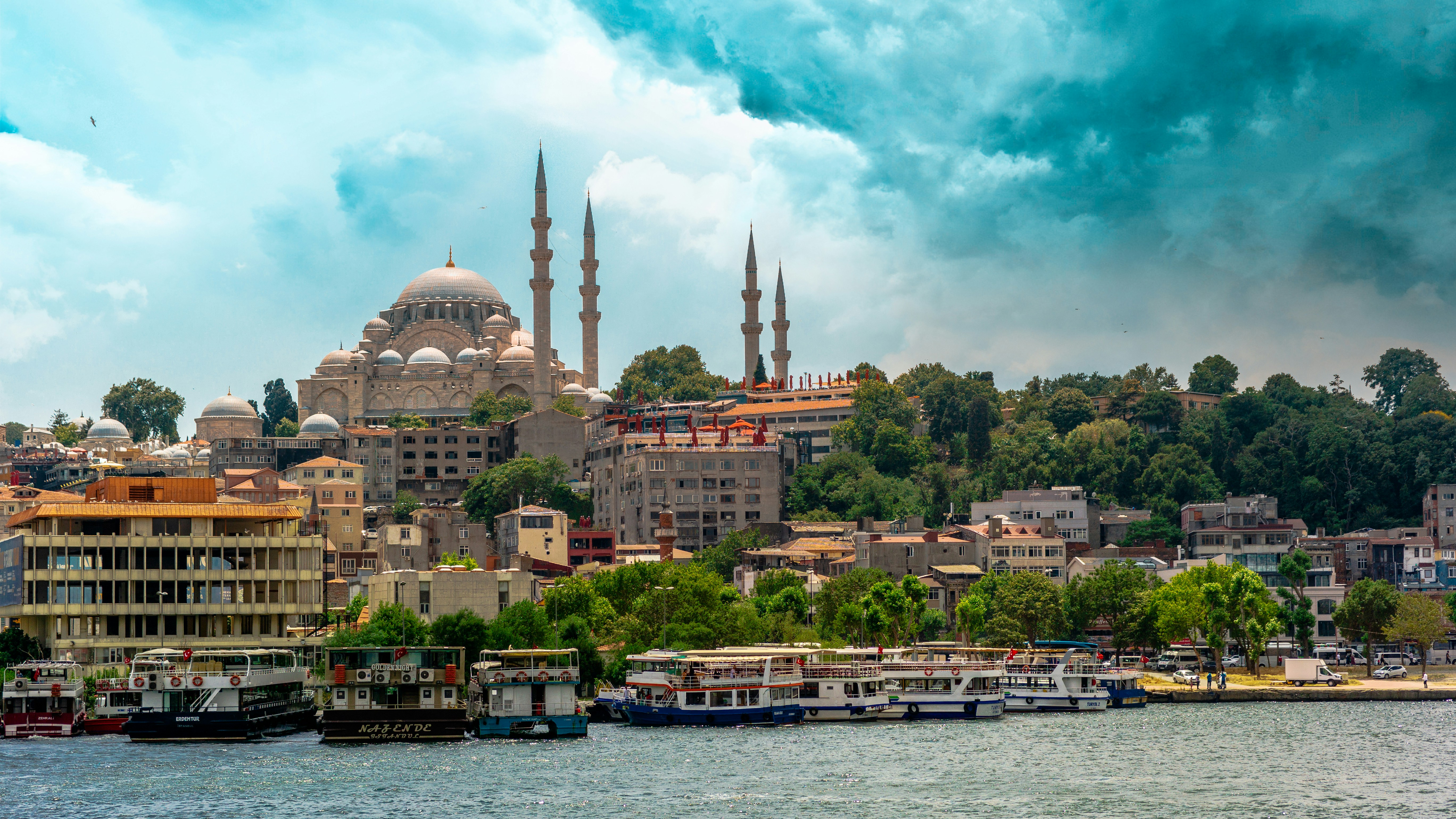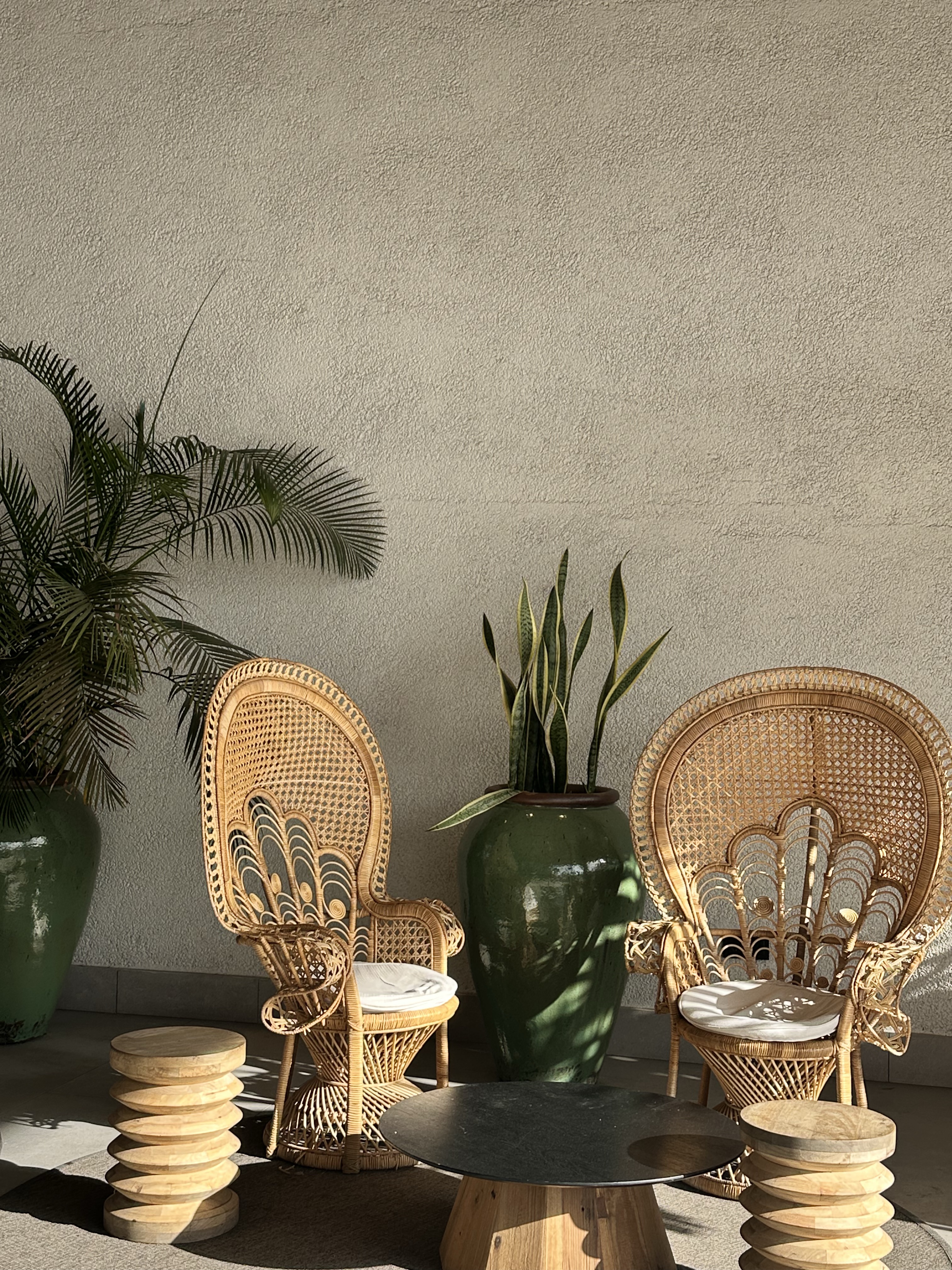
Luxury hospitality is changing. The grand gestures remain, but the definition of what feels exceptional has become more nuanced. Today, the most memorable properties understand that luxury is not simply about what a guest sees. It is about how a place makes them feel.
Across the world, hotels and resorts are moving towards a more considered visual language. Interiors feel residential rather than formal. Materials are tactile. Restaurants are designed as destinations in their own right. Even the smallest details, from the arrival experience to the way a room is lit in the evening, are treated as part of the story.
The New Definition of Arrival
The traditional luxury arrival was often theatrical. Today, restraint can be more powerful. A beautifully framed entrance, a calm reception and a sense of space can communicate confidence without demanding attention.
This shift also changes the way hospitality brands communicate. Photography has become less about showing every facility and more about creating a sense of place. A corridor, a breakfast table, a pool at dusk or a carefully composed suite can say more than a conventional catalog of amenities.
Consider the first thirty seconds of a stay. The temperature of the lobby, the scent in the air, the pace of the greeting and the way luggage is handled all form an impression before a single word about the hotel has been spoken. The most polished properties treat these moments as a choreography, rehearsed so thoroughly that it never looks rehearsed. What the guest experiences is simply ease.
Residential Warmth, Professional Precision
One of the clearest changes in recent years is the move away from formality toward warmth. Lobbies now borrow from living rooms, with lamps rather than chandeliers, books on low tables and seating arranged for conversation. Guest rooms offer layered textiles, natural wood and stone, and lighting that can be dimmed to the mood of the evening.
Warmth, however, does not mean casualness. Behind a relaxed surface sits a great deal of discipline: rooms prepared to an exacting standard, service that anticipates rather than interrupts, and teams trained to read a guest’s mood. The art lies in making precision feel personal. A guest should feel looked after, never managed.
Storytelling Becomes Part of the Experience
The strongest luxury brands understand that editorial thinking can shape the entire guest journey. The language on a website, the tone of social media, the imagery used in a campaign and the stories told by the people behind the property should feel like parts of the same world.
That is particularly important as travelers become more visually literate. They are not only choosing a room. They are choosing an atmosphere, a point of view and a feeling they want to take home with them.
Good storytelling is also specific. A property that describes the light across its courtyard at breakfast, the origin of the stone in its bathrooms or the way the staff greet regular visitors gives the reader something to picture. General praise fades quickly, whereas a precise, well-observed detail is remembered, and it is often the detail that persuades a traveler that a place is genuine.
The Table as Part of the Welcome
Food has become one of the most expressive parts of the hospitality story. A breakfast room that serves local specialties, a bar with a point of view, or a restaurant that draws on regional ingredients can anchor a property in its setting more convincingly than any slogan. Guests increasingly want to taste where they are, and the dining room is where a hotel can show its character without saying a word about itself.
Quiet Confidence
The future of luxury hospitality may therefore belong to properties that know when to speak and when to let the experience speak for itself. Beautiful design matters. Exceptional service matters. But so does coherence.
Luxury is increasingly becoming a language of details. The brands that understand that language have an opportunity to create experiences that remain memorable long after checkout.
Related reading: The Art of the Modern Dining Room and The Rise of Considered Travel.