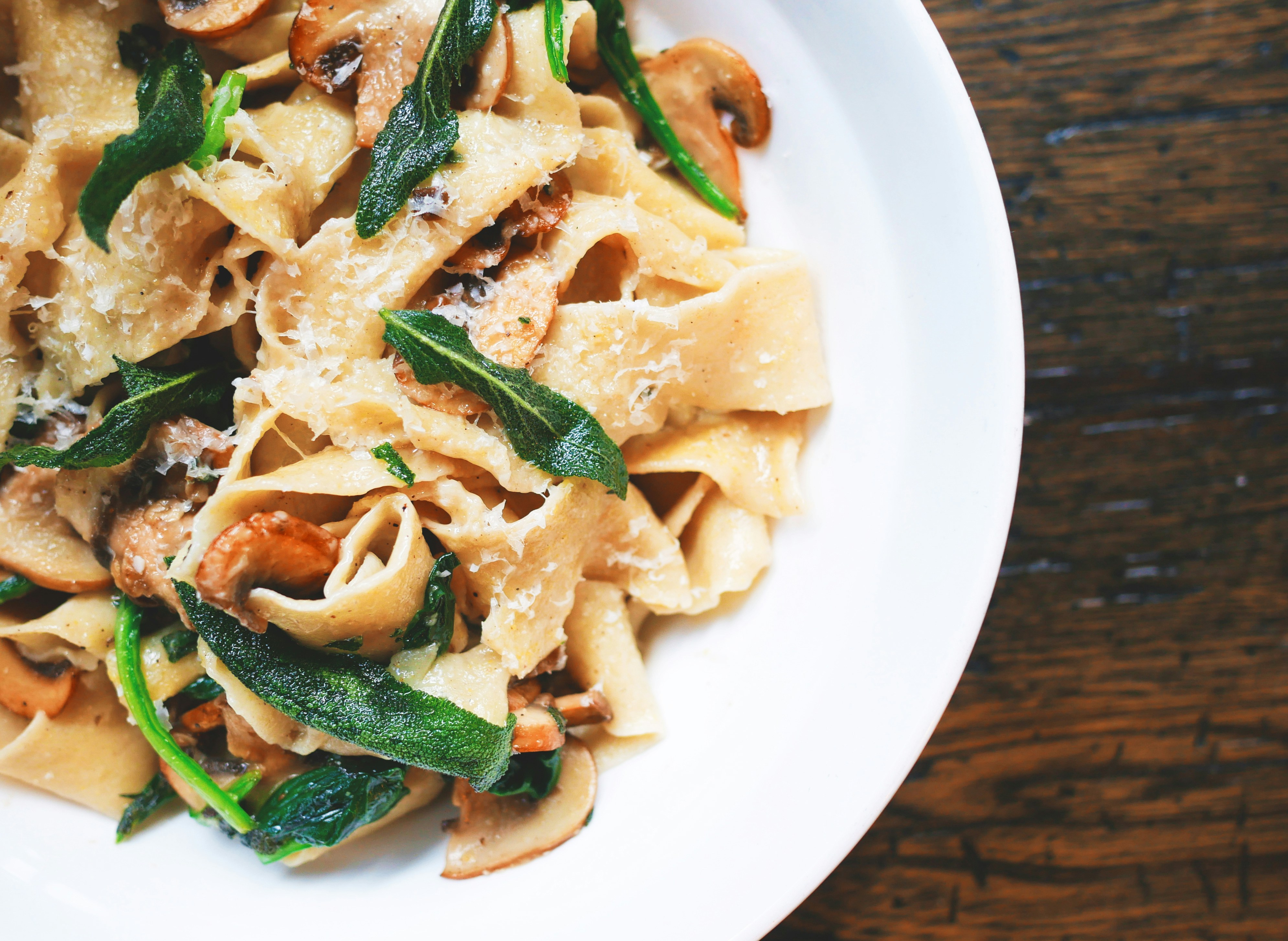
Few openings in Bangkok drew as much anticipation this year as Silo. Its official debut on 20 March followed weeks of quiet buzz, and the restaurant has been positioned as one of the city’s most exciting new tables of 2026.
A Room Lit for Conversation
Warm lighting falls across rich wooden interiors, creating a dining room that feels intimate yet refined. The design balances modern style with a relaxed kind of sophistication, so the space suits a long dinner as easily as a special occasion.
Wood is one of the oldest materials in hospitality, and it does something that glass and steel cannot: it absorbs sound and warms the light. In a city as energetic as Bangkok, a room that softens the edges of the evening is a gift, and it lets conversation, rather than noise, set the tone for the meal.
Global Technique, Asian Accents
The kitchen combines techniques from around the world with subtle Asian influences, reimagining familiar classics along the way. The result is food that is elegant, bold and memorable, with precision and creativity running through the menu.
Softshell crab arrives delicately crisp, paired with a smooth crab emulsion that brings out the natural sweetness of the shellfish. Leek is served with romesco, labneh and pistachio, a combination of smoky, creamy and nutty notes that turns a humble vegetable into a highlight. The beef tartare uses Wagyu tenderloin, finished with smoked mussel aioli and crisp miso chips for texture and depth.
The pantry behind those plates is a well-traveled one. Romesco is the classic Catalan sauce built on roasted peppers, tomatoes and nuts, while labneh is yogurt strained until thick and tangy. Miso brings the savory depth of fermentation from Japan. Seeing them together on one menu is a reminder of how freely modern kitchens now borrow from every region, and how much skill it takes to make the borrowing feel natural rather than scattered.
Main Course and a Surprising Finish
The baby chicken is paired with mbongo tchobi, squid ink and Lao Gan Ma, a daring line-up that shows the kitchen’s confidence with big flavors. Dessert follows the same spirit: a sticky toffee pudding made with a soft date sponge and airy chantilly cream, lifted by a subtle mushroom garum that adds a savory edge.
Each of those names carries a story of its own. Mbongo tchobi is a dark, spiced stew from Cameroon, and Lao Gan Ma is a well-known Chinese chili crisp, so this single plate crosses continents before it reaches the table. Garum, meanwhile, is a fermented fish sauce prized in ancient Rome, here reimagined with mushrooms to bring a deep, savory note to a dessert. Sticky toffee pudding itself is a beloved English classic, and the date sponge gives it a natural, caramel-like richness that the garum sharpens rather than overwhelms.
How to Enjoy a Menu Like This
A menu built around contrast rewards a slow approach. Order a few plates to share so that you can taste the crisp, the smoky and the creamy side by side, and leave room for the dessert, which is the course most likely to start a conversation. Newly opened restaurants also tend to refine their menus in the first months, so it is worth asking the team what is being cooked now and which dishes they are proudest of.
For travelers, a table like this is a welcome change of pace from the street food and traditional Thai dining that most visitors come to Bangkok for. It shows a different side of the city, one that is confident, curious and comfortable looking outward, and that makes it a useful chapter in any itinerary built around eating well.
What defines Silo is the way these elements fit together. Every plate is built on confident flavor combinations rather than excess, which makes the restaurant a compelling addition to Bangkok’s dining scene and a name worth knowing for anyone planning a table in the city.