Few dishes are as closely tied to a single city as the francesinha is to Porto. It arrives at the table as a small tower of bread, meat and cheese, bathed in a hot sauce and often crowned with an egg. To a first-time visitor it can look like a challenge. To the people of Porto it is a comfort, a ritual and a point of civic pride. This guide to the francesinha explains where it comes from and how to approach it with curiosity.
A Sandwich With a French Name and a Porto Soul
The word francesinha means “little French woman,” and the dish is generally understood to take its inspiration from the French croque monsieur. According to the heritage record of the restaurant A Regaleira, the sandwich was created in Porto in the 1950s by Daniel David da Silva, a barman who had been invited to work at the restaurant and who later became a partner there. Behind the counter, he developed a sandwich on small, soft wheat bread, filled with roast beef and smoked meat and finished with a closely guarded hot sauce.
The record names the bread as biju, a small roll, and other published accounts place the first francesinha in 1953 and describe the original as far simpler than the generous version served today. The beer-enriched sauce, in this telling, arrived gradually over the decades as the dish evolved.
A Regaleira opened in 1934 on Rua do Bonjardim and has remained in the same family since. After a period of renovation, it reopened in 2021 a few doors along the same street, and it continues to serve the francesinha from the original recipe. It is a lovely example of how a single kitchen can leave a lasting mark on a city’s table.
The heritage record adds some detail: the restaurant was bought by António Augusto Gomes Gonçalves Passos in the years after it opened, and today his grandsons run it. It closed in 2019 for major building work and reopened in July 2021 at number 83 on the same street. A business that passes through three generations and still keeps a sandwich recipe close is, in its way, a small institution.
What Is Inside a Francesinha
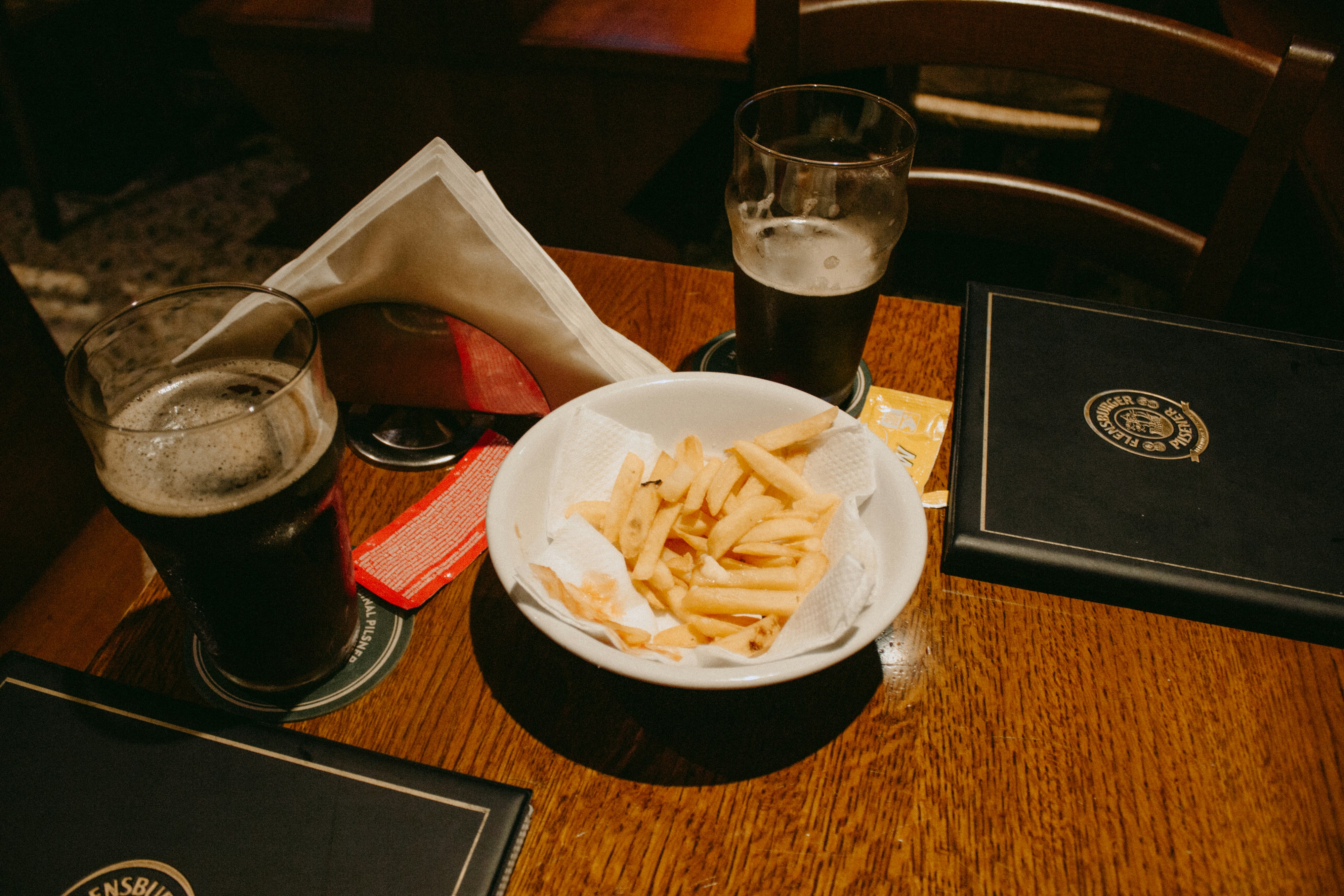
Versions differ from kitchen to kitchen, which is part of the fun. In general, a francesinha is built from sliced bread layered with cured and cooked meats, such as ham, sausage and steak. It is covered with melted cheese and then finished with a sauce that is typically tomato-based, enriched with beer and spices. A fried egg is a common addition, and fries are the usual companion on the plate.
The sausage is usually linguiça, and the whole is eaten with cutlery despite being a sandwich. Some restaurants now offer vegan versions, so that guests who avoid meat can still take part in the ritual. Longer-established houses tend to reward the curious diner more than places that cater only to passing visitors, so it is worth asking residents where they eat it themselves.
Each house keeps its sauce recipe close, and conversations about whose version suits you best are a happy pastime in Porto. Rather than searching for a single definitive answer, think of it as a regional dialect: the same language, spoken with many accents.
How to Enjoy It Like a Local
Come hungry, and plan the rest of your day around a slower pace. The francesinha is a substantial dish, and it is traditionally eaten with a knife and fork. Many people share the table with a cold beer or a glass of red wine, and some Portuguese diners add a spoonful of extra sauce to the plate for dipping the fries. If you prefer something lighter, ask whether the kitchen offers a smaller portion or a version without certain ingredients.
Lunch is the natural moment, followed by a walk along the Douro. The riverfront in Ribeira and the quiet streets near Rua do Bonjardim are good places to wander afterward, and the nearby Livraria Lello and the tiled São Bento station are within easy reach on foot.
The walk is richer for knowing what surrounds it. UNESCO inscribed the Historic Centre of Oporto, the Luiz I Bridge and the Monastery of Serra do Pilar in 1996, describing an outstanding urban landscape with a history of some two thousand years. The Romans called the settlement Portus, meaning port, and the city’s growth has always been tied to the sea. Among the landmarks UNESCO names are the cathedral with its Romanesque choir, the neoclassical Stock Exchange and the Manueline Church of Santa Clara. A slow stroll among them is the best companion to a heavy lunch.
Beyond the Sandwich: Porto’s Table
A Regaleira is also known for tripas à moda do Porto, the city’s traditional tripe dish, which says a great deal about how Porto sees itself. The people are sometimes called tripeiros, and the cooking has long been generous, warming and rooted in the household kitchen. The francesinha belongs to that same spirit of hospitality: plentiful, honest and made to be shared.
For visitors, the best approach is to treat the francesinha as an introduction to the city’s character rather than a tick on a list. Ask your host or your hotel for a recommendation, and notice how each person answers with conviction. That conviction is the real flavor of Porto.
Menus, recipes and opening hours change over time, so please confirm details with each restaurant before you visit.