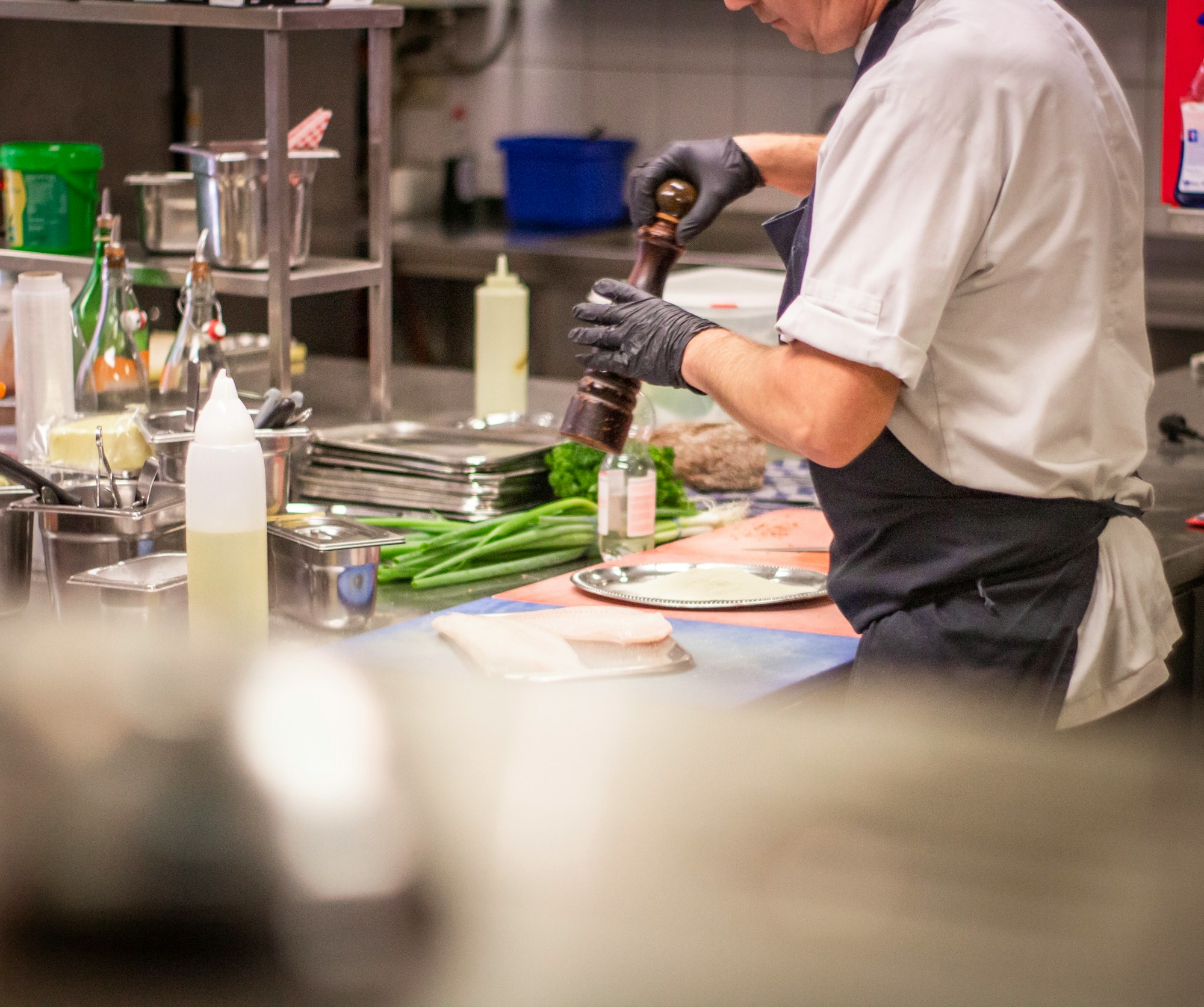
Not long ago, a hotel restaurant in Portugal was often an afterthought, a convenient place for guests to eat rather than a reason to visit. That has changed. Across the country, from Lisbon and Porto to the Douro, the Alentejo and the islands, many of the most admired hotels now place their kitchens at the center of their identity. The chef has become one of the hotel’s most important storytellers.
Why the Table Matters
Portugal’s international reputation for gastronomy has grown steadily, with a new generation of chefs earning recognition for cooking that is rooted in Portuguese ingredients and traditions while feeling distinctly contemporary. For luxury travelers, food is no longer a side note to a trip. It is often the reason for it. A hotel that offers a meaningful culinary experience gives guests a story to remember and to share, and gives the hotel a voice that no amount of marble or thread count can match.
Produce and Place
The strongest culinary identities begin with the land and sea around the hotel. Atlantic fish and shellfish, Alentejo black pork, mountain cheeses, olive oil from old groves, wild herbs, citrus from the Algarve and the remarkable variety of Portuguese wine all offer chefs a rich vocabulary. Many hotels now keep kitchen gardens, work with neighboring farmers and fishermen, or forage locally. When a menu reflects its surroundings, the meal becomes a way of understanding the place.
Beyond the Signature Restaurant
A culinary identity is not only expressed at dinner. It lives in the breakfast table, with local pastries, honey, fruit and cheeses; in the bar, with Portuguese spirits and wines; in the picnic basket prepared for a day on the coast; and in the welcome amenity waiting in the room. Cooking classes, market visits with the chef, harvest lunches and winemaker dinners invite guests behind the scenes. Every touchpoint is a chance to tell the same story with consistency and care.
The Chef as the Face of the House
Guests are drawn to people as much as places. A chef with a clear philosophy, a connection to the region and a willingness to share their story can become the most compelling face of a hotel. Interviews, behind-the-scenes content, seasonal menu launches and collaborations with visiting chefs all help build that presence. The most effective approach feels natural and generous rather than staged, allowing the chef’s personality and values to come through.
Communicating a Culinary Story
For hotels, translating a kitchen’s philosophy into communication requires care. Photography should show real dishes, real ingredients and real moments in natural light. Writing should explain the why behind the menu, not just list dishes. Seasonal storytelling, following the year from the first spring vegetables to the olive harvest and the winter table, keeps the narrative fresh and gives media and guests a reason to return. Partnerships with respected food and travel writers, rather than one-off promotions, build lasting credibility.
A Story Worth Tasting
Portugal’s luxury hotels have a remarkable advantage: a culinary heritage that is generous, honest and still relatively undiscovered by many international travelers. When a hotel builds its identity around the table, with a chef who understands the land, ingredients treated with respect and a story told with sincerity, the result is hospitality that guests feel, taste and remember long after they have gone home.