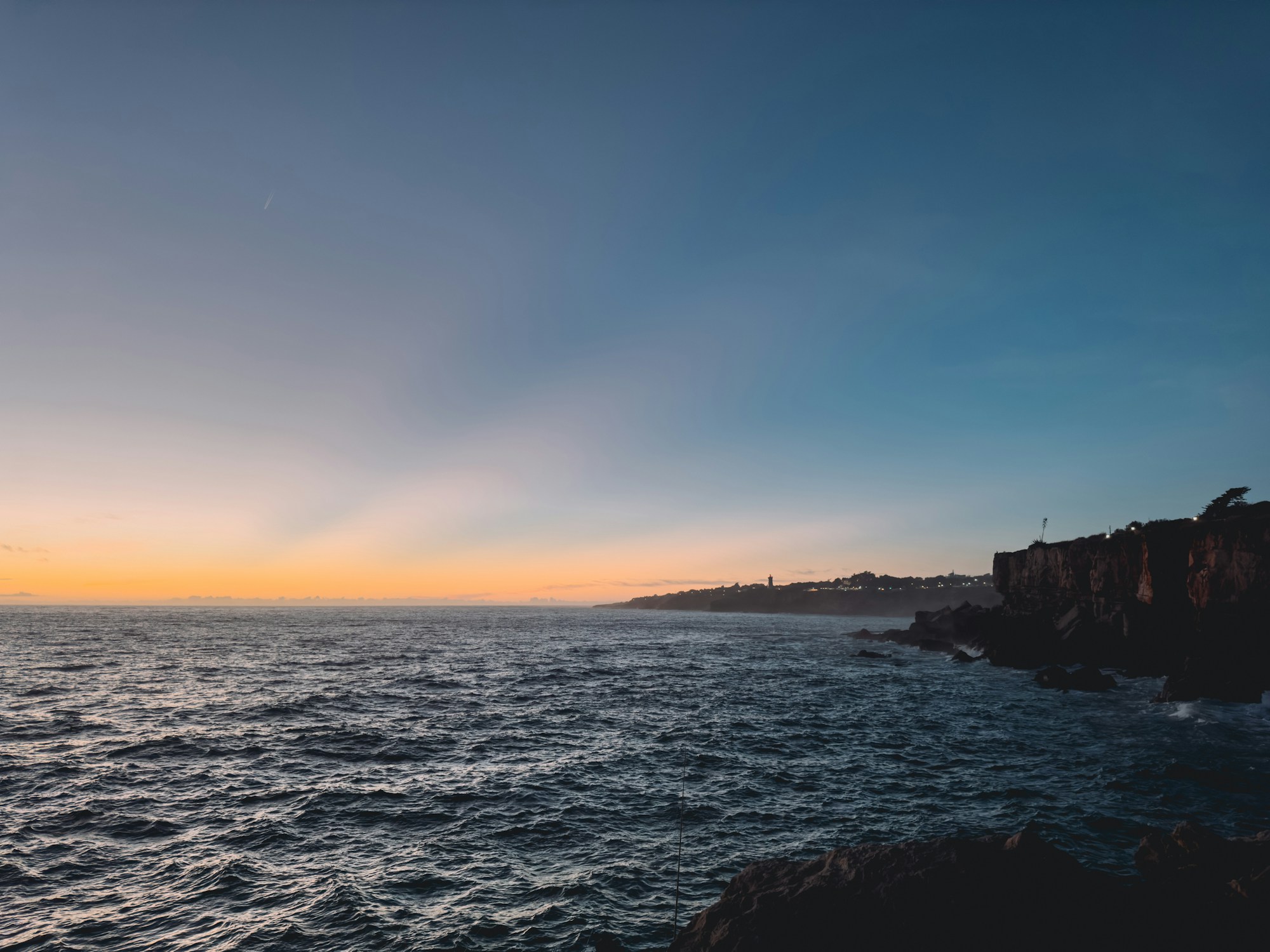
South of Lisbon, across the Tagus and beyond the limestone ridge of the Arrábida, a small wine region makes one of Portugal’s quiet classics. Moscatel de Setúbal is a fortified Muscat wine, amber in color and fragrant with orange peel, honey and flowers, and it has been appreciated for centuries without becoming as widely known as Port or Madeira. This guide explains where it comes from, how it is made, how to read the label, and how to serve it.
Where Moscatel de Setúbal comes from
The Setúbal Peninsula lies between the Tagus and Sado rivers, a short journey south of Lisbon. According to material prepared with the regional wine commission, the wine region stretches across 13 municipalities, from Almada to Sines, and covers around 8,000 hectares of vineyard. It has two denominations of origin: Setúbal, reserved for the Moscatel wines, and Palmela, which is known for reds built largely on the Castelão grape.
Geography does much of the work. Near the Arrábida mountains, clay-limestone soils and a mild maritime climate favor the aromatic, fresh style of Moscatel, while the sandier plains to the east tend to yield sweeter, more concentrated wines. The Atlantic is the reason many producers give for the wine’s lively acidity, which sets it apart from other fortified Muscats. Portugal’s fortified wines are usually listed as Port, Madeira, Carcavelos and Moscatel de Setúbal, and the last of these is the one most often described as overlooked.
Its history is long. Trade writer Leona De Pasquale reports in The Buyer that the wine was already being made in medieval times, was served at English banquets by the fourteenth century, and took a gold medal at the 1855 Paris Universal Exhibition. A poetic nickname, sun in a bottle, has followed it for generations.
Two grapes, one patient method

The method is distinctive. Fermentation on the grape skins is stopped by adding grape spirit, and the wine then macerates on the skins for at least three months, often longer. The Buyer reports that a Quinta do Piloto winemaker describes this long skin contact as a particular feature of the region. After pressing, the wine ages for a minimum of 18 months for Moscatel de Setúbal and 36 months for Moscatel Roxo. Finished wines typically fall between about 16 and 22 percent alcohol, with most on the market between 17 and 19.
Many cellars also keep what is called the mother. Barrels are never emptied completely, so a small amount of very old wine remains to join each new addition, which adds depth and continuity of style.
Reading the label and tasting by age
Age statements work differently from those on Port. On a bottle of Moscatel de Setúbal, the number refers to the youngest wine in the blend, so a ten-year-old contains nothing younger than ten years. Official age categories of 10 and 20 years were introduced in 1992, and 30 and 40 years followed in 2014. Wines older than five years can carry the term Superior.
Young Moscatel is bright and aromatic, with notes of orange and lemon, flowers and honey, lifted by acidity. With age the color deepens from pale amber toward brown, and the aromas move toward candied orange peel, toasted nuts, dried fruit and spice. Moscatel Roxo shows more body and grip, with spiced fruit notes, and its color turns tawny with time. Tasting a young bottle beside a ten-year-old is a gentle way to understand how much the wine changes.
How to serve it and what to pair
Producers suggest serving younger styles chilled, at around 10 to 12 degrees Celsius, as an aperitif. Older wines are usually served slightly warmer, from about 12 to 14 degrees, and as a dessert wine up to around 16. Once opened, a bottle is described as keeping well for a while, which makes it easy to enjoy over several evenings.
Pairings run beyond dessert. Young wines suit citrus desserts, chocolate, nuts and salty cheeses such as Azeitão, while older styles are matched with strong cheese, crème brûlée, nutty cakes and dark chocolate. Some producers encourage savory experiments, because the balance of acidity and sweetness can offset fat and salt.
Producers and visiting the peninsula
Names that appear in trade tastings and producer lists include José Maria da Fonseca in Azeitão, Bacalhôa, Casa Ermelinda Freitas, Quinta do Piloto, António Saramago, Adega de Palmela and Venâncio Costa Lima. This is a selection of houses that are widely written about, not a ranking, and many other family estates welcome visitors.
The peninsula is an easy day from Lisbon and pairs naturally with the Arrábida coast. The regional wine commission publishes information for visitors at vinhosdapeninsuladesetubal.org. Opening hours, tasting formats and visiting arrangements vary, so please confirm details directly with each producer. Please enjoy wine responsibly.