In the Spanish region of Galicia, just north of the Portuguese border, the city of Ourense is known for its thermal waters. Hot springs rise in the old town and along the Miño River, and the city has built a culture of bathing around them, with free open-air pools, riverside walks and spa resorts. For travelers drawn to Portugal’s own thermal tradition, Ourense offers a neighboring story, and it is an easy addition to a northern Iberian journey. This guide explains how to experience the thermal baths of Ourense with calm and care.
As Burgas: The Springs in the Old Town
The best-known source of hot water in the city is As Burgas, in the old town. The water here comes out at temperatures of over 60 degrees Celsius, and it flows from two fountains: the Burga de Abaixo, dating from the nineteenth century, and the Burga de Arriba, from the seventeenth. The Romans discovered the springs about 2,000 years ago and built a bathhouse nearby. A free open-air thermal pool sits on the central esplanade, which makes this an easy first stop for visitors.
The Miño Thermal Route
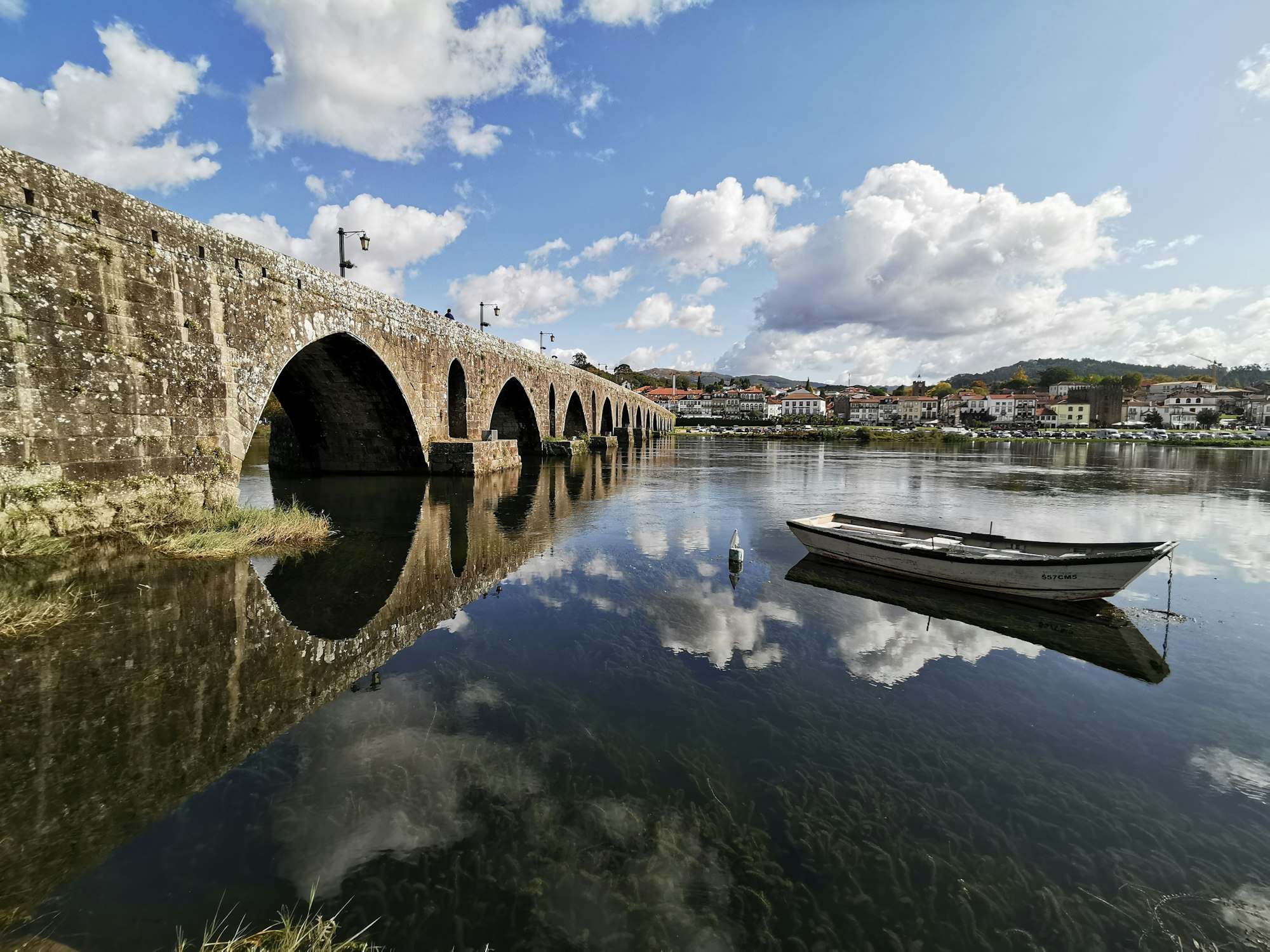
Beyond the old town, the Miño Thermal Route follows the riverbank for about five kilometers, with thermal areas of varying temperatures. The route starts a short walk from the old town, passing the Puente Mayor and the Puente del Milenio. Some areas are free and others charge admission, so it is worth checking before you set out. A thermal train leaves from Plaza Mayor and takes about thirty minutes, stopping at all the thermal areas, which is a pleasant way to see the whole route without a car.
A Chavasqueira, Outariz and Muíño da Veiga
Several sites along the route are worth knowing. A Chavasqueira is the closest to the city, with a private Japanese-inspired resort and free outdoor pools. The Outariz pools and Burga de Canedo make up the largest thermal area in the city and are free to use. Muíño da Veiga and the Outariz Thermal Resort lie further along, with beauty treatments available at Outariz. As with all thermal spaces, conditions and prices change, so please confirm them with each venue.
How to Take the Waters
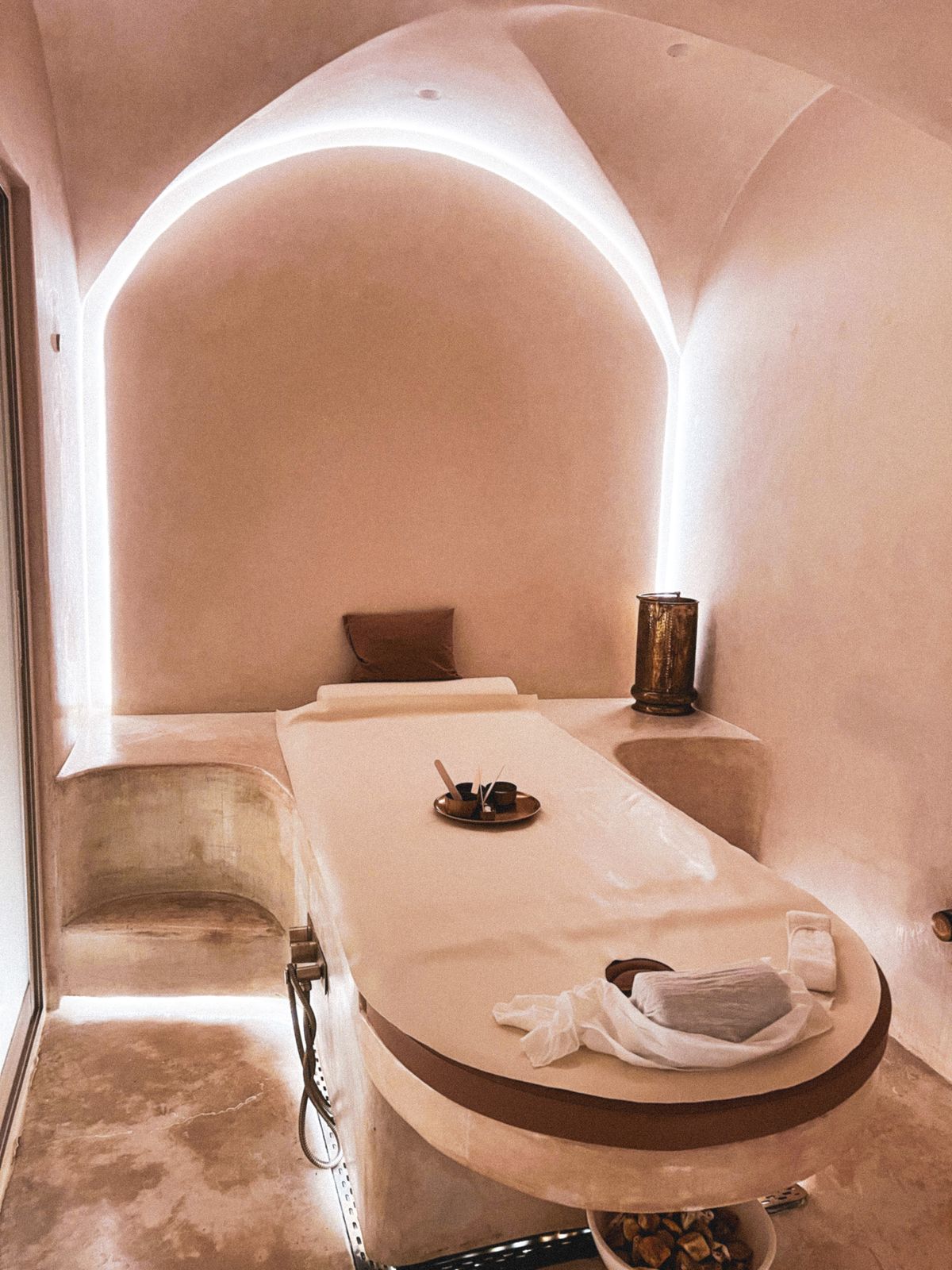
The ritual is simple. Arrive without a plan, bring a towel and sandals, and spend an hour in the water alternating with rest. Hydrate, listen to your body and leave when you feel ready. The region of Ourense has eight spas in all, so there are many ways to enjoy the water, from open-air public pools to quiet private rooms. Early mornings and weekday afternoons tend to be calmer, while weekends may be busy.
Thermal Culture on Both Sides of the Border
Thermal bathing is part of a shared Iberian heritage. Portugal’s own spa towns, from Chaves in the north to the historic spa parks of the Centro, have long welcomed visitors, and the Romans left their mark on thermal places on both sides of the frontier. Chaves, in fact, lies not far from Galicia. A thermal journey through northern Portugal and Galicia makes a restful theme for a week, with soaking, walking and slow meals.
A Slow Day in Ourense
A relaxed day might begin with coffee in the old town, followed by a stroll to As Burgas to see the hot water emerge from the fountains. Late morning is for a soak at one of the free open-air pools, and lunch can be simple. In the afternoon, take the thermal train or walk part of the riverside route, pausing at a pool when it looks inviting. Evening belongs to the old town again, with a quiet dinner and an early night. Nothing about the day needs to be rushed, and that is precisely the point of a thermal city.
Pairing Ourense with the Region
Ourense sits within reach of Galicia’s other attractions, including the cathedral city of Santiago de Compostela and the Atlantic towns of the Rías Baixas. From Ourense, travelers heading to Portugal can continue south toward the Minho, where Valença, Ponte de Lima and Braga offer their own gentle pleasures, or into the Douro region. The combination of water, wine and heritage is deeply restorative.
What to Eat and Drink
After the baths, Galicia’s table is a pleasure. Expect seafood, hearty stews, cured meats and the local white wines of the region, and plan a late lunch to follow a morning soak. In Portugal, the equivalent might be a bowl of caldo verde and a glass of vinho verde. Either way, a simple meal and a little rest complete the thermal ritual.
Planning Your Visit
Choose a calm season for a more relaxed visit: spring and autumn are comfortable, while winter makes the steam particularly atmospheric. Pack light clothing, a robe and flat shoes, and keep a flexible schedule. This article is for general interest only and is not medical advice. If you have a health condition or are unsure whether thermal bathing is suitable for you, please consult a qualified professional, and confirm opening hours, access and charges with each venue before you go.