The most graceful way to understand how closely Spain and Portugal are linked is to travel overland from one to the other. This seven-day itinerary begins in Madrid, passes through the university city of Salamanca, crosses into Portugal’s wine country along the Douro, and ends in Porto. It suits travelers who enjoy culture, architecture and a very good glass of wine, and who like to arrive at their destination with a sense of the journey behind it.
Days One and Two: Madrid
Start in the Spanish capital with an orientation of its grand avenues, its museums and its palace. A private driver can make a day trip to El Escorial, the monastery and royal palace in the hills outside the city, an easy excursion that shows another side of Spain’s history. Madrid is a city of late dinners and long evenings, so allow the first day to be gentle: a walk, a good lunch, an early rest and a late table.
Day Three: Salamanca
Travel northwest to Salamanca, a city whose sandstone buildings glow in the afternoon light. It is home to the oldest university in Spain, and a walking tour reveals a mix of architectural styles gathered in a compact historic center. Salamanca is best enjoyed on foot, at an unhurried pace, with a stop in a café or tapas bar. It is also a natural final Spanish stop, a place where the grandeur of Castile feels both scholarly and warm.
Day Four: Crossing into Portugal
From Salamanca, the road leads into Portugal and the interior Beiras. A worthwhile stop is Belmonte, a small hilltop town noted for its Jewish heritage, where a community survived through the centuries of the Inquisition. It is a quiet, thoughtful visit, and a reminder of how deep the layers of Iberian history run. Continue toward the Upper Douro, where the landscape begins to terrace itself into vineyards.
Days Four and Five: The Upper Douro
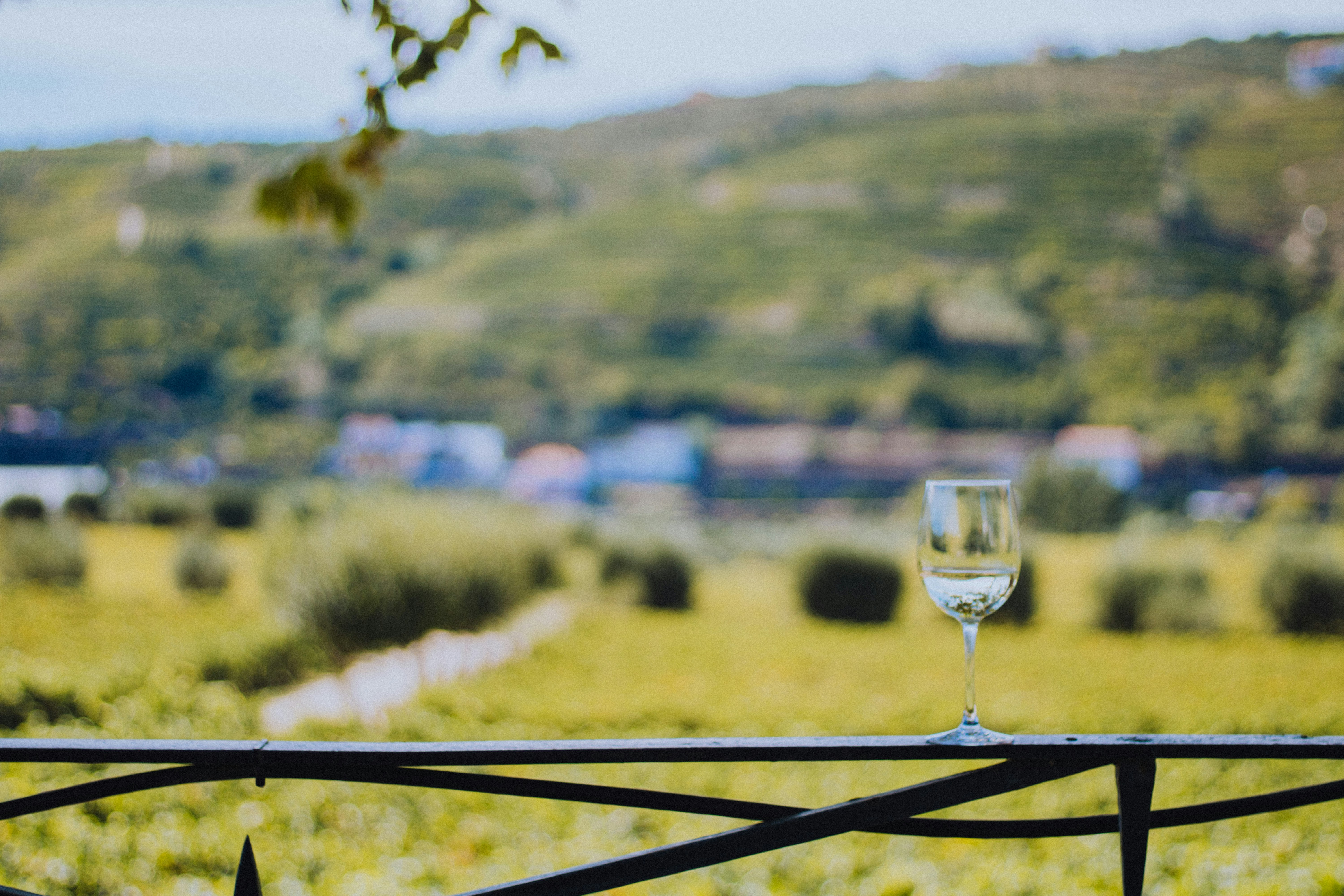
The Douro Valley is one of the oldest demarcated wine regions in the world and a UNESCO World Heritage landscape, with steep terraces of vines above a winding river. A stay in a hotel in the Marialva area allows for a spa afternoon and a slow evening. Nearby, the Côa Valley holds prehistoric rock art, which can be visited in the evening followed by a picnic dinner, an unusual and memorable way to spend a Portuguese night.
Day Six: The Lower Douro and Porto
As the river flows west, the valley softens. A tasting and lunch at a wine estate in the lower Douro makes a leisurely lead-in to Porto. Arrive in the city in the afternoon, check in, and spend the evening by the river in Ribeira, watching the lights on the water.
Day Seven: Porto
Porto repays unhurried exploration. Visit Livraria Lello, the famous bookshop, and São Bento station, whose great hall is covered in blue and white azulejo panels. Cross the river to Vila Nova de Gaia, where the port wine lodges offer tastings in cellars beside the water. For a final evening, book a table in Ribeira, and perhaps order a glass of tawny to end the trip.
Where to Eat and Drink
Across the route, meals tell the story of the border. In Madrid and Salamanca, expect tapas, cured ham, roasted meats and regional wines from Castile and León. Once in the Douro, the table turns to grilled fish, roasted kid, local cheeses and wines from the terraced estates, finished with a glass of port. In Porto, the cooking embraces salt cod, tripe and a famous sandwich, the francesinha, and a glass of Douro red is rarely far away. A cooking class in the countryside near Porto, making a traditional Portuguese country meal, is a pleasing way to put a final touch on the week.
A Note on Timing
Autumn brings the Douro harvest, when estates are busiest and the hillsides turn gold and red, while spring brings green terraces and soft light. Summer can be very warm in the valley, so travelers often schedule vineyard visits for the mornings and keep afternoons for a pool, a spa or a long lunch.
Why This Route Works
The journey moves from city to university town to border country to river valley to coast, with a clear change of mood at each stop. Spanish and Portuguese hospitality share a love of long meals and warm welcomes, and travelers will notice how the food shifts from jamón and tortilla to bacalhau and Douro reds. Autumn is especially beautiful along the Douro during the harvest, while spring is gentle across Castile.
Planning Notes
Seven days allows a satisfying pace, though an extra night in the Douro is a worthwhile addition. Private transfers or a chauffeur make the longer drives restful. As with all travel, opening hours and availability change, so please confirm details with each hotel, estate and venue before you go. The route is simple to remember: Madrid for grandeur, Salamanca for learning, the Douro for landscape, and Porto for a graceful finale.