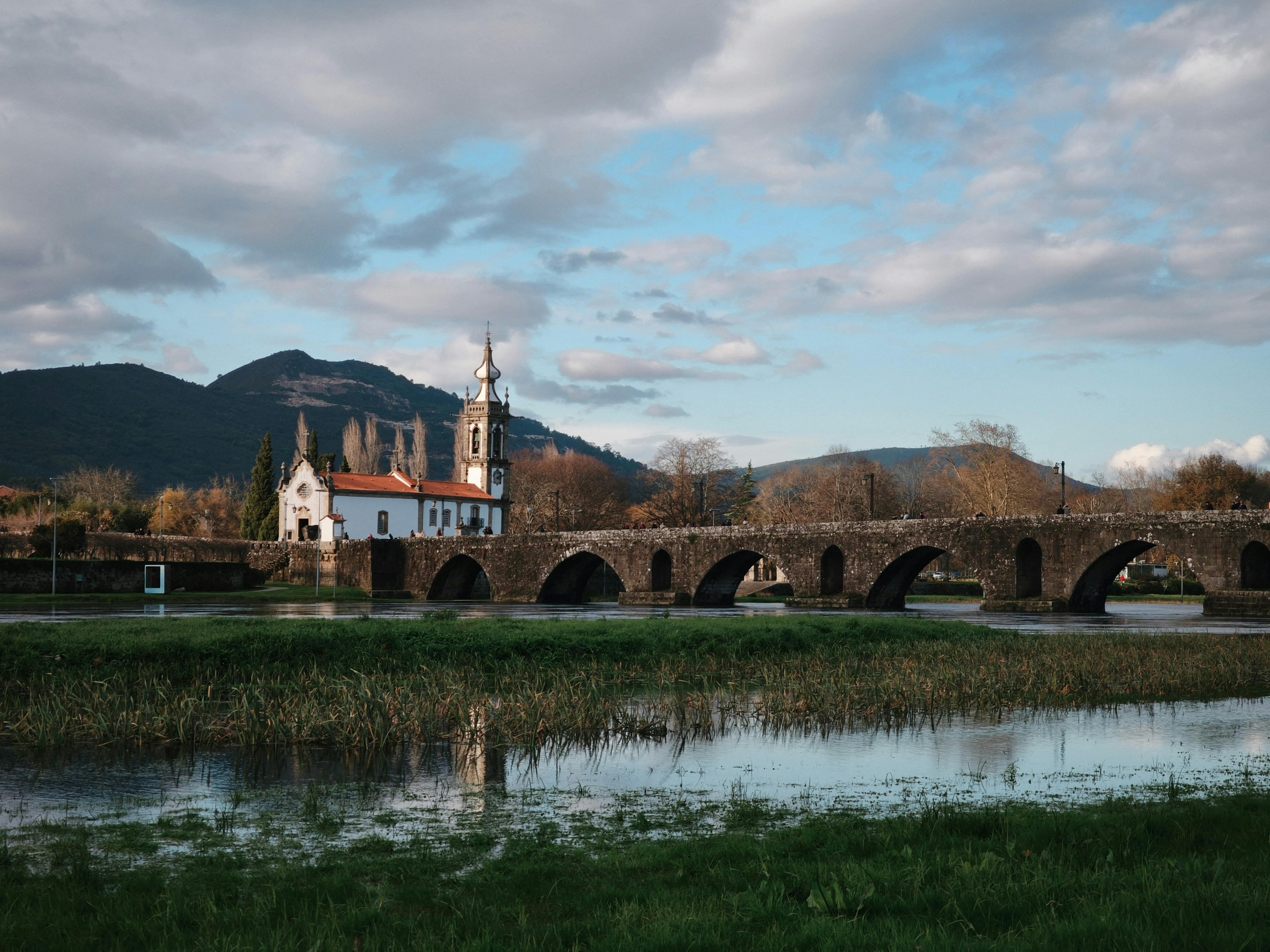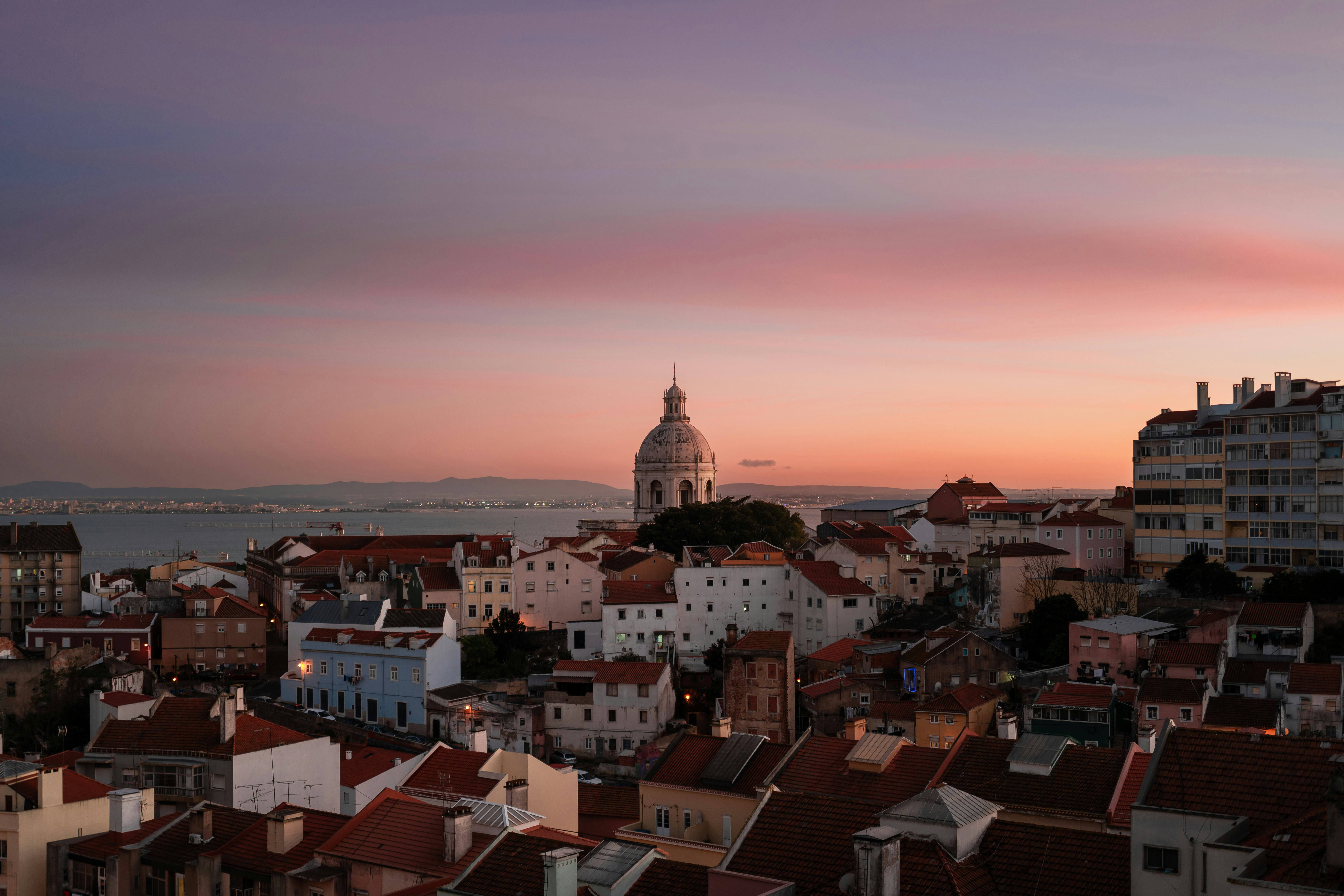
Every luxury hotel in Portugal stands somewhere specific. It might be a street in Lisbon that has changed little in generations, a hillside above the Douro, a village on the Alentejo plain or a harbor in the islands. The most memorable properties understand this and treat the neighborhood not as a backdrop but as a collaborator. They belong to their place, and guests can feel it. For hospitality brands seeking to tell their story with elegance, the question of belonging is one of the most valuable they can ask: how does this house become part of the community around it, and how does that belonging shape what it says to the world?
Why Belonging Is Part of the Story
International guests increasingly look for stays that feel rooted rather than generic. They want to know where the bread comes from, who painted the tiles, which café the staff recommend and why. A hotel that answers these questions with quiet confidence earns trust long before a guest arrives. That trust cannot be manufactured through adjectives. It grows from real relationships with the street, the bakery, the craftspeople and the families who have lived nearby for years. Portugal, with its strong sense of local identity, is a particularly generous setting for this kind of narrative.
The Small Details Guests Remember
Belonging is often expressed in details so small they might escape a brochure. A breakfast table that features a regional cheese. A concierge who knows which viewpoint is best at a particular hour. A restaurant that sets its menu by the season rather than by habit. Each of these gestures tells the guest that the house understands where it is. When an editorial voice describes these details with care, without exaggeration, it gives travelers a picture of what the stay will feel like, and gives the brand a reputation built on specifics rather than slogans.
Seasons and Rhythm
A place changes through the year, and a house that belongs to it changes too. In the Douro, the rhythm of the vineyards sets the mood of autumn. In the Algarve, the coast quiets after summer and offers a different kind of beauty. In Lisbon, winter light falls differently across the rooftops. Hospitality brands that notice these shifts and describe them with sincerity give guests a reason to imagine visiting at any time of year. This is not a matter of promotion but of attention, and attention is one of the most elegant qualities a brand can show.
Respect as a Communication Principle
Communicating about a neighborhood requires respect, and respect is a form of craft. It means describing local traditions accurately, crediting the artisans and producers who contribute to the guest experience, and avoiding the temptation to reduce a living community to a decorative image. It also means listening: the people who live around a hotel often know the place better than anyone, and their perspective can enrich the way the house speaks. Brands that approach communication this way tend to sound calmer, more confident and more durable.
Neighbors Are Also an Audience
A hotel’s story is read not only by international guests but by the people nearby. Residents, local businesses and regional press all form impressions of a house, and those impressions travel. A property that is spoken of warmly in its own town carries a kind of credibility that no campaign can purchase. Over time, the warmth of a neighborhood and the warmth of a house become difficult to tell apart, and that is precisely the effect that thoughtful hospitality hopes to achieve. For this reason, thoughtful communication begins at home, with the language, tone and courtesy a brand uses locally, and extends outward to the international audience that follows.
An Editorial Approach to Place
At Feast & Travel Media, a Portuguese media house and communications agency, the work begins with the same principle: a brand’s story is richer when it is anchored in place. Editorial storytelling, with its patience and attention to detail, is well suited to this task, because it allows a house to be described as it truly is, in the setting where it truly stands. This approach favors calm, accurate and graceful language over noise, and it tends to serve hospitality brands well over time.
Rooted, Not Rushed
The most enduring luxury hospitality stories in Portugal are rarely rushed. They develop over seasons, shaped by the rhythm of the place and the relationships a house builds around it. A hotel that invests in belonging gains something that cannot be copied: a story that is genuinely its own. For brands considering how to speak about their place with care, an unhurried conversation is often the best place to begin, and our inquiry form is always open for one.