
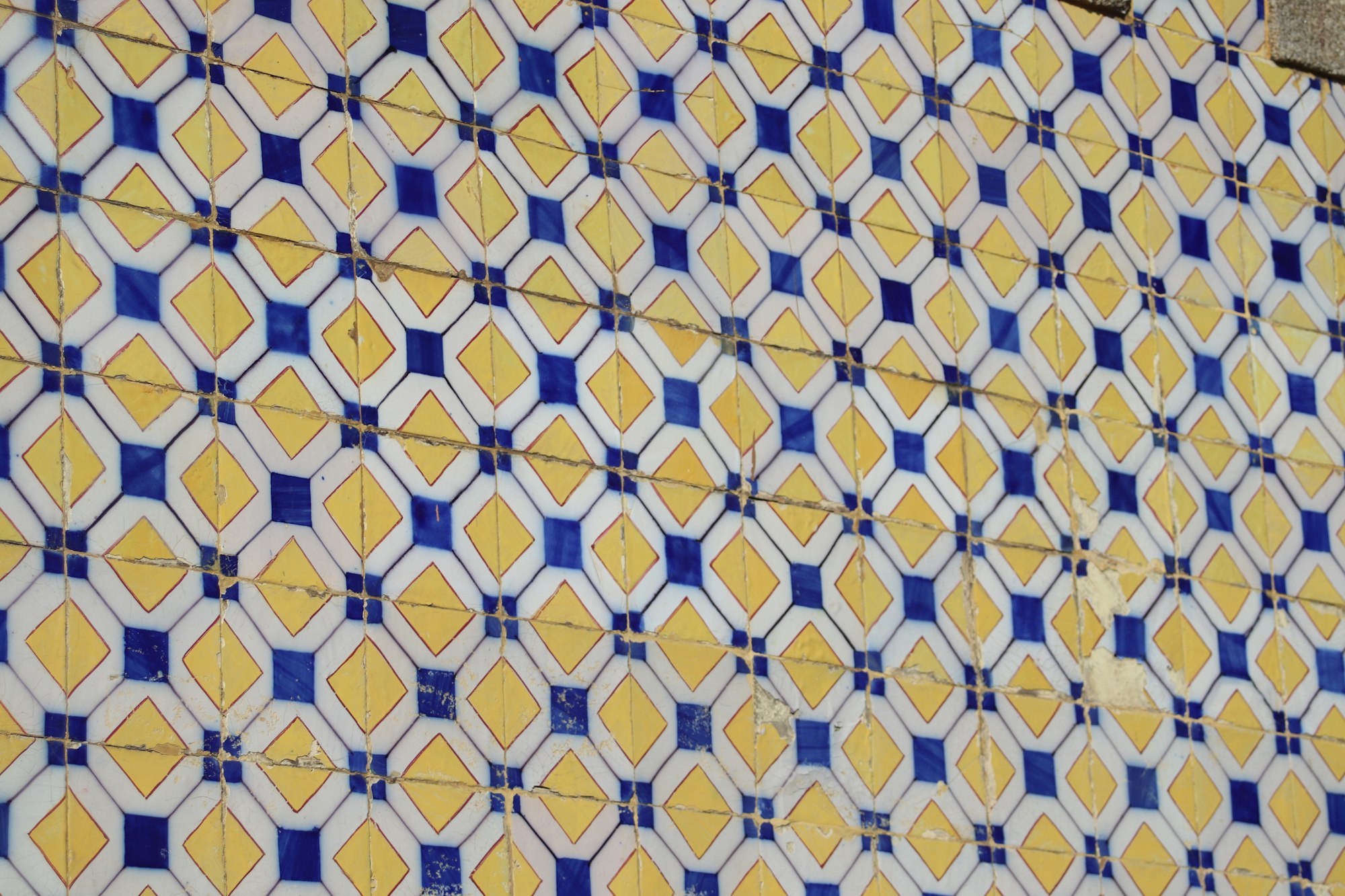
Lisbon is a city that rewards those who climb. Spread across hills above the Tagus, it offers a viewpoint, a miradouro, almost wherever the street bends upward: a terrace of tiles, a garden balcony, a quiet square with a kiosk and a view of terracotta rooftops tumbling toward the river. To know Lisbon well is to know when to stand at each one. This is a guide to the miradouros worth your time, and to the hours that suit them best.
Alfama: Santa Luzia and Portas do Sol
Begin in Alfama, the oldest neighborhood in the city, where two neighboring terraces make an ideal first chapter. Miradouro de Santa Luzia is the more intimate of the pair, framed by tiled benches and spilling bougainvillea, with the Tagus, the church towers and the dome of the National Pantheon laid out below. Just beside it, Miradouro das Portas do Sol looks across Alfama’s jumble of houses toward the river and the church of São Vicente de Fora, and has long been a favorite spot for a drink as the day softens.
Timing matters here. Santa Luzia is small and popular, so arriving early in the morning gives you the tiles and the view with room to breathe. Portas do Sol, by contrast, is a natural choice toward sunset, when the rooftops warm and the terrace gathers its evening company.
Alfama stretches down the slope from São Jorge Castle to the Tagus, and its name is generally traced to the Arabic al-hamma. It came through the earthquake of 1755 with little damage, which is why its lanes still wind in the old way. From the two terraces, you look across domes and tiled roofs to the estuary, a view that changes character with every hour.
Graça: Where the City Looks Its Best at Dusk
A short climb to the east brings you to Graça, a neighborhood that locals cherish and that rewards the extra effort. Miradouro da Graça, also known as Miradouro Sophia de Mello Breyner Andresen in honor of the celebrated Portuguese poet, offers sweeping views over the castle of São Jorge, the 25 de Abril Bridge, Mouraria and the Baixa. It is a relaxed place to linger, with a café terrace and an easy rhythm.
Higher still is Miradouro da Senhora do Monte, widely described as the highest viewpoint in Lisbon. Its elevation gives a broad panorama of the castle, the river and the downtown rooftops, and its setting beside a small chapel lends it a quiet, almost contemplative air. Both Graça terraces are at their most beautiful toward sunset and into early evening, as the city lights begin to appear. Senhora do Monte can be busier at that hour, so consider arriving a little ahead of the light.
Shaded seating and a drinks kiosk make the Graça terrace one of the city’s easy meeting points, and it draws locals and visitors alike. Of all the viewpoints, it offers some of the finest looks at the castle, a site said to have been occupied for some three thousand years.
Bairro Alto and Príncipe Real: Garden Terraces
On the western hill, Miradouro de São Pedro de Alcântara is a gracious garden terrace that looks across the valley to the castle on the opposite hill. It pairs beautifully with an afternoon in Príncipe Real and works at almost any hour, by day for the clarity of the view and by night for the glow of the city below.
A little farther along, Miradouro de Santa Catarina faces the river and the 25 de Abril Bridge, with an easygoing atmosphere that suits the end of the day. It is a fine place to watch the sky change over the south bank, ideally with the unhurried company of a local café nearby.
A large stone statue of Adamastor, the mythic giant of Portuguese literature, presides over the Santa Catarina terrace. Beyond it, the view takes in the Tagus, the bridge and, on a clear day, the Cristo Rei statue on the far bank. Residents gather here in the evening to talk, play music and watch the light fade, which gives the place its warm, communal feeling.
Above the Baixa: The Castle and the Santa Justa Lift
For a grander perspective, the walls of São Jorge Castle command views over the historic center, the Tagus and the red rooftops, and are especially lovely later in the day. In the Baixa, the neo-Gothic Santa Justa Lift, which dates from 1902, carries visitors to an observation deck above the grid of streets below, with views toward the castle and Praça do Comércio. Both are popular, so visiting outside the busiest midday hours makes the experience calmer.
Planning Your Hours on the Hills
A simple rhythm serves the city well. Spend the morning at Santa Luzia while the light is clean and the terraces are quiet. Let the afternoon drift through the garden at São Pedro de Alcântara or the castle walls. Then climb to Graça or Santa Catarina as the sun lowers, and stay until the first lights come on across the river. Lisbon’s hills are steep and its cobbled streets can be demanding, so comfortable shoes and an unhurried pace are the real luxuries here. In autumn, the softer light makes each of these terraces especially rewarding.
Lisbon enjoys a Mediterranean climate and about 2,875 hours of sunshine a year, among the highest totals in Europe, so a clear view is the rule rather than the exception. Electric trams have rattled through the city since 1901, and the small yellow cars remain an icon.
As always, please confirm opening hours, access and any ticket details directly with each venue before you go.