
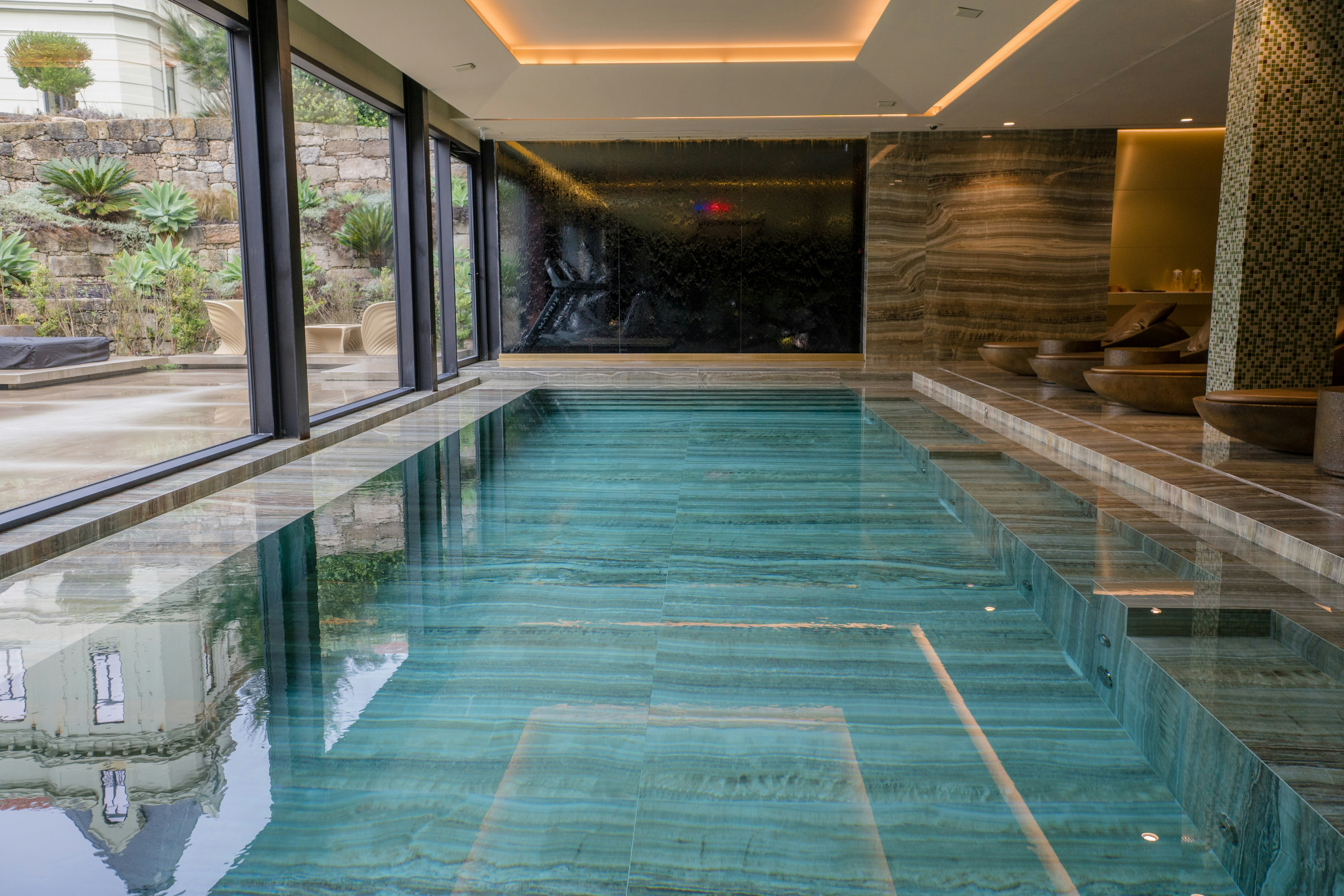
In the Vouga River valley, in the Viseu district of central Portugal, the town of São Pedro do Sul has welcomed bathers for a very long time. Its thermal tradition stretches back more than two thousand years, and today it combines heritage with modern spa facilities, a quietly appealing destination for travelers who value restorative time.
A Bathing Tradition Two Thousand Years Old
The site has a documented history of over 2,000 years, beginning with a Roman bathhouse built in two phases in the first century AD. From the eleventh century the village was known simply as Banho, meaning bath.
Portugal’s first king, Afonso Henriques, is recorded as having visited the baths in the twelfth century, a link the town still honors in the name of one of its spas.
The Character of the Waters
The springs of São Pedro do Sul are among the hottest in Portugal. According to the European Historic Thermal Towns Association, the thermal wells supply water at between 67 and 68.7 degrees Celsius, and the water is described as hot, alkaline and sulphurous, with bicarbonates, carbonates, fluorides and a high silicate content. It is the kind of mineral water that has drawn people to the valley for centuries.
The Roman ruins on the banks of the Vouga date to the first century AD, and the baths remained in use until the end of the nineteenth century. The remains were classified as a National Monument in 1938, so the stones you see beside the river belong to a story that is both ancient and carefully preserved.
Kings, Queens and a Royal Hospital
Royal patronage runs through the town’s history. In 1152 King Afonso Henriques granted the settlement municipal status as a spa resort, and tradition holds that he came to the springs to recover from a leg broken in battle. In 1515 King Manuel I ordered a new Royal Hospital to be built at the springs, replacing the old baths. In earlier centuries the place was known as Caldas Lafonenses, and later as Caldas de Lafões.
Queen Amélia visited in 1894 seeking relief for health troubles, and a royal decree afterward gave her name to the bath that stands today as the Balneário Rainha D. Amélia. Its classic, old-fashioned charm is part of the pleasure of a visit, and it pairs naturally with the lighter, more contemporary mood of the second balneário.
Two Balneários, Two Moods
Today the town offers two thermal establishments: the Balneário Rainha D. Amélia, a classic address, and the Balneário D. Afonso Henriques, which is more modern. Together they offer a range of programs described as spa therapy, physiotherapy and thermal wellness, and the resort is open all year.
The D. Afonso Henriques balneário also hosts a thermal circuit with a pool with underwater jets, a sauna and a steam room. Programs and prices change, so check the current offer directly with the spa.
The Roman Remains
Beside the active spa, the Termas Romanas archaeological site preserves the original Roman complex. Entry has been reported as free, which makes it an easy and rewarding addition to a day of bathing. Standing among the ancient stones, it is easy to appreciate how long people have come to this valley for rest.
Planning a Visit
São Pedro do Sul lies about thirty kilometers from the city of Viseu, which makes a graceful pairing for a longer stay in the Center of Portugal. Autumn and winter suit thermal visits particularly well, when warm water and cool air make a pleasing contrast.
Pair a morning at the baths with a gentle walk by the river, and leave the afternoon open. The pleasure here lies in the pace.
What to Pack and What to Ask
Pack light layers, a swimsuit and a robe if the spa does not provide one, and leave time before and after each treatment so the experience is not rushed. Thermal programs often include a consultation or schedule, so ask what each option involves and how long it lasts.
It is also worth asking about the surrounding area. The Vouga valley and the countryside around Viseu offer walking, regional food and quiet villages that complement a restorative stay. The thermal town is a place to slow down, and the best itineraries leave room for that.
Why It Endures
Thermal towns endure because the experience they offer is simple and increasingly rare: warm water, quiet surroundings and time. São Pedro do Sul adds a deep sense of continuity, since people have been coming here since Roman times and the valley still invites the same unhurried rituals.
For travelers building a wellness-minded journey through Portugal, it makes a graceful counterpart to the better known coastal spas, and a reminder that the country’s heritage of taking the waters runs far inland.
A visit here also pairs well with the culture of the Center of Portugal, from the historic streets of Viseu to the quiet landscapes of the surrounding valleys. Allow a few days, and let the rhythm of the baths set the tone for the rest of the trip.
This article is for general inspiration and is not medical advice. Please consult a qualified professional about any treatment, and confirm program details, hours and prices with the spa.


