
Tavira sits in the eastern Algarve, about 28 kilometers east of Faro, where the Gilão River meets the Atlantic. It is a town of whitewashed houses, terracotta roofs and church towers, built along both banks of a quiet river and joined by a bridge that has become its signature. Visitors who know the western Algarve for its cliffs and coves often find in Tavira a different, calmer register: a place to walk, to take a long lunch and to cross a lagoon to a beach that feels far from anywhere.
A Town Shaped by Many Hands
Tavira’s story runs deep. The Phoenicians are recorded as having settled here in the eighth century BC, and the Romans later founded a port nearby. The Moorish centuries left the strongest mark on the town’s appearance, from its castle to the whitewashed buildings and distinctive doors that still line the old streets. In 1242 the town was retaken by Dom Paio Peres Correia, whose tomb lies in the Igreja de Santa Maria do Castelo, a church built on the site of a former mosque.
The great earthquake of 1755 devastated much of the Algarve, and Tavira was rebuilt in the years that followed. That is why a stroll through the center today feels so harmonious: eighteenth-century facades, churches and townhouses sit comfortably beside older foundations. Allow a morning simply to wander, with no list and no schedule.
The Bridge, the Castle and the Churches
The Ponte Romana, or Roman Bridge, crosses the Gilão and links the two halves of the town. Despite the name, a survey showed that its seven arches date from the Moorish period, in the twelfth century. Today it is pedestrian only, and it is the best place to begin and to end a day: soft morning light on the water, or the glow of early evening as the lamps come on along the riverbank.
From the bridge, climb to the ruins of the Castelo de Tavira, where the view stretches across rooftops, the river and, beyond them, the salt pans of the Ria Formosa. Then step into the Igreja da Misericórdia, a Renaissance church whose interior is covered in blue and white azulejo tiles. Tavira has a long list of churches, so pace yourself and choose two or three rather than trying to see them all.
For a quieter cultural stop, visit the Municipal Museum in the Palácio da Galeria, or climb the converted water tower that houses the Camera Obscura, where a guided projection offers a live, 360-degree view of the town. Near the river, the former Mercado da Ribeira now holds artisan shops, cafes and cultural events, and the small garden by the bandstand, the Coreto, is known for the terrapins that live in its pools.
Salt Pans, Lagoon and the Ria Formosa
Tavira lies within reach of the Ria Formosa Natural Park, a protected lagoon system established in 1978 that stretches along the Algarve coast. It is made up of channels, mudflats, salt marsh and a chain of barrier islands, among them Armona, Culatra, Barreta, Cacela and the Ilha de Tavira. The lagoon is an important stopping point for migratory birds in spring and autumn, and about 30,000 birds can be observed from it each year.
The salt pans between the town and the coast have been worked for centuries, and the salt from these salinas is sold locally as a gourmet product. Wading birds feed in the shallow pools, and flamingos are sometimes seen. A walk or bicycle ride along the edge of the pans, especially in the low light of morning or late afternoon, is one of the most rewarding ways to understand the landscape. Bring a small jar of local salt home: it is a simple souvenir that tastes of the place.
The Ilha de Tavira and Its Beaches

Farther along the island you will find the Cemitério das Âncoras, the Anchor Graveyard, where hundreds of old anchors stand in the sand as a tribute to the area’s tuna fishing heritage. Praia de Cabanas can be reached by small water taxis across the lagoon from Cabanas de Tavira, a pleasant crossing in its own right. In the shoulder seasons, when the crowds thin, the island is at its most atmospheric: wide skies, soft sand and the sound of the water.
What to Eat in Tavira
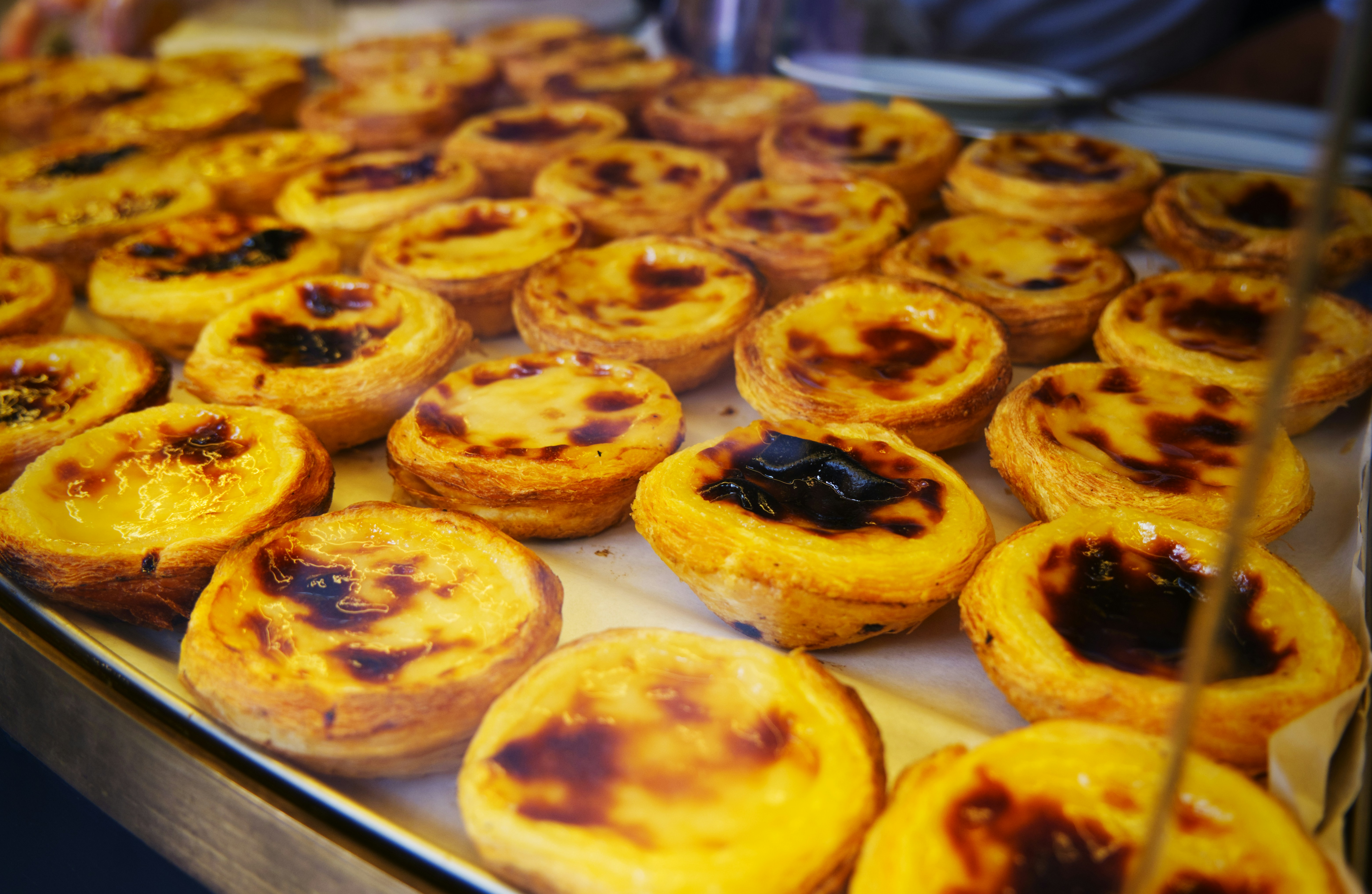
Local tuna and octopus appear on most menus, and the cataplana, a seafood stew steam-cooked in a clam-shaped copper pan and meant for sharing, is a classic of the region. Pair it with a chilled glass of vinho verde, and finish with a pastel de nata and a coffee on the riverbank. Tavira is also the Portuguese representative community for the UNESCO inscription of the Mediterranean Diet, a fitting honor for a town where simple, seasonal food is taken seriously.
Planning Your Visit
Tavira works beautifully as a base for two or three unhurried days, with the old town on foot and the island a ferry ride away. Spring and autumn offer mild weather and a gentler pace, while summer brings the warmest sea. Opening hours, ferry timetables and seasonal schedules can change, so please confirm details with each venue or operator before you travel.