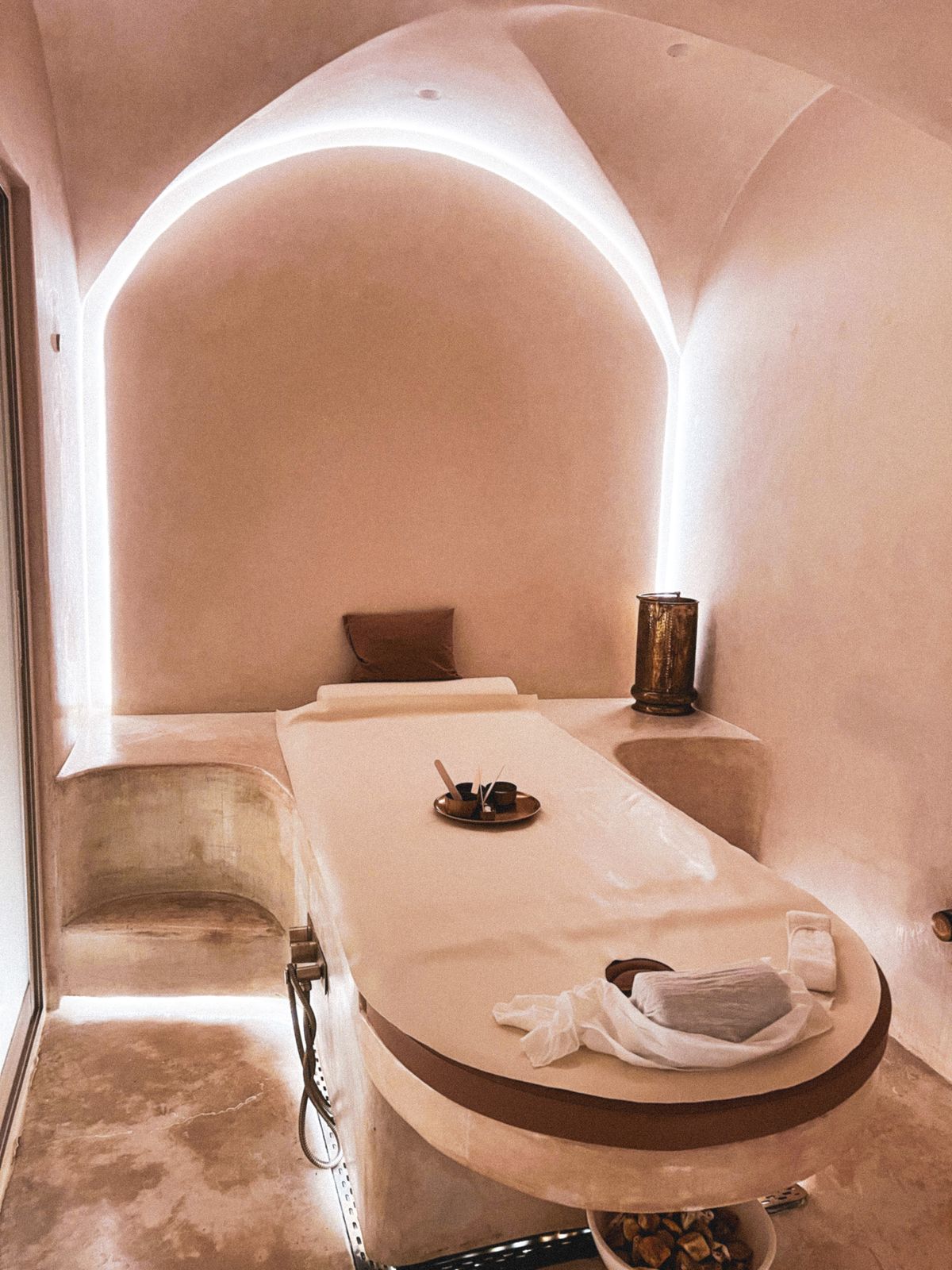

Portugal has more than eight hundred kilometres of mainland Atlantic coastline, and for centuries its people have looked to the sea for health as well as livelihood. Sea bathing was once prescribed by doctors, and coastal towns grew around the belief in the restorative power of salt air and cold water. Today that tradition lives on in thalassotherapy, a wellness practice built around seawater, marine minerals and the coastal climate.
What Thalassotherapy Is
The word comes from the Greek for sea and treatment. Thalassotherapy uses heated seawater, seaweed, marine mud, sea salt and the sea air itself in a series of treatments designed to relax the body, support circulation and leave the skin soft and nourished. Seawater contains minerals and trace elements such as magnesium, calcium and potassium, and many people find that time in warm saltwater pools eases muscular tension and encourages deep rest. It is less about dramatic results and more about restoring balance.
The Classic Treatments
A thalassotherapy circuit usually begins in a heated seawater pool fitted with jets, currents and massage stations that work on different parts of the body. Other treatments might include hydromassage baths, affusion showers in which warm seawater rains down during a massage, seaweed or marine mud wraps, salt scrubs and jet showers directed by a therapist. Sessions often end in a relaxation room, ideally with a view of the ocean, where the body has time to absorb the benefits.
Portugal’s Coastal Settings
Thalassotherapy centres and seawater spas can be found along the length of the coast, from the north near Porto to the Lisbon coast and the Algarve. The setting matters: the best centres sit right beside the ocean, drawing water directly from the sea, with treatment rooms and pools that look out over the waves. In the north, the Atlantic is cool and bracing and the coastline wild. In the Algarve, the climate is gentler and the light softer, making it ideal for winter wellness breaks.
Bringing the Sea to the Spa Menu
Beyond dedicated thalassotherapy centres, many Portuguese coastal hotels and spas draw on marine ingredients in their treatments: Atlantic seaweed masks, sea salt scrubs scented with local herbs, and massages using oils infused with algae. Some combine these rituals with outdoor elements such as ocean swims, beach walks at sunrise, breathwork on the sand or yoga on clifftop terraces, creating a complete experience shaped by the sea.
Planning a Seawater Retreat
A single circuit is a lovely way to spend an afternoon, but the traditional approach is a series of sessions over several days, allowing the body to settle into the rhythm of treatment and rest. Many centres offer packages focused on relaxation, sleep, detox or recovery. As with any wellness programme, those who are pregnant or have health conditions such as heart or circulation problems should check with their doctor and inform the spa before booking.
The Best Time to Go
Thalassotherapy is a year-round pleasure, but autumn and winter are perhaps its finest seasons. When the Atlantic is grey and dramatic outside, floating in warm seawater while watching the waves roll in has a particular magic. Combine a few days of treatments with long coastal walks, fresh seafood and early nights, and you return home with the feeling that the ocean has done its quiet work.