In the Alentejo, a herdade is a large rural estate, traditionally a farm of cork oaks, olive groves, grain fields and vineyards spread across the rolling plains of southern Portugal. In recent years many of these estates have opened their doors to guests, transforming farmhouses and wineries into some of the country’s most soulful places to stay. Their appeal says much about where luxury hospitality in Portugal is heading.
The Luxury of Space
The first thing guests notice is the space. Estates can stretch over hundreds or even thousands of hectares, with only a handful of rooms or villas. The horizon is wide, the skies are enormous and, at night, the stars are astonishingly clear, as much of the region enjoys very low light pollution. In a world where privacy has become one of the most valued luxuries, the Alentejo offers it naturally, without walls or gates.
Wine at the Heart of the Story
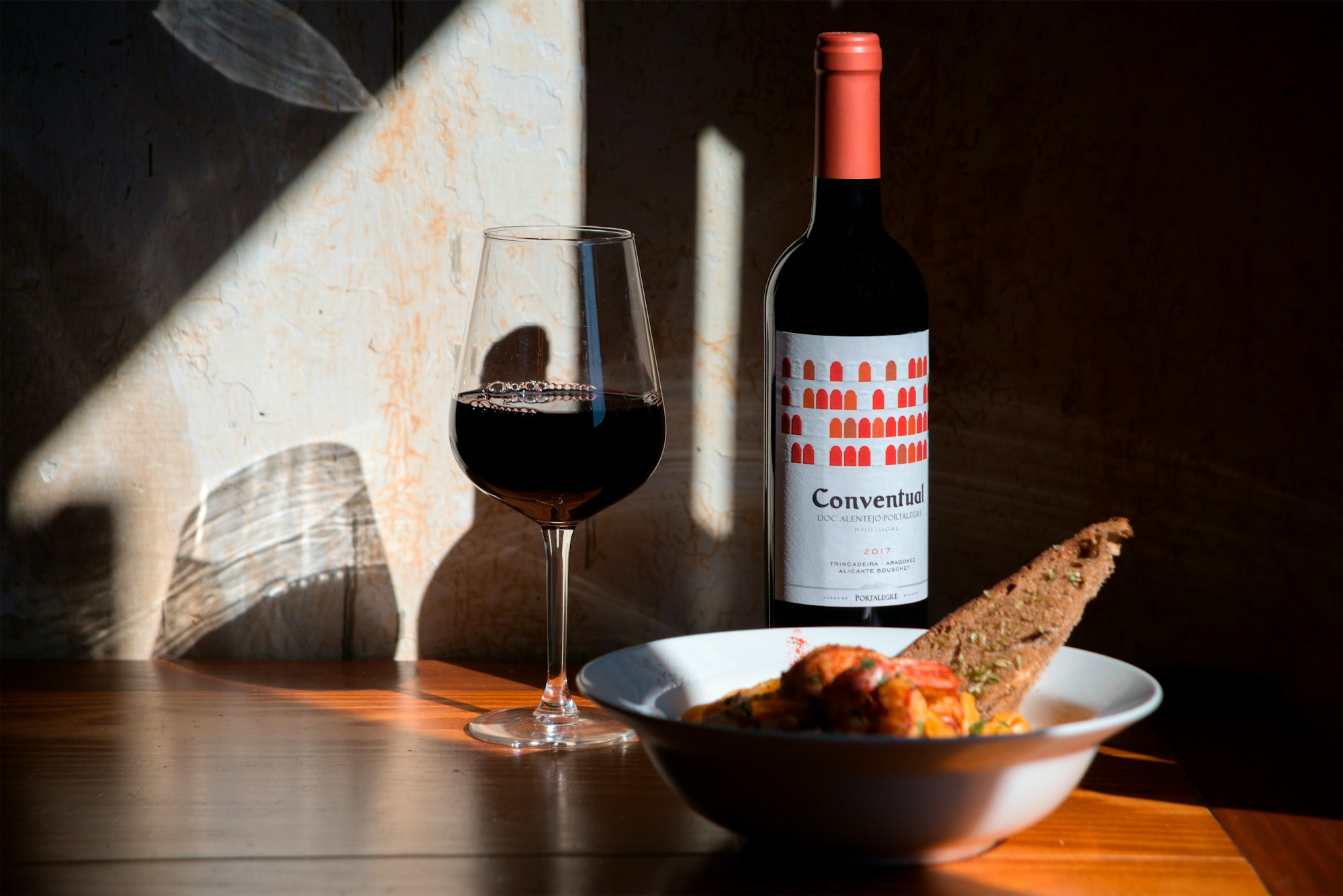
The Alentejo is one of Portugal’s most important wine regions, known for generous, sun-ripened reds and increasingly elegant whites. It also preserves one of Europe’s oldest winemaking traditions: talha wine, fermented in large clay amphorae, a method inherited from Roman times and still practised in villages such as Vila de Frades. For guests, a stay means more than a tasting. It can mean walking the vines with the winemaker, joining the harvest in September, blending a wine in the cellar or dining beside the barrels.
The Estate Table
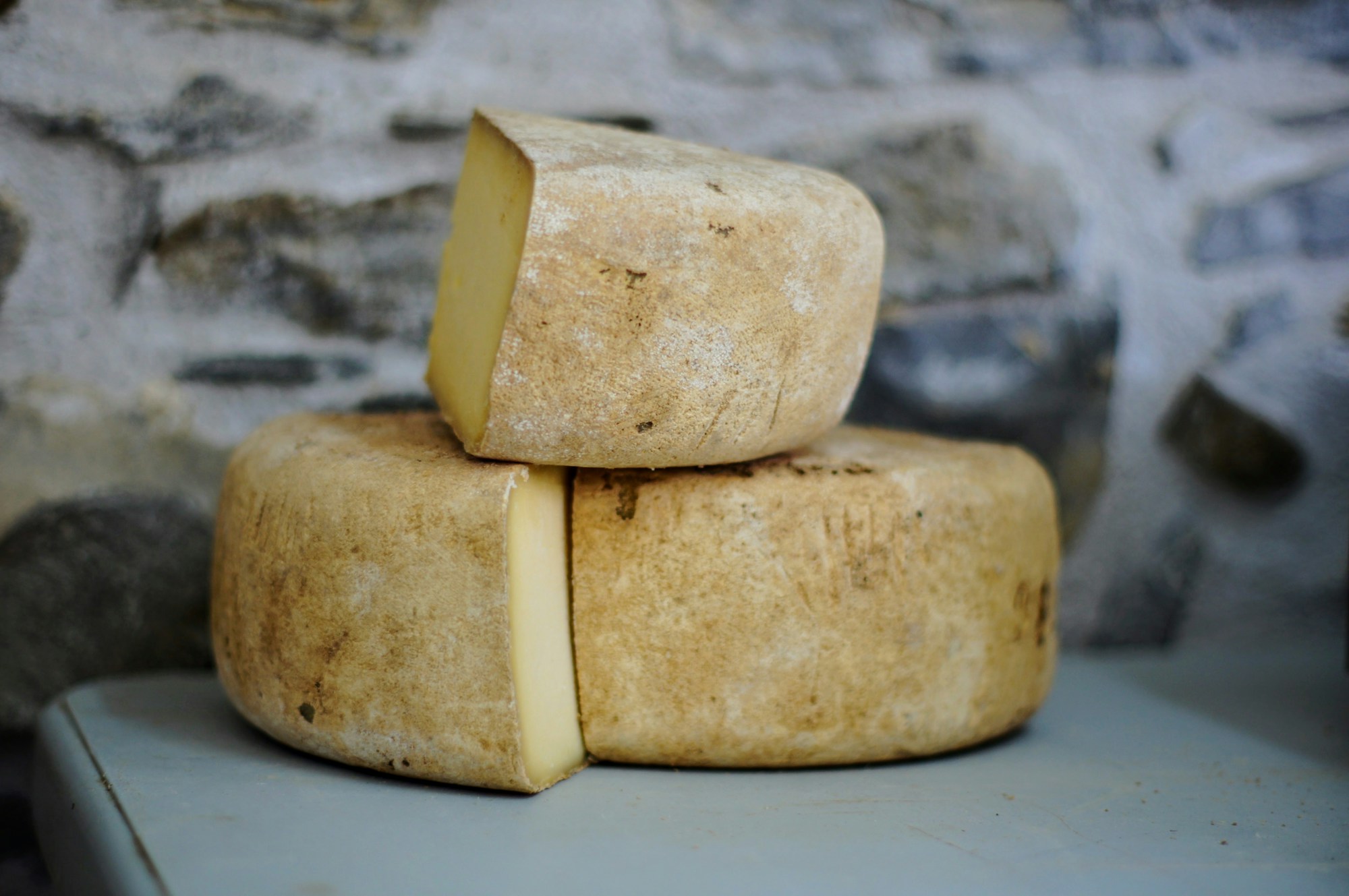
Food at a herdade tells the story of the land. Olive oil pressed on the estate, bread baked in wood-fired ovens, black pork raised under the cork oaks, wild herbs such as coriander, pennyroyal and oregano, and vegetables from the kitchen garden all find their way to the table. The best estates resist the temptation to imitate city restaurants and instead celebrate Alentejo cooking with care and restraint. A slow lunch under a vine-covered pergola can be as memorable as any tasting menu.
Design Rooted in Place

Slow Time as the True Luxury
Guests come to the Alentejo to slow down. Days might include cycling between vineyards, horseback rides through the montado, swimming in a pool overlooking the plains, a visit to the Roman temple of Évora or a quiet afternoon with a book under a cork oak. The rhythm is set by the light and the seasons rather than by schedules. This sense of time regained is perhaps the most powerful story an estate can tell.
Telling the Herdade Story Well
For estates welcoming international guests, communication matters as much as the experience itself. The strongest brands speak with honesty about their land, their families and their seasons, and show real moments rather than staged ones: the harvest at dawn, the olive press in November, the long table in the courtyard. Photography with natural light, writing that conveys the silence and space, and partnerships with thoughtful travel media help guests understand what makes a stay special before they arrive. In the Alentejo, the most compelling luxury is authenticity, and the most effective story is simply the truth told beautifully.