Few Portuguese sweets are as easy to recognize as ovos moles de Aveiro. Tiny wafer shells shaped like scallops, fish and buoys hold a soft golden filling of egg yolk and sugar, and they arrive in painted barrels that hint at the sea. This guide to ovos moles explains where the sweet comes from, what its protected status means, and how to taste it with care when you visit Aveiro.
What are ovos moles?
The name translates literally as soft eggs, and the description is accurate. The filling is made of egg yolks and sugar, with some versions including chocolate. It is enclosed in a thin wafer, made in the same way as communion wafers from rice starch or wheat flour, and shaped into small forms that echo the maritime life of the Ria de Aveiro: shells, whelks, fish and boats.
The traditional way of preparing the filling is patient work. The yolks are separated from the whites and mixed with sugar, then stirred in a copper pan with a wooden spoon, moving back and forth rather than in circles, until the bottom of the pan can be seen. The result is a smooth, dense paste with a deep sweetness that is balanced by the dry, delicate crispness of the wafer.
A convent sweet with a maritime face

Writers differ on some details, and the exact beginnings remain unclear. One account describes sugar reaching the convents through the royal court, since sugar from Madeira was once an important commodity, and says the paste was placed inside wafers to make it easier to handle and store. Another recounts a legend of a nun who, fasting as punishment, hid a mixture of eggs and sugar in wafer batter, a result her sisters considered miraculous. It is best to enjoy these stories as part of the sweet’s character rather than as settled history.
What is clearer is how the tradition left the cloister. Portugal closed its convents and monasteries in the 1830s after the Liberal Revolution, and one account notes that the last nun at the Monastery of Jesus in Aveiro died in 1874, by which time local bakeries were already making ovos moles. The craft passed from the nuns to a wider community of makers, and the sweet became a local specialty. Women in traditional Aveiro dress also became known for selling it to passengers at the Aveiro station on the Lisbon to Porto line.
A protected tradition
Ovos moles de Aveiro hold Protected Geographical Indication status from the European Union, and they are often described as the first Portuguese sweet to receive it. The designation is meant to guarantee that the sweet is made in its home area using traditional methods and recipes. Sources give different dates for the designation, so readers who need an exact year should check the official register.
A confraternity dedicated to Aveiro’s ovos moles also exists, and a producers’ association has been active in preserving the craft. In December 2015, the association revived a traditional chocolate version, made with a coating of 63 percent cocoa chocolate, which had nearly disappeared during World War II because chocolate was scarce. The revived sweet, known as ovos moles de chocolate or ovos moles pretos, now follows a standard recipe.
How to taste them in Aveiro
The best approach is slow and simple. Visit one of the city’s pastry shops, ask for a small selection, and eat them plain, with a coffee or a small glass of something sweet as an accompaniment. Take a moment to look at the wafers before biting: the shell is part of the pleasure, and it softens against the filling within seconds. Some wafers are dipped in a simple syrup to make them firmer or more opaque, and you may notice the difference between shops.
Among the makers, Maria da Apresentação da Cruz Herdeiros is described as one of the first shops to make ovos moles and as still operating today. Pastry shops across the city present their sweets in ceramic bowls or wooden barrels painted with moliceiro boats and other motifs from the Ria de Aveiro, which makes them an excellent gift to carry home. Barrels were traditionally hand-painted with scenes of fishing life, and today they remain a small piece of local craft in their own right.
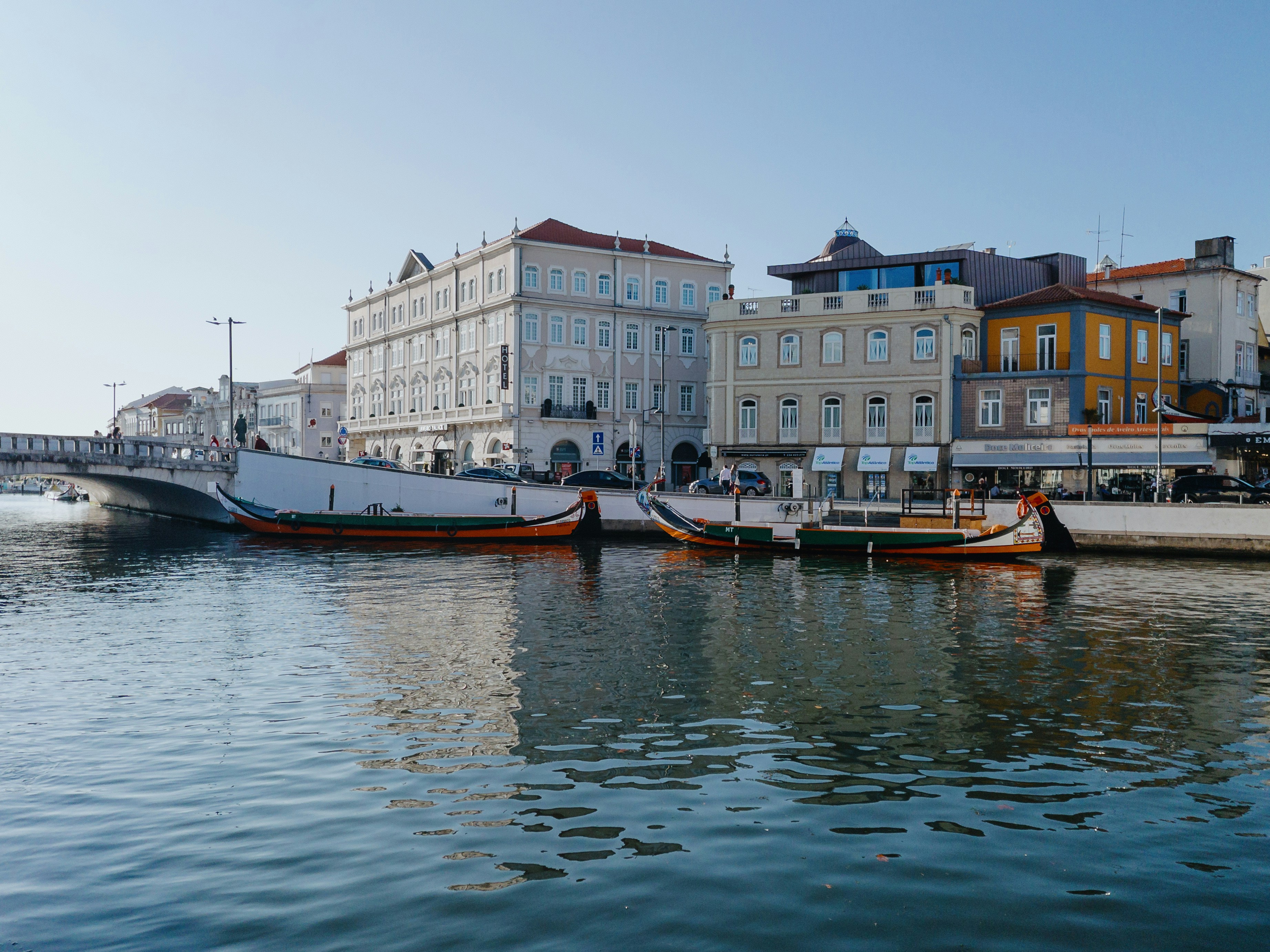
Make time for the city itself. Aveiro is often called the Portuguese Venice for its canals and the brightly painted moliceiro boats that cross them, and a short boat ride or a stroll beside the water is a natural companion to a tasting. Several operators also offer workshops where visitors can learn to fill and cut the wafers by hand.
Ovos moles at home
A home version needs only a few ingredients: egg yolks, sugar, water and wafer molds, with a little egg white to seal the two halves. A syrup of sugar and water is cooked, cooled until lukewarm, and then stirred slowly into whisked yolks over low heat until the mixture is thick and pasty. It is spooned into the wafer halves, sealed, and cut into shape with scissors. Any leftover filling can be eaten plain with a spoon or used in other cakes and sweets.
Opening hours, workshops and shop details change, so please confirm them with each venue before you visit.