
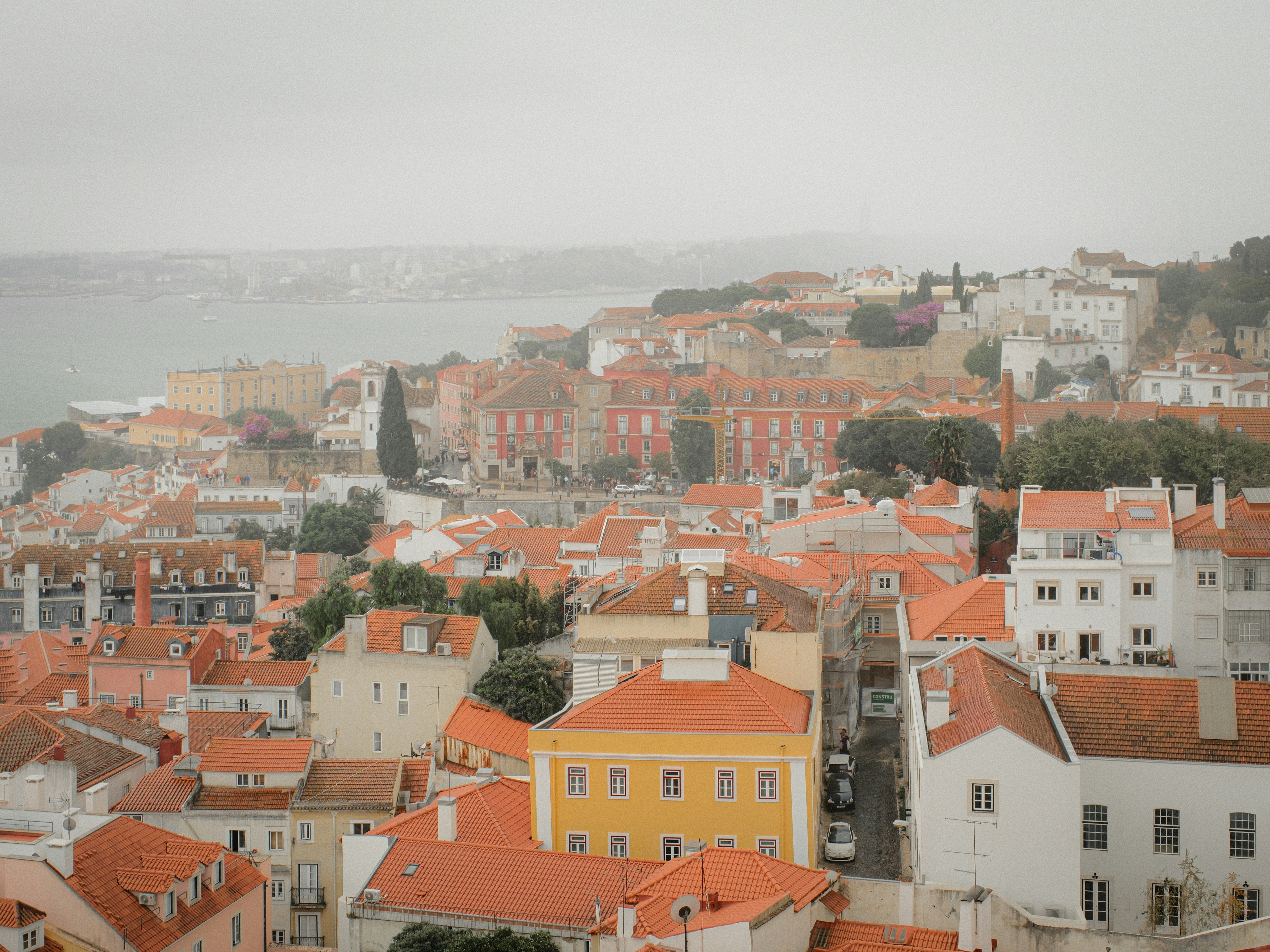
Alfama is the part of Lisbon that most visitors sense before they understand it: a tight maze of steep lanes, laundry lines, blue-and-white tiles and the faint smell of grilled fish drifting from open doorways. This Alfama Lisbon guide follows a single unhurried day through the neighborhood, from the cathedral at its foot to the viewpoints above, with time left for the market, the museum and an evening of fado.
Why Alfama Rewards a Slow Day
Alfama is often described as Lisbon’s oldest and most distinctive neighborhood, and it lies in a tangle of narrow streets beneath the Moorish castle. The layout is not a grid but a gradual accumulation of steps, courtyards and small squares, so the best plan is a loose one. Wear comfortable shoes, expect to climb, and treat every wrong turn as part of the experience. The streets are quietest in the early morning and again toward dusk, and those are the hours when the neighborhood feels most like a village rather than a landmark.
Begin at the Sé, Lisbon’s Cathedral
Start at the bottom of the hill with Lisbon Cathedral, known as the Sé. It dates to the twelfth century and was built on the site of a former mosque, a layering of histories that Alfama wears quite openly. The cathedral is known for its rose window and its cloister, where excavations have revealed Roman and Moorish building layers beneath the later stonework. Even a short visit gives useful context: you are standing on ground that has been continuously reshaped for many centuries, and the lanes you are about to climb belong to that same long story.
Climb to the Castle and the Viewpoints
From the cathedral, the route winds upward toward the Castelo de São Jorge, the Moorish castle that watches over the neighborhood. Along the way, two viewpoints deserve a pause. The Miradouro de Santa Luzia and the neighboring Largo das Portas do Sol look out over red-tiled rooftops, the white dome of the National Pantheon and the broad sweep of the river. Both are especially lovely at golden hour, when the light turns the terracotta warm and the city slows. Bring a coffee, sit on a low wall and let the view do the work.
The National Pantheon and the Thieves’ Market
The Panteão Nacional, originally the Church of Santa Engrácia, is easy to recognize by its white dome. Inside are the tombs of notable Portuguese figures, including the fado singer Amália Rodrigues, and the upper terrace offers another fine outlook across the rooftops and the water. Just below, in the Campo de Santa Clara, the Feira da Ladra, the Thieves’ Market, takes place every Tuesday and Saturday. Stalls offer vintage tiles, secondhand books and assorted curiosities, and browsing here is a pleasure whether or not you buy anything. If your visit falls on another day, the square itself is still a calm place to rest.
Fado in the Place It Belongs
No guide to Alfama is complete without fado, the song tradition so closely tied to Lisbon. The Museu do Fado traces the history of the music through recordings, portraits, instruments and the stories of its great singers, and it makes an ideal preparation for an evening listening. Fado houses define the neighborhood after dark. Many visitors find that going early, and choosing a smaller room over a large dinner show, makes for a more intimate performance. Clube de Fado and Sr. Fado de Alfama are among the venues often recommended, and the latter requires advance booking. As always, confirm opening hours, performance times and reservations directly with each venue.
Getting Around with Ease
Tram 28, the classic yellow tram, winds through some of Alfama’s narrowest streets and is a memorable ride, though it can be crowded, so riding early or late in the day is wise. Bus 737 offers a direct route up to the castle for those who prefer to save their legs for the lanes. Many travelers simply walk, descending rather than climbing where possible: take a taxi or the bus to the top, then wander down toward the river with the view ahead of you.
A Neighborhood Worth Returning To
Alfama is not a place to be checked off a list. It is better understood as a rhythm: a morning at the cathedral, a slow ascent, an afternoon among the stalls, an evening of song. Each hour reveals a slightly different neighborhood, and a second visit will show you things the first one hid. Visit with curiosity, speak softly in the narrow streets where people live, and leave time for the unplanned moment, which is often the one you remember. Details such as opening hours, ticketing and schedules can change, so please confirm them with each venue before you go.