The strongest brand stories in hospitality are rarely invented. They are found: in the grain of a cork floor, in the glaze of a hand-painted tile, in the way a family has served the same soup in the same room for generations. Portugal is a country where such details are everywhere, and for any house that operates here, the question is less what to say than how to listen.
Craft as a Language
Portuguese craft has a distinctive vocabulary. Azulejos line stations, churches and hotel facades. Cork, ceramics, linen and wool turn up in rooms and on tables. Tinned fish, pastry, wine and olive oil are made by methods that have been refined across many seasons. Each of these is a ready-made chapter for a hospitality brand, because each connects what a guest sees and tastes to a human hand and a specific place.
The art lies in telling that connection without ornament. Luxury readers are quick to notice when heritage is used as decoration. They respond instead to specificity: which workshop, which valley, which harvest, which way of doing things. A good narrative names these facts plainly and trusts them to carry the weight.
Heritage Without Nostalgia

A narrative that leans only on the past can read as a museum piece, while one that ignores it can feel interchangeable with any other address in the world. The balance that tends to resonate is respectful and current, speaking of tradition as something still being practiced rather than merely remembered.
Place Is the Final Authority
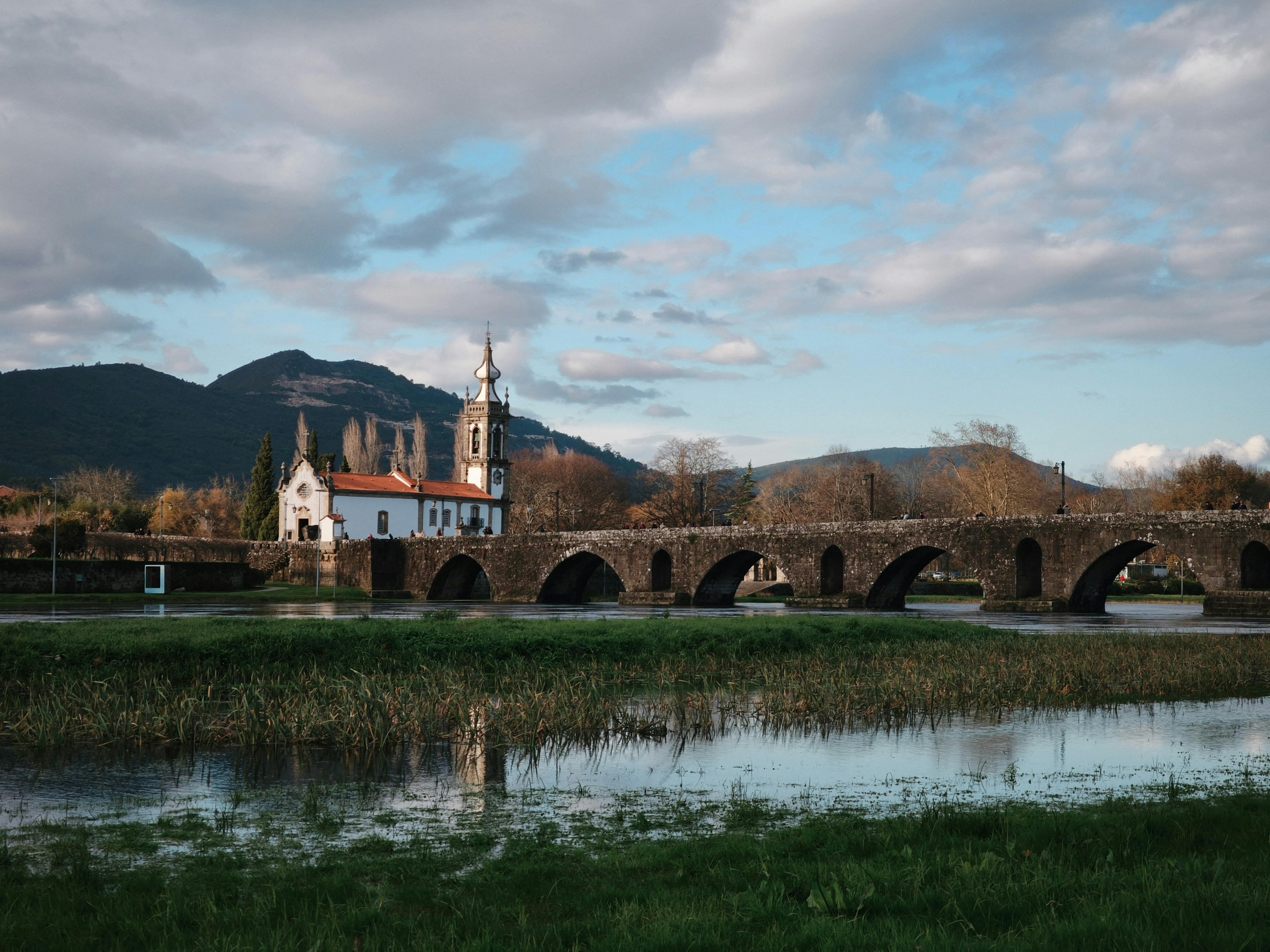
A guest who chooses a stay in Portugal is choosing a landscape as much as a room. The light on the Atlantic coast, the terraced slopes of the Douro, the cork oak plains of the Alentejo and the volcanic islands of the Azores each set a different mood, and each deserves language and imagery of its own. Narrative that is faithful to its setting does not need embellishment, because the setting is already persuasive.
This is one of the quiet advantages of working from within the country. Familiarity with the regions, their seasons and their people allows a story to be told with the right nuance and with an easy accuracy that outsiders can find hard to reach. It also means being able to see a property in person, to meet those who make it what it is, and to describe it as it truly is.
Where Editorial and Communication Meet
Feast & Travel Media works from the belief that a media house and a communications agency are strongest when they share one point of view. Editorial craft shapes how a story is written and photographed; communication craft shapes where and when it is heard. Together they allow a hospitality brand to be introduced to the right readers in a voice that feels earned rather than applied.
For this reason, the work tends to begin with attention rather than output: understanding what a house genuinely values, what it does differently and what it would never compromise. From there, the narrative often writes itself, because it has been there all along, waiting to be described with care.
If your own house has a story of craft and place worth telling, we would welcome a conversation through our inquiry form.