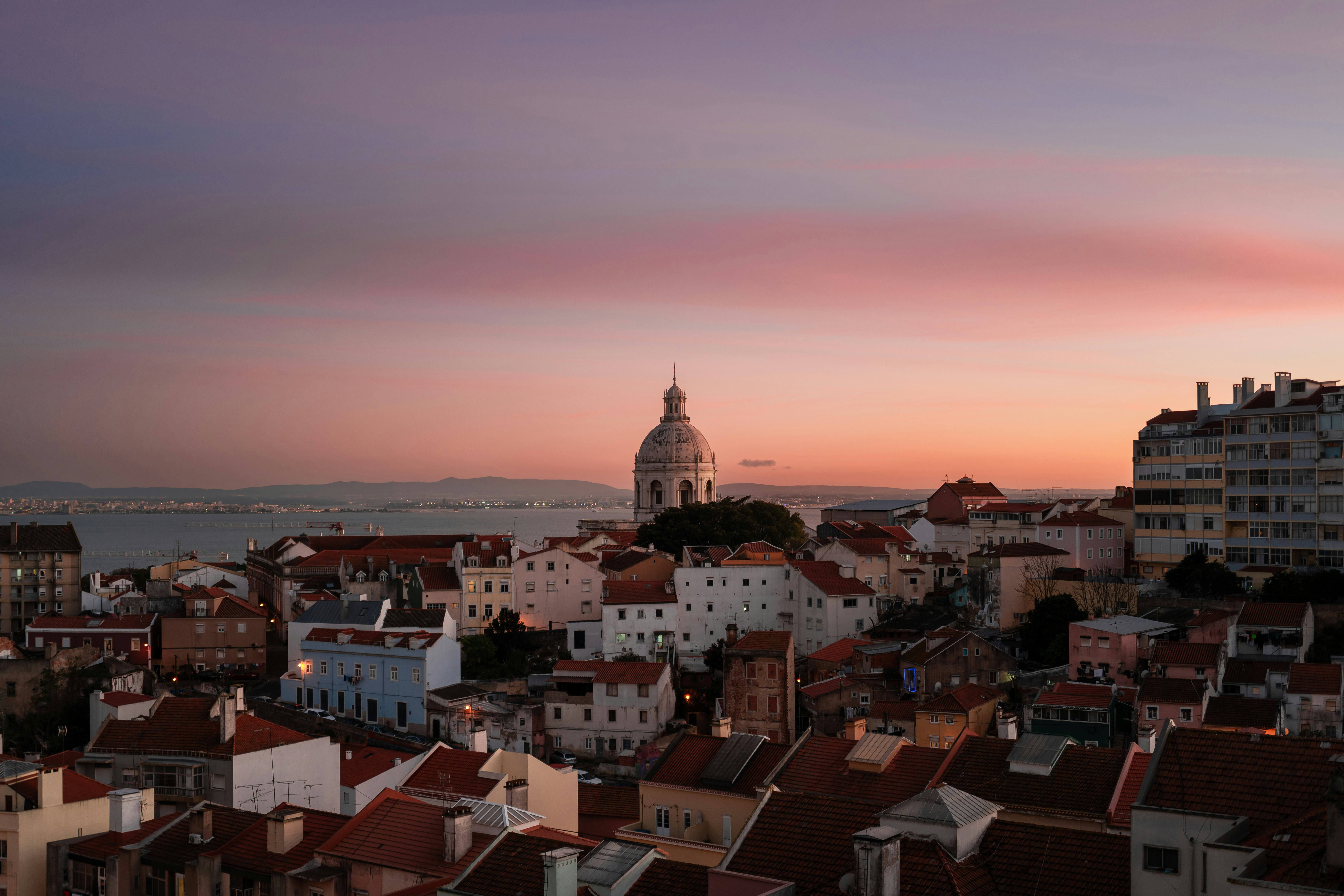
Every hotel, restaurant and wellness house in Portugal has a story it tells about itself. The more interesting story, and the one that shapes its standing over the years, is the one guests tell afterward. A dinner remembered across a table in Lisbon, a morning on a terrace above the Douro, a quiet word from a member of the team: these are the moments that travel from one person to the next, and they become part of the reputation of a place. For Portuguese hospitality, which has always been built on welcome, the guest is not only a customer. The guest is a narrator.
The story begins before arrival and continues after departure
A stay is rarely a single event. It begins with what a traveler reads, sees and imagines, passes through the days spent in the house, and continues in the memories that are shared at home. Each stage is a chapter, and a brand that understands this tends to speak with care at every point rather than only at the moment of booking.
In Portugal, where hospitality grows from family tables, village festivals and long traditions of welcome, this continuity feels natural. The house that describes itself with honesty, and then delivers exactly what it described, gives its guests an easy story to tell. The words on the page and the experience in the room agree with one another, and that agreement is what people repeat.
Why guests remember details, not slogans

Editorial writing works best when it notices the same things. A description of a tiled corridor, a family recipe or a view of the river at dusk gives a reader something to picture, and it gives a guest something to recognize when they arrive. A narrative built on real detail is not marketing language laid over a property. It is a faithful portrait, and faithful portraits are the ones people are happy to pass along.
Letting place do the speaking
Portugal offers hospitality a remarkable vocabulary. Azulejos, cork, salt, wine, olive oil, Atlantic light and the habit of lingering over a long lunch are all part of daily life, and a house that draws on them honestly has little need to invent anything. The place already knows how to speak.
The task of a thoughtful storyteller is to listen first. Which part of the building has the longest memory? Which craft does the region take pride in? Which producers supply the kitchen, and what do they say about their land? When those answers shape the narrative, the guest receives a story that belongs to the house and could not be borrowed by another. It is also a story that guests can retell accurately, because it is rooted in things they have seen and tasted.
The role of the team
Behind every memorable stay is a team, and the team is also a narrator. Front desk colleagues, chefs, guides, therapists and gardeners each carry a piece of the house’s character, and each speaks to guests more often than any brochure does. When the written story and the spoken one align, guests feel it without being told.
For this reason, quiet internal clarity matters as much as outward polish. A house that knows what it values, and says so in simple language, tends to find that its people say the same thing in their own voices. That is how reputation is built slowly and held steadily, without any single dramatic gesture.
Reputation as a long conversation
A reputation is not a campaign with an end date. It is a long conversation among guests, editors, neighbors and colleagues, and it deepens with each season. Portuguese hospitality has a natural advantage here, because so many of its houses are tied to a place and a family, and because the country’s calendar of harvests, festivals and quiet months gives each year a rhythm worth describing.
This is the perspective that Feast & Travel Media brings to its editorial work from Portugal: a belief that a house is best represented when its story is told accurately, calmly and with respect for the people who make it. A media house and a communications agency share a simple discipline, which is to notice what is true and say it well.
A closing thought
If guests are the narrators, the quiet work of a hospitality brand is to give them something worth telling. That means clear words, honest detail, a team that speaks with one spirit, and a sense of place that is allowed to shine. The stories that follow will then take care of themselves.
For those who would enjoy a conversation about telling a Portuguese hospitality story with care, our inquiry form is always open.