Few places in Portugal feel as quietly otherworldly as Pico, the second-largest island in the Azores. A single volcanic cone dominates the skyline, the sea is never far from view, and across the lower slopes thousands of tiny stone-walled plots hold vines that have been tended for centuries. This Pico Island travel guide is written for visitors who prefer to arrive slowly: to walk the vineyard lanes, taste the island’s wines and let the Atlantic set the pace.
The island and its mountain
Pico covers about 445 square kilometers, which makes it the second-largest island in the Azores and the third-largest in Portugal. At its center rises Mount Pico, the highest point in the archipelago and in all of Portugal at 2,351 meters, or 7,713 feet. It is also the highest elevation of the Mid-Atlantic Ridge, a fact that gives the island a certain geological gravity. On clear days the cone appears from almost every corner of the island, and across the narrow Faial-Pico Channel it frames the view from neighboring Faial.
Around 13,900 people live on Pico, according to the 2021 figures, and the island keeps a human scale. Madalena, which was established as a municipality in 1723, sits at the western foot of the mountain and serves as the gateway for many visitors. Lajes do Pico, the island’s first municipality, was founded where fresh water could be found, and it later became home to the first whale-watching operator in the Azores. Daily maritime connections cross the channel between Faial and Pico, and the island also has its own airport, so it is worth confirming current schedules before you plan your route.
The vineyard landscape of Pico

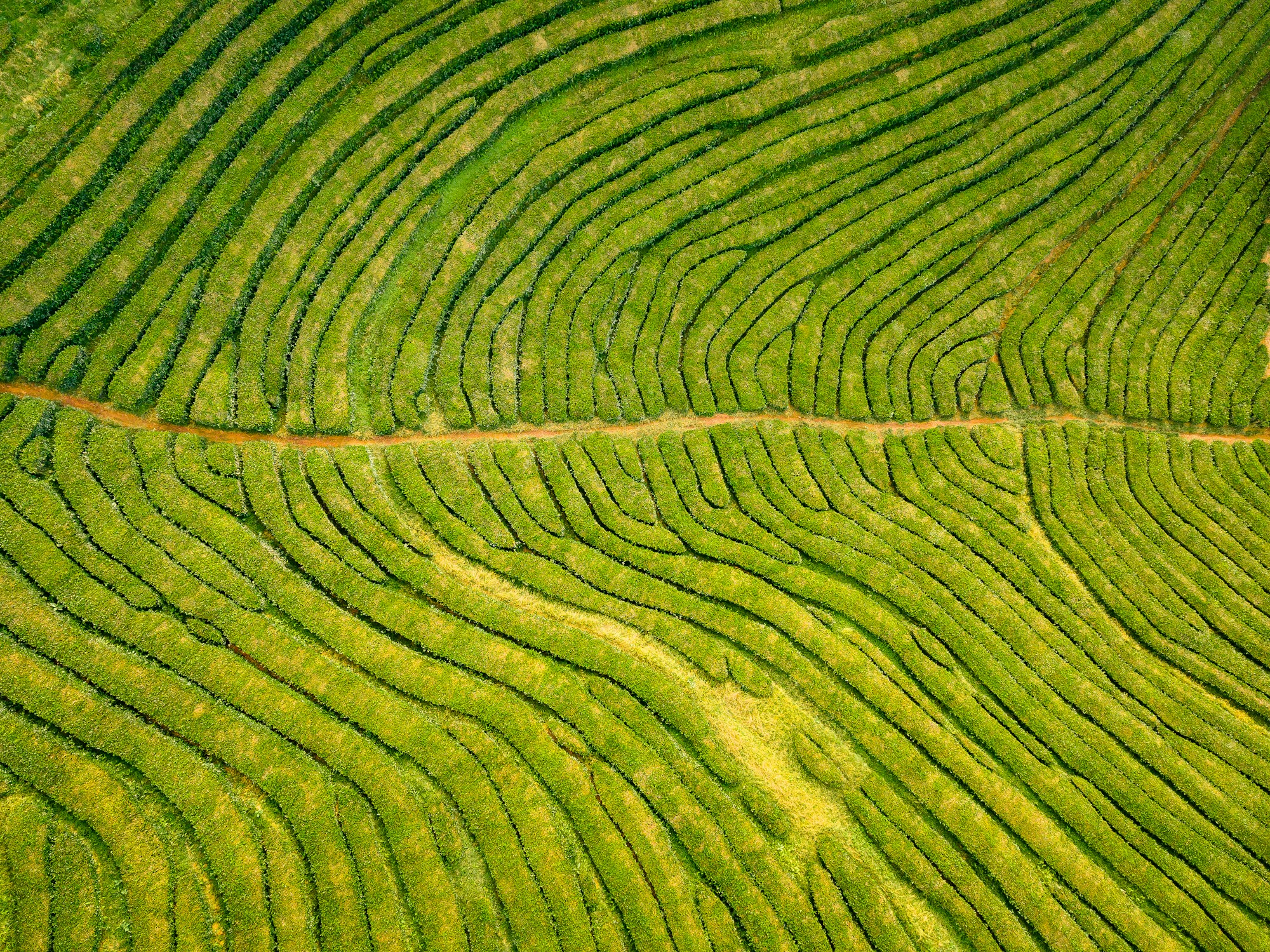
Between those walls lie thousands of small, contiguous, rectangular plots known as currais. Each one shelters a few vines from Atlantic wind and salt spray. The soil is barely there: this is black volcanic rock, and the walls are built mostly from local weathered basalt. Wine production began here in the 15th century and reached its peak in the 19th century, then declined when plant disease struck the vines. Today the tradition continues with high-quality production, particularly around the village of Criação Velha.
UNESCO recognizes the landscape for what it says about human patience. It reflects a unique response to growing grapes on a small volcanic island, and it shows how generations of small-scale farmers built a sustainable livelihood in a hostile environment. Because traditional materials and techniques are still used in the actively farmed areas, and because some abandoned plots remain, the site is both a living landscape and a relic.
Where to walk and what to taste
Criação Velha is the natural place to begin. The village lies at the heart of the protected zone, about 10 kilometers east of Madalena along the coastal road, and its network of currais is particularly dense. On a clear day, Faial is visible across the water. Walk slowly, keep to the paths, and remember that these walls are working farmland as well as heritage.
At the table, Pico is known for its white wines. Verdelho, Arinto and Terrantez are among the main varieties, and local producers describe Pico Verdelho as distinct from mainland Verdelho, with pronounced minerality and acidity. Fortified styles are oxidative and nutty. The island’s Verdelho was widely exported in past centuries, and the Museu do Vinho in Madalena is a thoughtful place to learn how that history unfolded before you taste.
Many travelers also enjoy the island’s soft, artisanal cheeses, made by cheese factories supplied by local dairy farms. A glass of mineral white wine, a plate of local cheese and the sound of the sea make for an unhurried afternoon that needs no further program.
Beyond the vines
Pico rewards a second day. The island holds 86 of the 225 volcanic cavities recorded in the Azores, more than any other island, so lava caves and lava tubes are part of its quiet appeal. Lajes do Pico carries the island’s maritime story: sperm whale hunting was the main industry until it was abolished in 1986, and the former whale factory is now a museum. The same coastline is where the first whale-watching operator in the Azores began, a gentle reminder of how a community can turn a difficult chapter into a respectful one.
For those who enjoy mountain air, the ascent of Mount Pico is a serious undertaking that depends heavily on weather and preparation, so it is best arranged with a local guide and current advice from the island’s official services.
When to go and how to stay
Visitors who want to see the vineyards in motion tend to choose late August to early October, when the grapes ripen and the harvest takes place in September, the period when the adegas are most active. Summer, from June to August, is generally the steadier season for coastal walking. Winter is quiet, and many adegas reduce their hours, so a winter visit calls for advance planning and a more reflective mood.
Pico suits a stay of three or four nights, ideally combined with Faial across the channel. Choose a small guesthouse, a wine estate or a country house near the vineyards, keep your days free of schedules and let the light on the black stone do the work.
A short note: hours, ferry timetables, tasting arrangements and seasonal opening can change, so please confirm details directly with each venue and operator before you travel.