Hospitality in Portugal is not only found in grand city hotels and seaside resorts. Across the countryside, a quieter and more personal tradition has taken root: the rural stay. Housed in farmhouses, manor houses and restored estates, these properties offer something that is increasingly prized by thoughtful travelers, which is a genuine sense of place. For those who value slow mornings, local produce and a host who knows the land, rural Portugal is a natural choice.
The Family of Rural Stays
Portugal’s rural accommodation is grouped into several recognizable styles, and knowing the vocabulary helps you choose well. Casas de campo are country houses, typically intimate properties set in a village or on farmland. Hotéis rurais are rural hotels, offering a fuller range of services within a countryside setting. Agroturismo places guests on a working or traditional farm, often with a connection to the harvest or the table. Turismo de habitação refers to stays in historic or characterful family homes, where the owners are often part of the welcome.
Each style has its own rhythm. A casa de campo suits a couple seeking privacy, while an agrotourism estate may appeal to families or food lovers who enjoy seeing where breakfast comes from.
Why They Resonate With Today’s Traveler

For the hospitality industry, this is a useful lesson. The properties that stay in memory are rarely the largest. They are the ones where architecture, setting, food and welcome tell a single, coherent story.
What to Look for When Choosing
Start with the landscape you want to wake up in, then consider how you plan to move. Many rural properties are best reached by car, so confirm the route and parking in advance. Think about the experience you want: some stays focus on quiet and reading by the fire, while others invite you into the rhythm of the farm, with harvest walks, cooking or tastings.
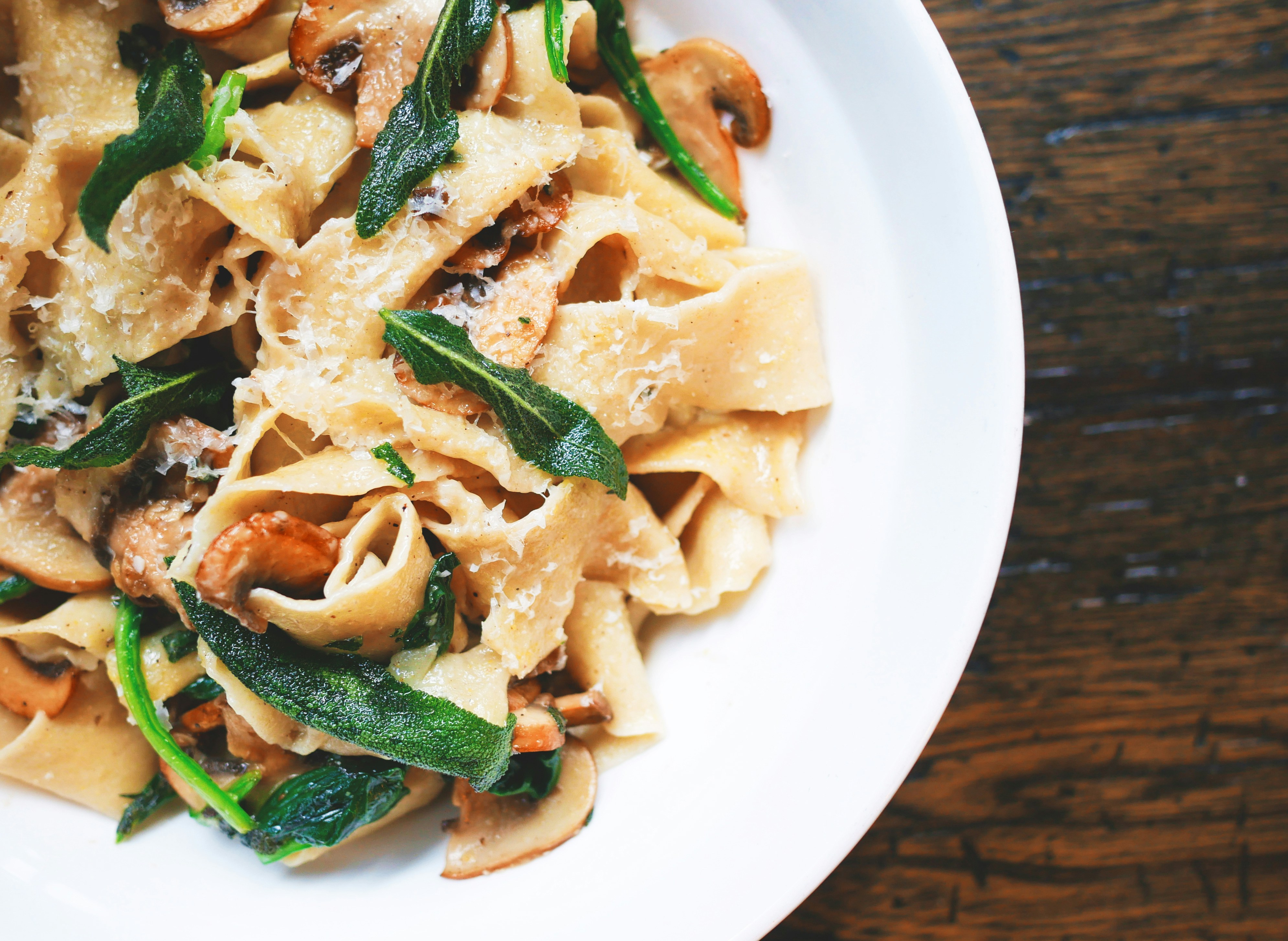
It is also worth asking about meals, since in remote areas dinner options may be limited, and a home-cooked table can become a highlight of the trip. Finally, consider the season. Spring brings green fields and blossom, summer favors a pool and long evenings, and autumn is the time for harvests and golden light.
Pairing Rural Stays With a Wider Journey
A rural stay works beautifully as a counterpoint within a longer itinerary. Many travelers spend a few days in a city, then retreat to the countryside to slow down, or they build an entire trip around one region and move between two or three small properties. Whichever approach you choose, the best rural hosts offer local knowledge that no guidebook can match, from the best viewpoint to the table worth booking.
Rural hospitality in Portugal shows that luxury can be defined by space, authenticity and care rather than by scale. Details, services and availability vary from property to property, so please confirm everything directly with each host before you book.