The Chaves thermal spa draws on one of the hottest natural springs in mainland Europe, in a border town about 12 kilometers from Spain that the Romans founded for its water. This guide covers what a visitor can actually do around that spring today: the historic bathing house, an outdoor pool circuit, a free Roman baths museum, a public drinking fountain and a protected pastry. It closes with practical notes on hours, booking and how to fit it all into one unhurried day.
The Chaves Thermal Spa and Its Roman Water
Chaves was called Aquae Flaviae when the Romans established it in the first century AD, and the name tells you why. The town sits on the Tâmega River in the Trás-os-Montes region, and its springs have been in use almost continuously ever since. The spa operator lists the water at 76°C, bicarbonate in type and rich in minerals, with a pH of 6.80 measured at 20°C. Older guides and tourism sources often quote about 73°C, so you will see both numbers in print. Either way, these are among the hottest springs on the mainland, and the water is brought down to bathing temperature before it reaches the pools.
Chaves rewards a slow visit because the thermal story is not confined to one building. The spa, the Roman excavation, the drinking fountain and the old bridge all sit within a short walk of one another, which makes the center easy to explore on foot.
Termas de Chaves: The Historic Balneário
The main facility, Termas de Chaves, stands at Largo Tito Flávio Vespasiano 1, and its balneário is where the town’s therapeutic tradition continues. According to the operator, the therapeutic season in 2026 runs from February 2 to December 30. The balneário reception is open Monday to Saturday from 9:00 to 12:30 and from 15:30 to 18:30, plus Sunday and holiday mornings. Treatments listed include jet showers, hydropressotherapy, lymphatic drainage, sauna and whirlpool baths, and the programs are built around musculoskeletal, respiratory and digestive indications. A medical consultation comes first for the therapeutic programs. For a lighter visit, the wellness side offers set programs such as Aquae Relax, which combines a steam chamber, a hydromassage bath and a full massage. The spa also sells a thermal dermocosmetic line under the Aquae name, with face and body moisturizers, a micellar water and a hand cream.
Aquae Salutem: Outdoor Thermal Pools in Chaves
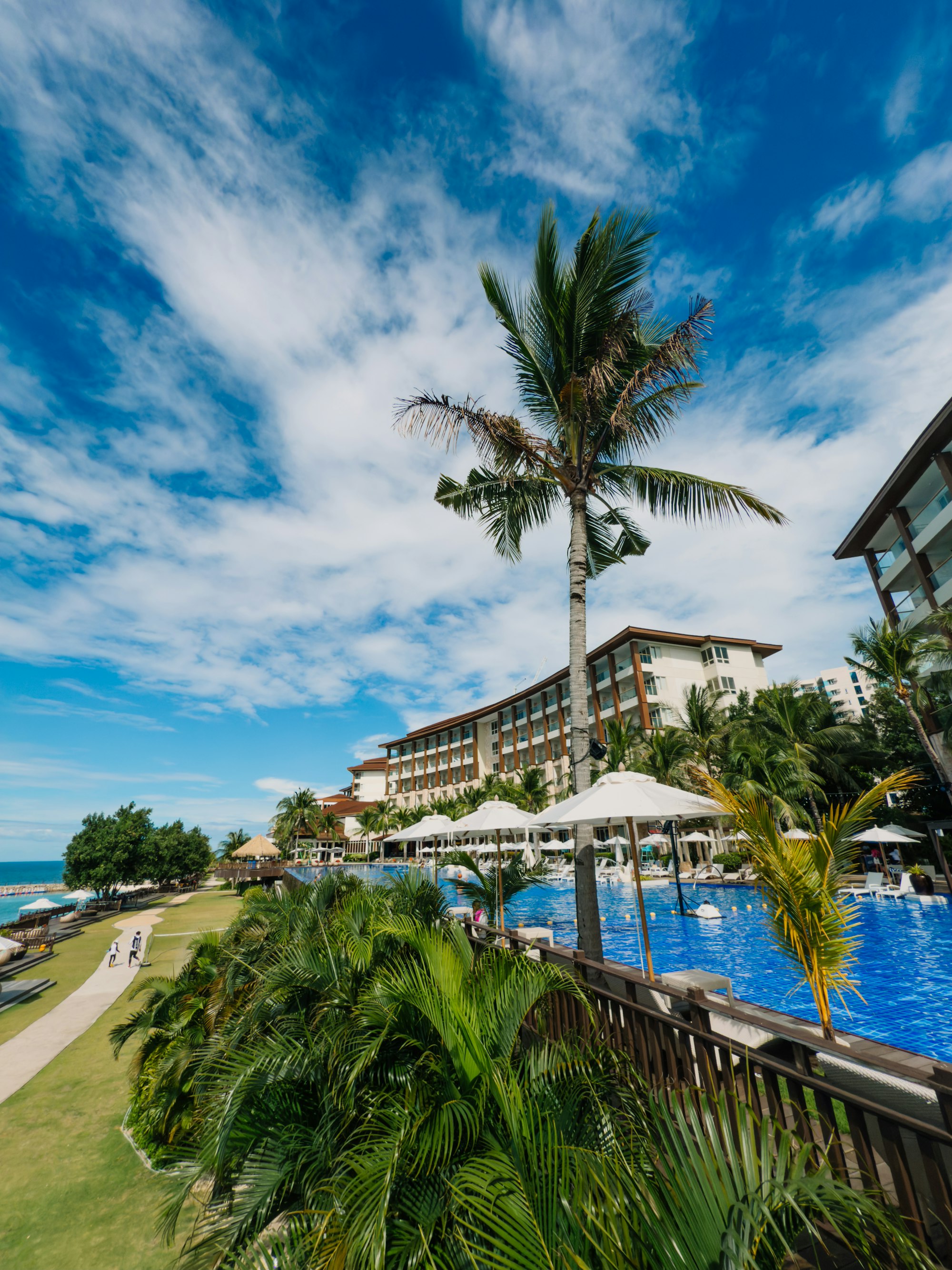
Next to the balneário, the Aquae Salutem complex is the part most travelers come for. It is described as the first outdoor thermal pool complex on the Portuguese mainland, and it opened on World Water Day, March 22. The hydrodynamic pools are naturally warm, between 30°C and 36°C, and about 1.20 meters deep. The circuit adds a sauna, a Turkish bath and sensory showers with sound effects and shifting temperatures, including an ice fountain. The complex holds 104 people at a time. Hours are daily from 9:30 to 12:30 and from 16:00 to 19:00, with an extra evening session from 20:00 to 23:00 on Fridays, Saturdays and the eve of holidays. Entry is open to guests aged 14 and over, with minors accompanied by an adult, and vouchers are sold at the spa and in its online shop. Bring swimwear, and plan on arriving a little early so you are not rushed at the lockers.
Chaves Roman Baths: A Free Museum Above the Source
The Museu das Termas Romanas, at Largo do Arrabalde, protects the excavated remains of the Roman bathing complex of Aquae Flaviae. The baths came to light by accident in 2006, when the city was digging foundations for an underground car park. The museum describes the complex as one of the largest and best preserved medicinal baths known in the Roman provinces of Hispania, a therapeutic complex rather than the everyday hygienic baths of an ordinary Roman town. It once covered about a fifth of the Roman city.
What you see is specific and surprisingly tactile. Pool A was roofed with a great brick barrel vault. Pool B was built directly over the springs, with steps all around and large stones at the bottom that once carried a wooden floor, so bathers would not burn their feet. A vaulted hall about 15 meters long served as the changing room, a long open courtyard offered a place to rest and talk, and a small monumental well beside the complex is dedicated to the Nymphs, the deities of water. Major renovations date from the Severan dynasty, in the late second and early third centuries.
Visits are free, according to the museum. It opens Tuesday to Sunday, from 9:30 to 13:00 and 14:30 to 18:00 between October and March, and from 10:00 to 13:00 and 14:30 to 18:30 between April and September. It closes on Mondays, January 1, Easter Sunday, May 1 and December 24 and 25. In June 2026 the museum announced that the site had reached the finalist stage of the 7 Wonders of Portugal selection.
A Walk Through Town: Fountain, Bridge and Pastel de Chaves
Before or after the pools, walk to the public drinking fountain in the garden beside the spa, known as the buvette. It serves Chaves thermal water for free, and the water arrives hot, so test a sip with care. Local visitors have long queued here with empty bottles, and some drop a tea bag or a sachet of instant coffee into the cup. Drinking the waters has always been part of Portuguese thermal culture, and a few minutes at this tap explains the habit better than a museum label.
A short walk away, the Roman bridge, the Ponte de Trajano, crosses the Tâmega. Guides date its completion to 104 AD and give its length as roughly 140 meters. Two granite columns stand at its center. They are replicas, and the originals are kept at the Museu da Região Flaviense on Praça de Camões. Until the 1950s this was the only bridge over the river in Chaves. Cross it on foot, then follow the tree-lined riverside promenade back toward the center for a view of the arches.
For lunch or a snack, look for Pastel de Chaves, a half-moon of puff pastry filled with seasoned minced veal. The pastry traces its roots to 1862 and has held European Protected Geographical Indication status since 2015, which means anything sold under the name must be made in the municipality of Chaves. Eat it warm, ideally with a coffee. For more flavors from the region, our guide to the smoked bread sausage of Mirandela covers another Trás-os-Montes specialty.
Chaves Thermal Spa Questions Answered
How hot is the water at the Chaves hot springs? The operator and the Roman baths museum both give 76°C at the source, while older sources cite about 73°C. The outdoor pools are kept between 30°C and 36°C.
Do I need a medical referral to use the outdoor pools? The Aquae Salutem circuit is a wellness experience, while the therapeutic programs at the balneário begin with a medical consultation. Ask the spa which option suits you.
What is the minimum age for Aquae Salutem? Guests must be 14 or older, and minors must be accompanied by an adult, so the complex is not planned around young children.
Is the Chaves Roman baths museum free? Yes, the museum states that visits are free. Remember that it is closed on Mondays.
Planning a Day or a Weekend in Chaves
Chaves is about 90 minutes by road from Porto, and the A24 motorway links it with Viseu and Coimbra. The bus station is roughly a ten-minute walk from the spa. One independent guide suggests staying overnight if the thermal pools are the goal, which also suits the Friday and Saturday evening sessions. A sensible order is the Roman baths in the morning, the fountain and a pastry at midday, and the outdoor pools in the late afternoon, when the 16:00 session begins. Bring swimwear and grip sandals, drink water between sessions and keep early soaks short. Anyone with a heart condition, low blood pressure or pregnancy should ask a doctor first. This article is general information, not medical advice.
Two other northern spa destinations make natural companions. Vidago, about 15 minutes by car, is covered in our guide to Vidago Thermal Park and Palace, and Pedras Salgadas Spa and Nature Park lies roughly 25 minutes away. Farther west, Termas do Gerês sits inside Peneda-Gerês National Park. Hours, seasons and booking rules change, so confirm details with each venue before you go.