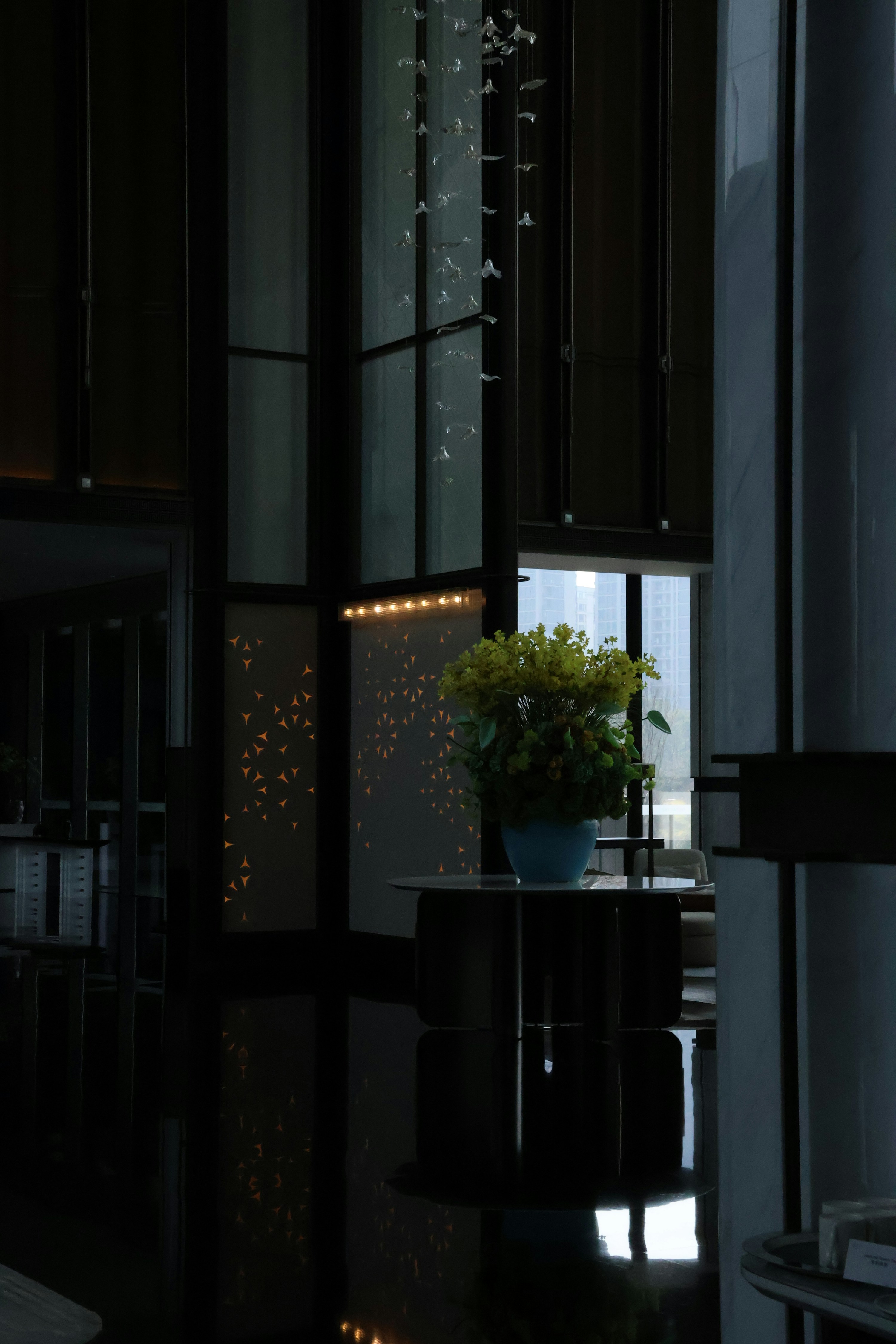
In the green hills of northern Portugal, between the Douro and the Spanish border, the Vidago thermal park offers a calm, old-fashioned kind of wellness. Surrounded by mountains and forest, the park and its century-old palace hotel belong to a long Portuguese tradition of thermal towns, places where visitors came to take the waters, walk among trees and rest. This guide to Vidago looks at the history of the palace, its setting and what a quiet spa stay in Trás-os-Montes can mean today.
A Royal Idea in the Hills
The Vidago Palace hotel was inaugurated on 6 October 1910. According to the hotel, King D. Carlos I wanted a luxury therapeutic spa with international reach, and the waters of the village were already considered of national interest. The thermal baths were the first reason guests came, and the quality of the waters gave the place its early reputation. More than a century later, the building still anchors the park as a five-star hotel with a modern spa.
The Thermal Park
The palace stands in the heart of the Vidago Thermal Park, which is described as typical of the early twentieth century, with groves, paths, trails and water mirrors. It is a landscape designed for slow walking, where the main activity is simply being outdoors among old trees. The hotel notes that a visitor access model has been introduced to protect the park, with part of the revenue supporting the local volunteer fire department, a small detail that speaks to the relationship between the park and the community around it.
The hotel also has a golf course designed by Philip Mackenzie Ross, and the spa and club house were designed by the architect Álvaro Siza Vieira. For guests with an interest in architecture, the contrast between the early twentieth-century palace and the contemporary spa buildings is part of the appeal.
What to Expect from a Spa Stay
A visit to a thermal town like Vidago is less about a list of treatments than about rhythm. Mornings might begin with a walk in the park, followed by time in the spa and a long, unhurried lunch. Afternoons are for reading, resting or exploring the surrounding countryside. This is wellness in the traditional European sense, rooted in water, air, quiet and routine rather than novelty.
Treatment menus and thermal facilities vary, and they can change from season to season, so please confirm current offerings and opening arrangements directly with the hotel before you travel.
The setting is part of the treatment, in the gentlest sense. Mountain air, the sound of water in the park and the long, quiet corridors of a palace built for rest all encourage a slower mood. Guests often find that the simplest pleasures, a bench beneath old trees or a pot of tea after a walk, become the memories they carry home. The park’s paths and trails make it easy to shape the day around your own energy, whether that means a long morning walk or an hour with a book.
Thermal tradition in Portugal is much older than the modern spa. Towns across the country grew around mineral springs, and visitors have long associated them with leisure, conversation and the pleasure of a change of scene. Vidago belongs to that story, and it offers a particularly refined version of it, one in which architecture, landscape and hospitality are closely aligned.
Getting There and Pairing the Journey
Vidago is about one hour from Porto and about fifteen minutes from the historic city of Chaves, which makes it practical to combine a spa stay with a visit to the north. Chaves offers a historic center worth an unhurried afternoon, and the wider Trás-os-Montes region is known for its mountain landscapes and traditional food. Travelers who enjoy a slower itinerary may find that two or three nights here make a natural pause between Porto and the Douro.
For a longer journey, the north of Portugal rewards patient travel. From Vidago, it is possible to continue toward the Douro, or to return toward the coast through the Minho, linking mountain quiet with vineyards and river views. A spa stay at the start or the end of such a route gives the whole trip a calmer shape.
Why Portugal’s Thermal Towns Still Matter
Portugal’s thermal towns offer something that is increasingly rare: places where the design of the landscape, the architecture and the daily routine all point toward rest. Vidago is a graceful example, a place where a royal vision of a century ago continues to shape how guests spend their time. For readers exploring Portuguese wellness, it is a reminder that the most restorative journeys are often the quietest.
Please note that this article is for general interest only and is not medical advice. Anyone with a health concern should consult a qualified professional before beginning any spa or thermal program, and should confirm details with the venue directly.