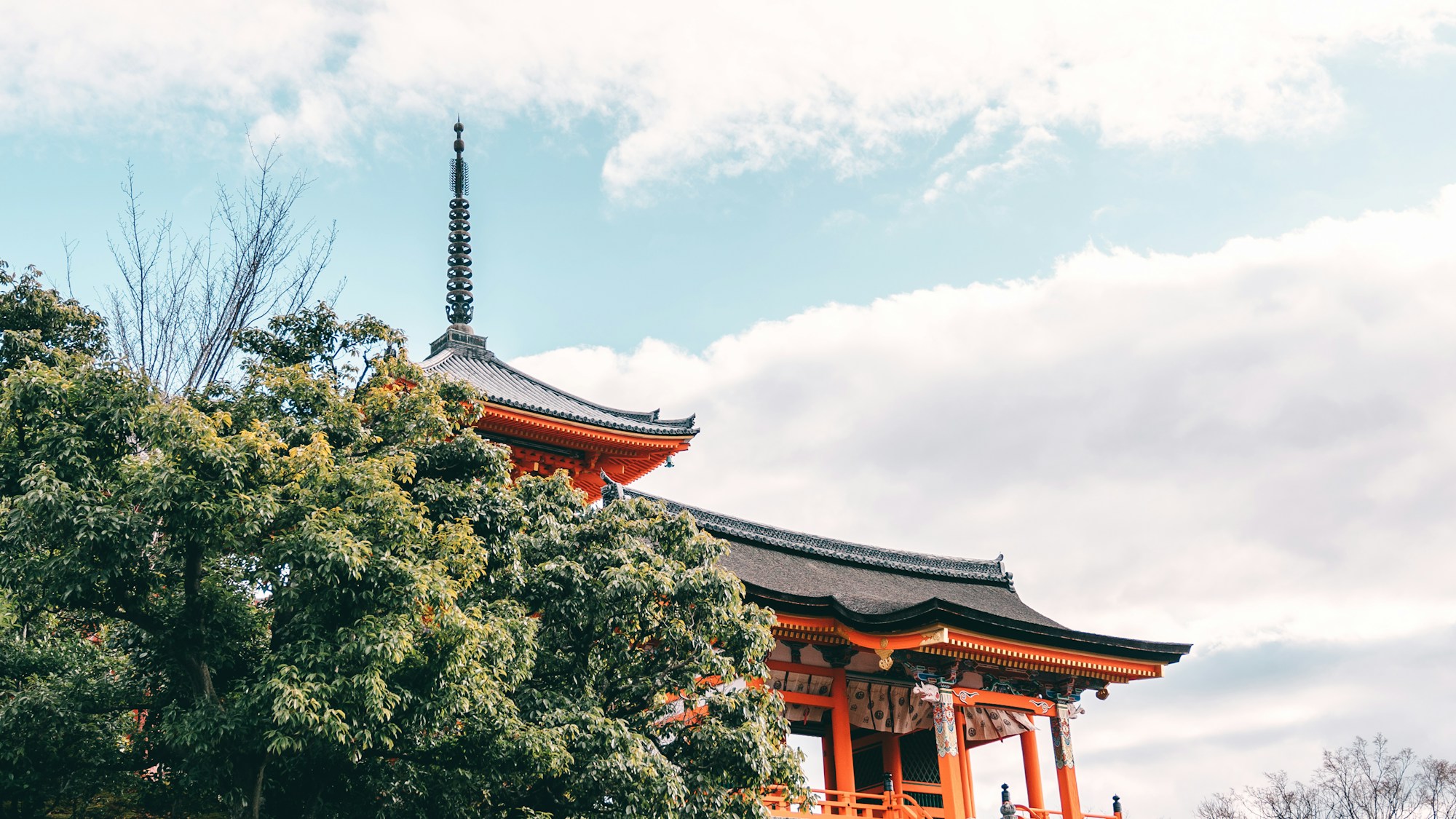
Few seasons reward patience as generously as autumn in Kyoto. For a few weeks each year the maples of the old capital turn from amber to deep crimson, and the city’s temples, gardens and hillsides take on a glow that has drawn visitors for centuries. The most rewarding way to see it is slowly, with a plan that leaves room for stillness.
That patience is fitting for a city of such depth. Kyoto was founded in 794, modeled on the ancient capitals of China, and it remained Japan’s imperial capital until the middle of the 19th century, serving for more than a thousand years as the center of Japanese culture. UNESCO’s inscription of the Historic Monuments of Ancient Kyoto covers 17 component parts, with 198 buildings and 12 gardens, most built or designed between the 10th and 17th centuries, and it recognizes the art of the Japanese garden that evolved here.
When to Go
Timing is the first consideration. Forecasters expect the 2026 colors to arrive later than in some recent years, with the best of the foliage most likely in the second half of November. One seasonal forecast points to the Arashiyama district around 20 to 25 November and the Higashiyama temples a day or so later, while a few sites, such as Kennin-ji, may peak into early December. Forecasts shift from week to week, so check the latest spot-by-spot predictions before you fix your dates.
Tofukuji and Eikando
Tofukuji is the name most often associated with Kyoto’s autumn. Its Tsutenkyo bridge looks out over roughly two thousand maples, and the view from the span is among the city’s best known. Tour groups tend to gather by mid-morning, so arriving shortly after the gates open rewards you with softer light and room to breathe.
The temple has a long and distinguished history. It was founded in 1236 by the imperial chancellor Kujo Michiie, who appointed the monk Enni as its founding priest, and it is one of the Kyoto Gozan, the five great Zen temples of the city. Its main gate is the oldest sanmon in Japan and a National Treasure. Beyond the maples, the gardens designed by Mirei Shigemori in 1939 reward a slower look, and the moss garden is especially admired. Inside the temple hangs a painting of the Buddha on his deathbed, measuring 7 by 14 meters, the second largest of its kind in Japan.
Eikando, by contrast, is a temple of reflections. Its pond doubles the red of the trees, and in the evening, during the illumination period, the grounds are lit after dark. Daytime and evening visits are usually ticketed separately, so plan them as two distinct experiences rather than one long afternoon.
The temple’s story reaches back to 853, when the monk Shinsho acquired the site, and it later became devoted to the Jodo school of Buddhism. Look for the Mikaeri Amida, a wooden statue about 77 centimeters tall that gazes back over its shoulder rather than straight ahead, a gesture that has become one of the temple’s most affecting images. The Taho-to tower, completed in 1928 at the highest point of the grounds, offers the best view over the autumn canopy, while the Founder’s Hall, completed in 1912, enshrines Honen, a founder of the Jodo school.
Dawn in the Hills
Kiyomizu-dera opens early, and those who arrive at first light often find its famous wooden stage quiet before the crowds build. Further west, Arashiyama is at its most atmospheric before the day-trippers arrive: the Togetsukyo bridge, the bamboo grove and the grand garden of Tenryu-ji all reward an early start, with Tenryu-ji generally among the first sites in the area to turn.
Evenings and Pace
Several of Kyoto’s temples open their gardens after dark in late autumn. The Higashiyama group, including Kiyomizu-dera and Kodai-ji, lies within walking distance, which makes it easy to combine two or three in a single evening. Other illuminated sites sit across the city, so it is wiser to choose one area per night than to chase them all.
Lunch is best taken a little outside the usual hours, and a leisurely pace suits the season better than a checklist. Many travelers find that one temple at dawn, a long lunch, and one illumination after dusk is richer than a full day of queues.
It also helps to remember that the maples are only one part of what Kyoto offers at this time of year. Eight of the gardens within the UNESCO inscription are designated Special Places of Scenic Beauty, and the quiet of a garden courtyard in the late afternoon, when the light lowers and the crowds thin, can be as memorable as any famous view.
Planning Well
Kyoto in peak foliage is among the busiest times of the Japanese travel calendar, so book accommodation well in advance, and reserve any experiences that require timed entry, such as scenic railway journeys. Opening hours, illumination dates and ticketing change from year to year, so please confirm details directly with each temple before you travel.