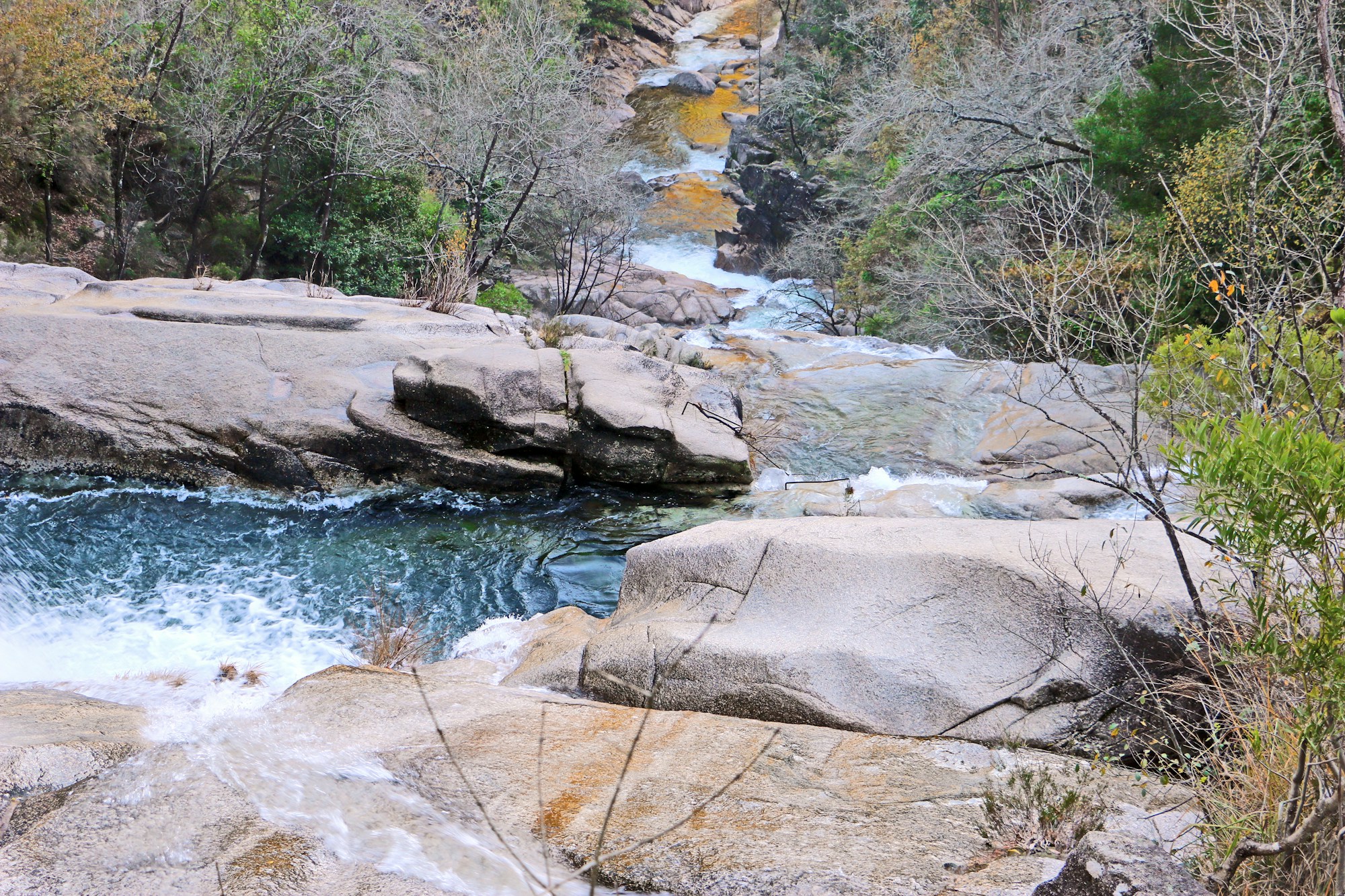
In the far north of Portugal, along the border with Galicia, granite mountains rise above deep valleys filled with oak and holly forests, clear rivers and tumbling waterfalls. This is Peneda-Gerês, Portugal’s only national park, established in 1971. Its wild beauty and sense of remoteness make it one of the most restorative places in the country, ideal for travelers seeking wellness rooted in nature rather than in a treatment room.
The Healing Power of the Forest
The practice of forest bathing, a gentle, mindful immersion in woodland, has gained followers around the world, and Peneda-Gerês is a natural setting for it. Walking slowly beneath ancient oaks, listening to running water, breathing the scent of moss and pine, and simply paying attention to the senses can leave you feeling calmer and more rested. Many guests find that a few days in the park, away from screens and noise, does more for their wellbeing than any formal program.
Water Everywhere
Water defines the park. Waterfalls such as Cascata do Arado and the pools of Tahiti fall into clear, cold granite basins that are irresistible on warm days. Rivers wind through the valleys and feed large reservoirs. The village of Gerês itself grew around thermal springs that have been used for their therapeutic properties since Roman times, and its historic spa remains a reason to visit. A swim in a mountain pool followed by a soak in warm thermal water is a wonderful contrast.
Villages Frozen in Time
Scattered through the park are traditional granite villages where life still follows the rhythm of the seasons. In places such as Soajo and Lindoso, groups of espigueiros, raised stone granaries topped with crosses, stand on rocky outcrops. In others, community traditions of shared grazing and farming have survived for centuries. Wild Garrano ponies, long-horned cattle and, more rarely, wolves and golden eagles inhabit the hills. Walking between villages on old stone paths connects you to a way of life that feels deeply grounded.
Where to Stay
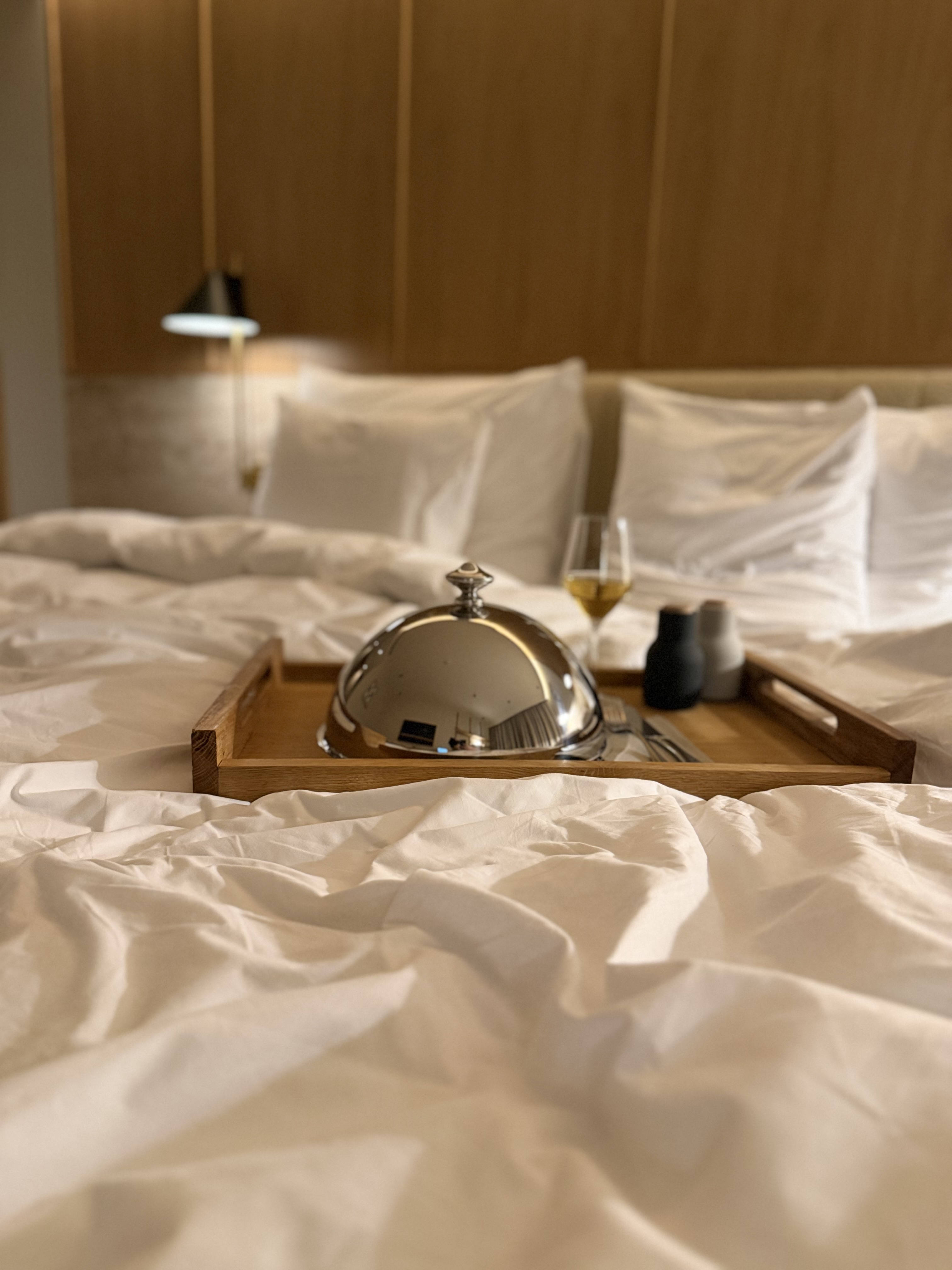
The region offers a growing number of thoughtful places to stay, from restored stone houses in mountain villages to small nature lodges and rural hotels with spas, pools and views over the valleys. The best combine comfort with a light touch: local materials, simple and generous food, and staff who know the trails and can arrange guided walks, yoga, massages or picnics by the river. Choose somewhere quiet and close to the forest, and let the landscape set the pace.
The Mountain Table
The cuisine of the Minho and Trás-os-Montes is hearty and honest. Expect slow-roasted kid and veal from local breeds, smoked sausages, river trout, chestnuts in autumn, rye bread and honey. Pair it with a glass of vinho verde from the lowlands nearby. After a day outdoors, a simple meal by a wood fire in a stone house is a quiet luxury of its own.
When to Visit
Spring brings rushing waterfalls and fresh green forests. Summer is ideal for wild swimming, though popular spots can be busy on weekends. Autumn is perhaps the most beautiful season, when the oaks and chestnuts turn gold and copper and the air smells of woodsmoke. Winter is quiet and atmospheric, sometimes with snow on the high peaks. In every season, respect the park’s rules, stay on marked trails in protected areas and leave no trace, so that this remarkable wilderness keeps its restorative magic.