
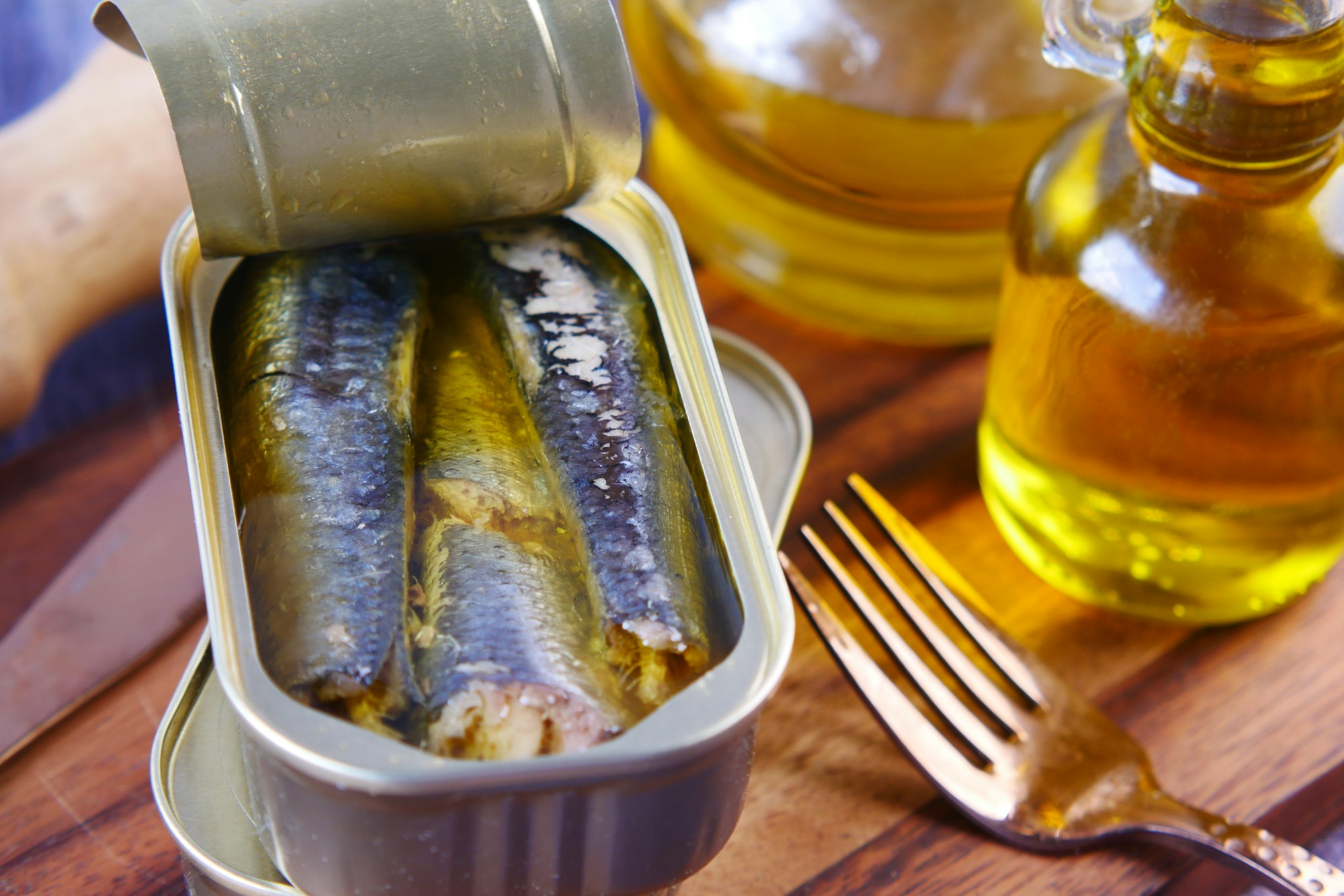
Few objects say Portugal as plainly as a flat, brightly wrapped tin of sardines. Once an everyday pantry item, the humble conserva has become something closer to a souvenir of taste: collected, gifted and, increasingly, served on a proper plate with good bread and a glass of something cold. Behind the nostalgic packaging lies a long industrial story, and a revival that has changed how Portuguese seafood is seen abroad.
A craft with deep roots
The principle of preserving food by heating it in sealed containers emerged in early nineteenth-century France, and Portugal’s first fish canneries followed by the middle of that century. Conservas Ramirez, widely described as the country’s oldest canning company, has operated since 1853 from Vila Real de Santo António in the Algarve, a town sometimes called the cradle of the sector. The firm began exporting at the start of the twentieth century, and it still sells today in Portugal and dozens of international markets.
Boom, decline and survival
The industry peaked in the early twentieth century, when wartime demand pushed production to its height. Around 1920, Portugal counted more than 400 canning factories. Communities such as Matosinhos, near Porto, lived by the trade for generations, supporting fishermen, can makers and solderers. After the Second World War, lost export markets and fish shortages thinned the field dramatically, and by one industry estimate only about twenty factories remain. Those that survived did so by holding to quality and, in some cases, to family ownership. Pinhais, in Matosinhos, has been producing since 1920.
Pinhais is a good example of how much of the craft remains in human hands. Its work is done by hand by an all-female workforce, from preparing the sardines to applying the retro-style labels. The tins hold sardines or mackerel in olive oil or tomato sauce, and the spicy versions add bay leaf, peppercorns, cloves, pickled carrot and cucumber, with a salt-cured chili tucked into each tin. In Matosinhos, where the company once counted dozens of competitors, it is described as the last of the town’s canneries.
The modern revival
Since around 2014, a new generation of brands and retailers has reintroduced the conserva as a gourmet product. Recipes have grown more inventive, and the packaging, once purely functional, is now celebrated for its color and graphic charm. Specialty shops such as Loja das Conservas, with branches in Lisbon and Porto, present the tins like a well-stocked library, and canned fish has appeared in restaurants and even in airport shops. Some historic producers have also opened their doors: Pinhais began offering guided visits of its old Matosinhos building in 2019, a rare chance to see how the work is done.
Visitors can book guided tours of the Pinhais factory in advance. On the ground floor a small shop sells tins and branded keepsakes, and upstairs a café serves tinned fish with bread and vinho verde, which is precisely the kind of simple, well-judged pairing the conserva deserves.
A summer ritual
In Portugal the sardine is tied to the calendar. Each June the Santos Populares festivities fill Lisbon and Porto with the scent of charcoal and grilled sardines. Lisbon’s main celebrations fall around June 12, with the festival of Saint Anthony on June 13, and Porto marks São João on June 23. A tin is, in a sense, a way of carrying that summer evening home, a small portable memory of a street party.
Sardines have long been a cultural motif as well. The nineteenth-century ceramicist Rafael Bordalo Pinheiro gave them a place in his playful pottery, and the company that carries on his name still operates, while the fado singer Amália Rodrigues mentioned them in her songs. They belong as much to the country’s imagination as to its pantry.
How to enjoy a tin well
The pleasure of a conserva lies in restraint. Open it at room temperature, keep the garnishes simple, and let the fish lead. Good bread, ripe tomato, a squeeze of lemon and perhaps a little pickled pepper are enough. Sardines, mackerel, tuna and cockles each have their own personality, and the quality of the oil or sauce matters as much as the fish itself. Vintage-style tins also make elegant gifts, which may explain why so many travelers leave Lisbon with a bag that clinks.
Care for the sea is part of the story today. The sardine population has been declining, mainly because of climate change and overfishing, and the industry and its customers have been turning to alternatives such as carapau, or horse mackerel, and cavala, or chub mackerel. Choosing a tin of mackerel alongside the sardines is a pleasant way to taste the range of the Portuguese coast.
Producers, shops and guided tours change their offerings over time, so we recommend confirming opening hours and visit details directly with each venue before planning a trip around them.
In a country that has always lived by its coastline, the tin is a small, portable piece of that story. It is also proof that heritage, handled with care and a good eye for design, can feel entirely contemporary.