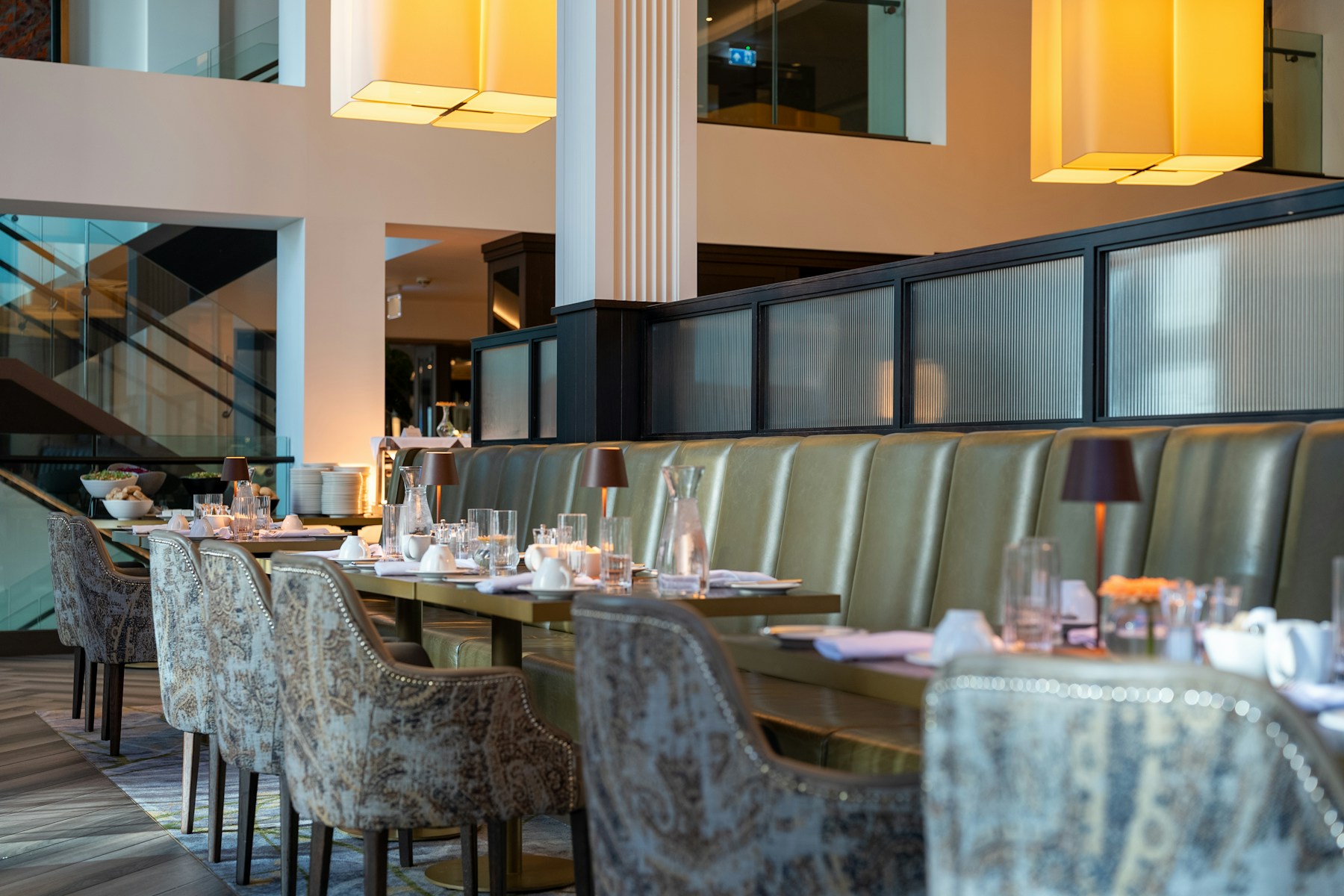
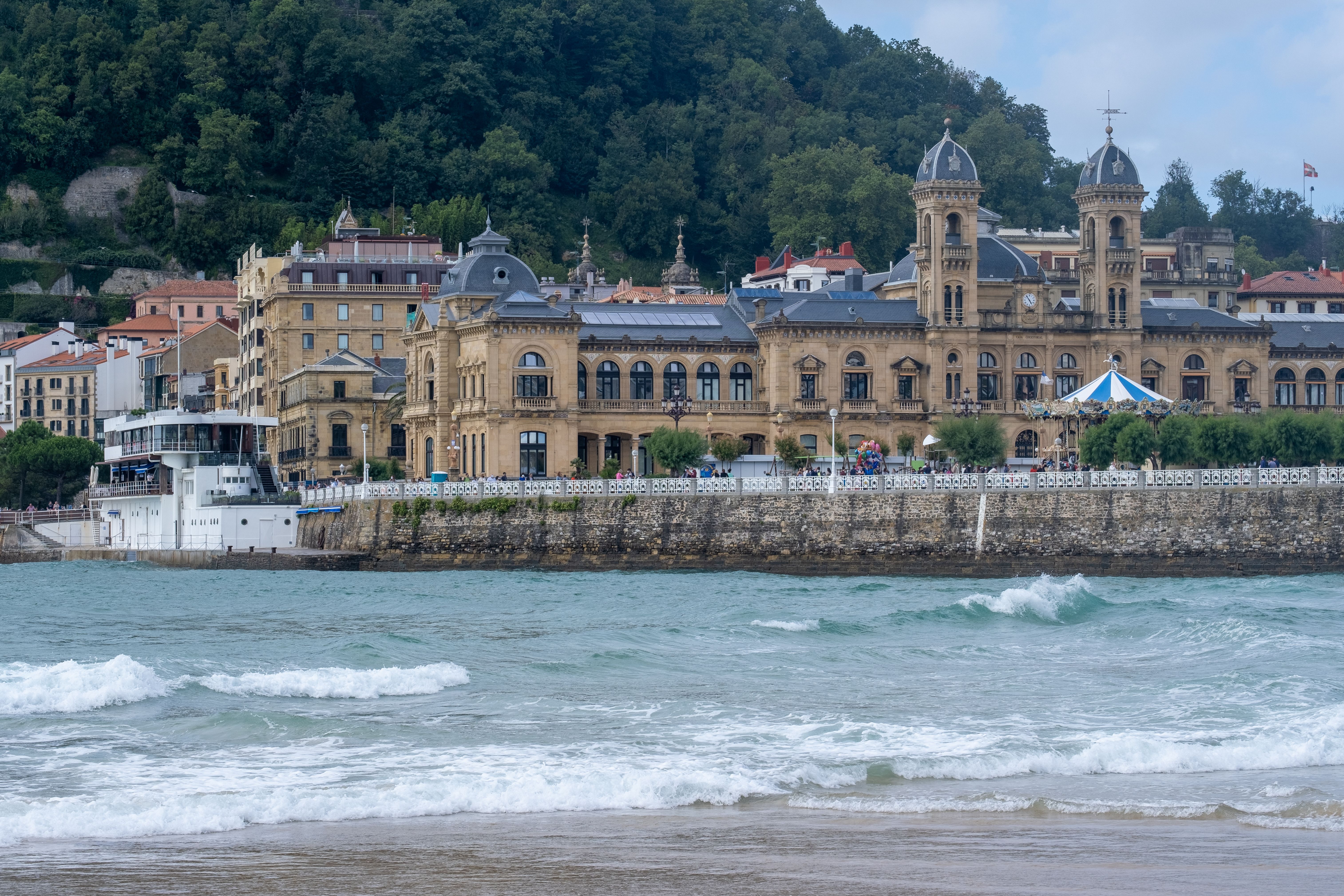
San Sebastián wears its reputation lightly. On a crescent bay in northern Spain, a seafront promenade curves above the sand while, in the old town below, plates of pintxos cross the bar at a pace that has not changed in decades. Yet beneath the ease lies serious ambition: the city’s tourism office notes that 19 Michelin stars lie within 25 kilometers of City Hall, a concentration it says is exceeded only by Kyoto, Japan.
For the traveler who plans journeys around the table, autumn is a gracious moment to arrive. Here is how to approach it.
A City Built Around Its Bay
The bay is La Concha, one of three beaches in the city alongside Ondarreta and Zurriola. At its western tip stands the Comb of the Winds, the landmark by Eduardo Chillida and Luis Peña Ganchegui, while the hill of Igeldo overlooks the water from the west. A morning walk here, with the sea on one side and the city on the other, is the gentlest possible preparation for a day of eating.
The old town, known as the Parte Vieja, was walled until 1863, and most of its present buildings date from the reconstruction that followed 1813, when the town was burned. It is centered on the churches of Santa Maria and San Vicente, and it is here that the bar-to-bar rhythm of the pintxo tradition feels most at home.
The Three-Star Houses
The great names of the region are rooted in family and place. Arzak, led by Juan Mari Arzak and his daughter Elena, occupies a house built in 1897. Akelarre, under chef Pedro Subijana, sits on the slope of Mount Igueldo above the sea, and added a hotel with spa in 2017. Subijana and Juan Mari Arzak are credited with leading the New Basque Cuisine movement of the 1970s. Martín Berasategui, which opened in 1993 a short drive from the city, completes the trio of three-star addresses.
Tables at this level are booked well ahead, so reserve before settling the rest of the itinerary.
Creativity Beyond the Stars
Two-star Mugaritz, opened in 1998 by Andoni Aduriz and holding two stars since 2006, sits in the countryside between Astigarraga and Rentería, where the menu of more than twenty dishes changes through the year. In the Hotel María Cristina, Amelia, led by chef Paulo Airaudo, offers an intimate, seasonal tasting menu in a very different register.
Among the one-star addresses, Kokotxa shares the old town with the port, Itzuli is built around personal stories and memory, and Ibai cooks with produce bought daily at the Donostia markets.
The Pintxo Tradition
Between the grand tables, the pintxo bars tell a more everyday story. The word comes from the Spanish for spike, and a pintxo is typically a small slice of bread topped with one or more ingredients and fastened with a toothpick. Hake, cod and anchovy, tortilla de patatas, stuffed peppers and croquettes are all classic choices. Pintxos are ordered and paid for individually, usually alongside a small glass of txakoli, the young white wine, or a zurito of beer.
What matters most is the pace. Friends move from one tavern to the next, a glass and a pintxo in each, and the evening becomes a conversation across the old town rather than a single sitting. It is a deeply sociable way to eat.
A Culture of Cooking
The city’s devotion to food extends well beyond its restaurants. San Sebastián is the birthplace of the Basque gastronomic societies, known as txokos, whose members cook elaborate, mostly seafood meals for themselves, and the oldest recorded mention of one dates to 1870. It is also home to the Basque Culinary Center, the first institution to offer a university degree in gastronomy. Taken together, they explain why the table here feels less like a trend than an inheritance.
Fire, Fish and Farmhouse
Not every memorable meal comes with a tasting menu. Elkano, a family restaurant founded in 1964, is known for grilled fish and seafood and does not offer tasting menus at all. Its appeal lies in simplicity and the confidence to let a very good fish speak for itself.
For a quieter, greener experience, look to the Green Michelin Star recipients. Ama pairs Basque tradition with creative touches and a clear commitment to sustainability, while Zelai Txiki is run by Eva Hernández and Juan Carlos Caro in a century-old farmhouse on the slopes of Ulía. Hika, from chef Roberto Ruiz, offers traditional rural Basque cooking among vineyards and mountains.
Planning the Days
Balance is the secret. Pair one landmark dinner with long, unhurried lunches, and leave evenings open for the pintxo bars of the old town. Walk the bay in the morning, and allow a day for the countryside restaurants, which reward the short journey.
The climate is oceanic, with an average temperature of about 21.5 degrees Celsius in August and about 8.9 in January, and a good deal of rain across the year, so a light waterproof layer is a sensible companion even in the gentler seasons. The city also hosts its international film festival each September, when the Kursaal Palace and the Victoria Eugenia Theatre are at the center of the city’s attention, so it is wise to book early if your plans overlap.
Michelin ratings, menus and opening hours change from year to year, so please confirm details directly with each restaurant before you travel.