
Two hours of road and a change of tempo separate Lisbon from Comporta. The drive south crosses the Sado estuary country, and by the time the pines thicken and the first white storks appear on lamp posts and chimney stacks, the city has already begun to loosen its grip. This is the southern edge of the Alentejo Litoral, on the Tróia-Comporta peninsula, and it rewards travelers who arrive without a long list.
A landscape of rice and resin
What sets Comporta apart is its geography. Rice has been grown on the low-lying land along the Sado for roughly a century, and a cooperative still farms it, so the paddies that frame the village are working fields rather than scenery. Around them stand cork oak, maritime pine and stone pine, and beyond them runs about 60 kilometers of Atlantic sand. Part of the surrounding estuary is protected as the Sado Estuary Nature Reserve, and local voices often credit strict building limits with keeping the coast so uncluttered.
The village sits at the base of the Tróia peninsula, on the southern bank of the Sado estuary, within the municipality of Alcácer do Sal. Commercial rice farming has been important here since 1925, when the Herdade da Comporta began promoting rice under the Comporta name, and the fields still define the view. The Sado Estuary Nature Reserve was established in 1980 and covers roughly 240 square kilometers, and the estuary was later designated a Ramsar wetland in 1996. Grey herons, storks and flamingos are among the birds that feed in its waters, which gives a quiet walk at the edge of the paddies an unexpected richness.
Within the reserve lies the Port of Carrasqueira, a fishing dock built on stilts above the water. Its wooden structure reaching out over the estuary is a gentle reminder that this was a fishing and farming landscape long before it became a place to unwind.
Why the shoulder season suits it
Summer is the peak, and the village responds accordingly. Several guides, however, single out late September and early October as the sweet spot: quieter beaches, softer light and mild enough weather for a day on the sand. The Atlantic stays brisk whatever the month, so think long walks and slow lunches rather than endurance swimming. The three beaches nearest the village, Comporta, Carvalhal and Pego, each have their own temperament, with Pego often described as the quietest of the café-backed stretches. Wilder shores such as Torre and Brejos are reached from the N261 and reward a little effort.
Comporta beach, with its white sand and blue water, is reached by a dirt road that runs from the EN 261, and it has been awarded the Blue Flag. The approach itself is part of the pleasure, a country track that gives way to the long, open line of the Atlantic. In the quieter weeks, that horizon is far easier to enjoy at an unhurried pace.
Where to stay and where to eat
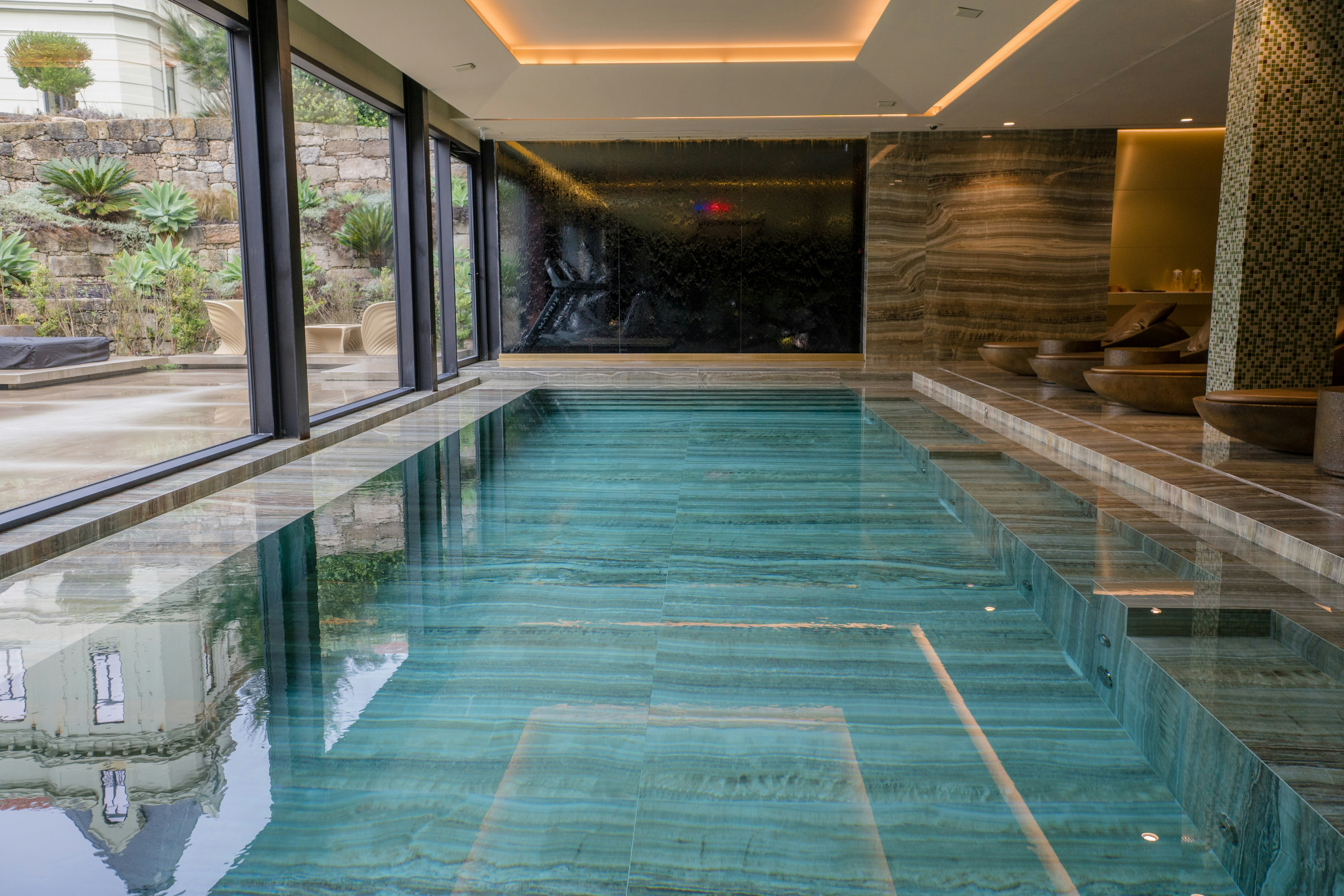
The accommodation leans toward the discreet. Sublime Comporta, a five-star property that opened in 2014, set the tone with its pine-and-cork setting, and Quinta da Comporta, Spatia Comporta and the village’s AlmaLusa each offer a different register, from wellness-minded to walkable. At the table, the region’s produce does the talking. Sado, a contemporary restaurant overlooking the ria and the rice fields, builds its menu around local and seasonal ingredients, while Dona Bia is often described as a family-run institution for traditional cooking. On the sand at Carvalhal, Sal keeps things casual with fresh fish. Shellfish is central to the local economy, and it shows.
Beyond the beach
Between meals, the village itself repays a wander. The Casa da Cultura, a converted rice barn and former cinema, gathers local makers and artisans under one roof, and the small Rice Museum tells the story of the crop that shaped the place. Horse riding on the beach, surf lessons and a round at Dunas de Comporta are all available for those who want a more active day. Boat outings on the Sado estuary offer a different view of the same coast, with dolphin sightings possible.
The estuary is best understood slowly. Seen from the water, the low banks, the reed edges and the stilted wooden piers of the old fishing docks reveal the other side of Comporta, one shaped by tides rather than by tourism. It is worth setting aside a morning for it, especially in the softer light of early autumn.
Practical notes
Plan on a rental car, since taxis are scarce and public transport is infrequent. The drive from Lisbon’s airport takes about 80 minutes, and roughly an hour from the city center. Three nights pair neatly with a Lisbon stay, while a week suits a true beach break. The rice paddies attract mosquitoes in the evenings, so pack repellent. Openings, menus and seasonal hours change from year to year, so please confirm details directly with each hotel and restaurant before you travel.
Comporta is not a place that performs for its visitors. Its appeal is the opposite: wide horizons, good food, and the permission to do very little, beautifully.