
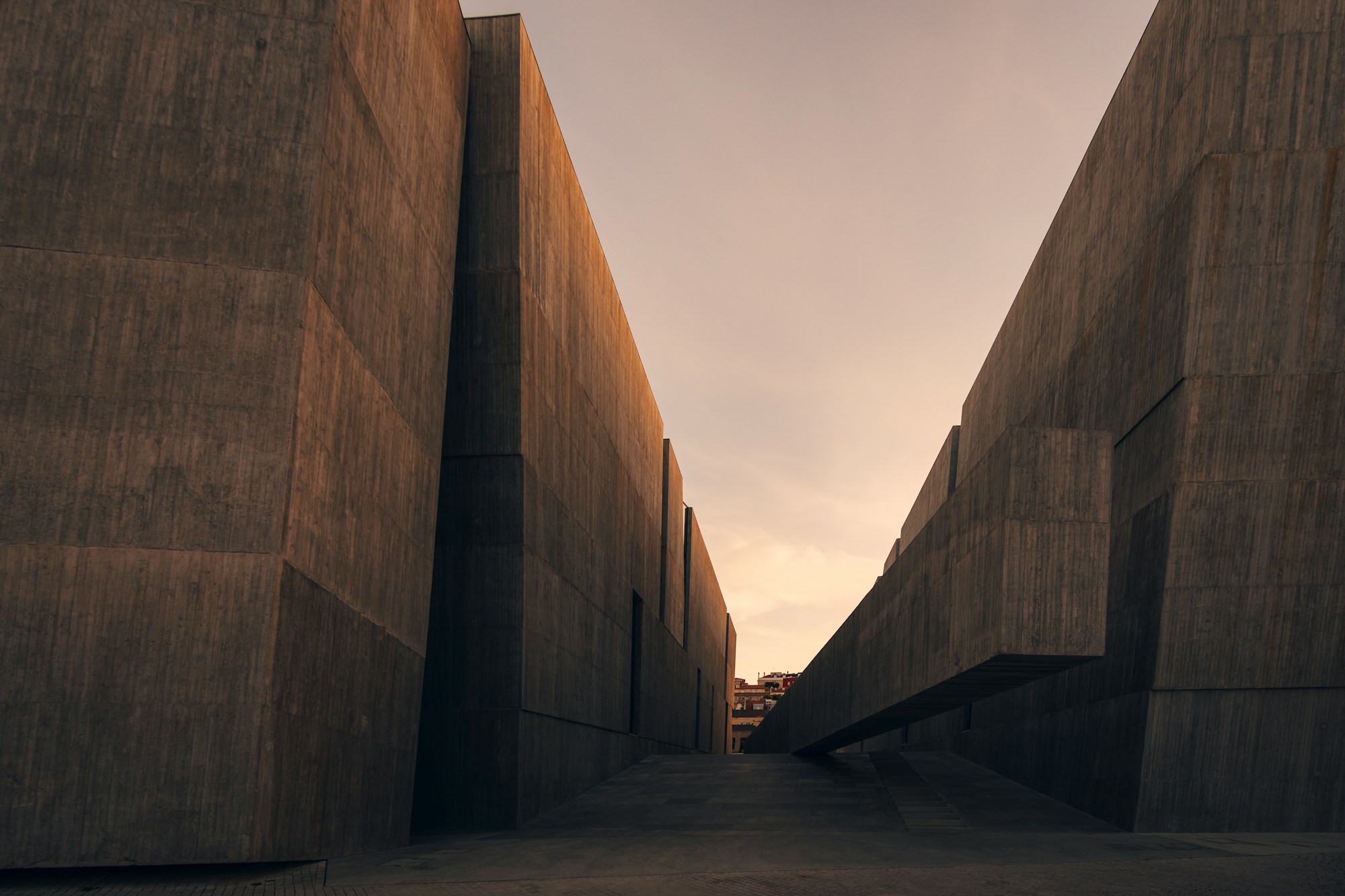
Portugal has one of the most respected architectural cultures in the world. Two Portuguese architects have received the Pritzker Prize, the field’s highest honour, and the so-called Porto school has influenced generations of designers with its sensitivity to light, landscape and material. This heritage is increasingly visible in the country’s luxury hotels, where architecture is not simply a backdrop but part of the experience and the story.
Light and Restraint
Portuguese contemporary architecture is known for its restraint: clean lines, pared-back forms and careful attention to how natural light moves through a space during the day. In hospitality, this translates into rooms that feel calm and generous rather than crowded with decoration. A single window framing a vineyard, a narrow skylight washing a white wall in afternoon sun, or a long corridor opening onto the ocean can create emotion more powerfully than any chandelier.
Materials of the Land
The most memorable Portuguese hotels use materials drawn from their surroundings. Granite in the north, schist in the Douro and the interior, marble from Estremoz, limestone from the centre, cork from the Alentejo, terracotta, timber and lime-washed walls. Azulejo tiles appear in contemporary as well as historic forms. These materials age gracefully, connect a building to its region and give guests a tactile sense of place, from the cool stone underfoot to the warmth of cork and wood.
Giving New Life to Old Buildings
Portugal’s tradition of adapting historic buildings into hotels dates back decades and has only grown more sophisticated. Convents, monasteries, palaces, wine estates, factories and townhouses have been transformed into places to stay, with contemporary interventions that respect the original structure while adding comfort and light. The best of these projects let the layers of history remain legible: an old stone wall left exposed, a cloister turned into a garden, a factory chimney preserved as a landmark.
The Courtyard and the Landscape
Inherited from Roman, Moorish and monastic traditions, the courtyard remains one of the most powerful devices in Portuguese architecture. It creates shade, privacy and a sense of retreat. In rural hotels, buildings often sit low in the landscape, following the contours of the land rather than dominating it. Pools are designed as extensions of terraces or as long, quiet mirrors of the sky, and gardens use native plants that need little water.
Design as a Brand Story
For hotels, architecture is one of the most compelling stories they can tell, and one of the most visual. Communicating it well means showing spaces in natural light and at different times of day, explaining the ideas and materials behind the design, and highlighting the dialogue between old and new. Architectural photography, interviews with the designers, and editorial features in design and travel media help attract guests who value thoughtful spaces and are willing to travel for them.
Why It Matters
In a market where many luxury hotels can feel interchangeable, architecture rooted in place offers true distinction. Portugal’s design heritage gives its hotels a voice that is calm, honest and deeply connected to the landscape. For guests, it creates memories that linger long after the stay: the light in a room, the texture of a wall, the view through a single, perfectly placed window. That is hospitality expressed through design, and it is one of Portugal’s quiet strengths.


