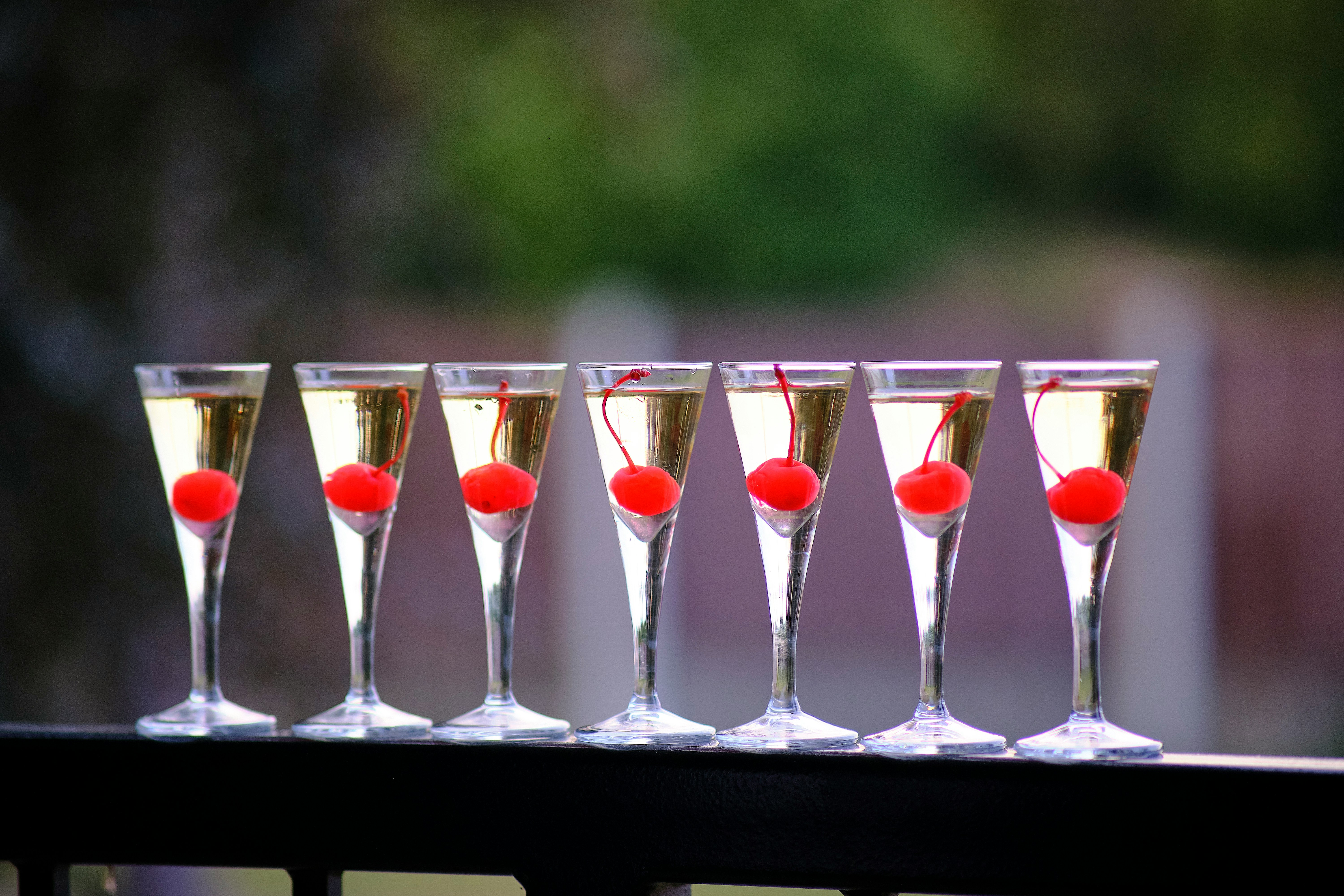
Few Lisbon rituals are as brief, or as memorable, as a glass of ginjinha. Served in a tiny glass at a narrow counter, this sour-cherry liqueur has been part of the city’s daily life for generations. If you are searching for what ginjinha is and where to try it in Lisbon, the answer begins with a small fruit, a strong spirit and a very friendly question from the person behind the bar.
What Is Ginjinha?
Ginjinha, also called ginja, is a Portuguese liqueur made by infusing ginja berries in aguardente, a Portuguese grape brandy, with sugar and often spices such as cinnamon and cloves. The ginja is a sour cherry, known botanically as Prunus cerasus austera and often compared to the Morello cherry. Its tartness is what gives the liqueur its character: sweet on the tongue, with a bright, slightly bitter edge.
Lisbon guides commonly cite a strength of roughly 18 to 24 percent alcohol by volume, so it is a drink for savoring in small measures, not a long pour.
The cherries behind the drink have a geography of their own. Óbidos and Alcobaça are both known for ginja made from local sour cherries, and growers there applied in 2013 for protected geographical indication status for the fruit. Farther inland, the ginja of the Serra da Estrela, centered on Covilhã, holds protected designation of origin status. In other words, a single small glass at a Lisbon counter can carry the taste of several distinct regions.
A Short History at Largo de São Domingos
The traditional story places the beginnings of Lisbon’s ginjinha bar culture in 1840, when Francisco Espinheira, a Galician immigrant who kept a grocery on Largo de São Domingos, began making the liqueur after a friar’s suggestion. His shop, A Ginjinha, still stands on the square near Rossio and remains devoted to one thing only. Accounts of the shop say it has been run by his family across generations, which is part of its charm.
Nearby, on Rua das Portas de Santo Antão, Ginjinha Sem Rival has operated for well over a century and is recognized by the Lisbon municipality as a historic shop. Visiting both in one stroll is a pleasing way to compare two neighboring interpretations of the same tradition.
Published sources date Ginjinha Sem Rival to 1890, which means both counters have poured the same sour-cherry liqueur since the nineteenth century. To stand in either is to stand in a room that exists for a single purpose, and that clarity of focus is a large part of the pleasure.
How to Order: Com Elas or Sem Elas
At the counter, you will likely be asked, “Com elas ou sem elas?” The question means, with or without the cherries. “Com elas” brings a whole cherry soaked in the liqueur at the bottom of the glass, to be eaten after the last sip. “Sem elas” is the cherry-free option, often chosen by regulars.
The custom is to stand at the bar, take the glass at room temperature and enjoy it in a few swallows. There is no need to hurry, and no need to linger; the pleasure is in the pace of the ritual itself.
Before the first swallow, pause for a moment. Cinnamon and clove are the most common companions of the cherry, and their warmth rises with the aroma of the fruit before the brandy base arrives behind it. It is a small sensory chapter, over in seconds, yet it tends to stay in the memory longer than many a larger course.
Ginjinha in a Chocolate Cup
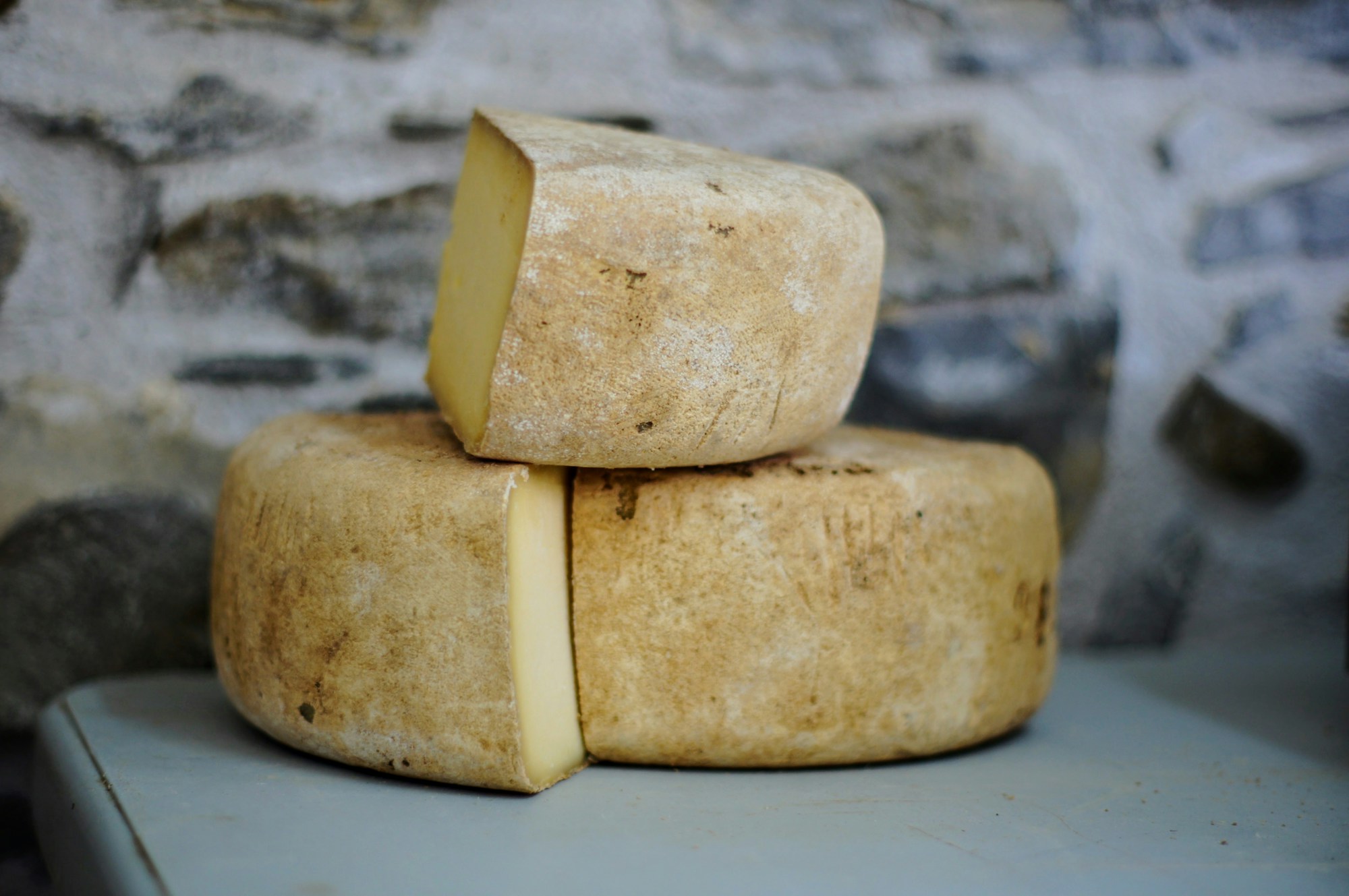
Outside Lisbon, the medieval town of Óbidos, about an hour north of the capital, is closely associated with serving ginja in a small edible dark-chocolate cup. The cups are also available in Lisbon, and they make a charming finish: drink the liqueur, then eat the glass. If your itinerary includes the Silver Coast, it is a lovely detail to pair with a walk along Óbidos’s walls.
Óbidos rewards a longer stay than the cup alone. The hilltop town is encircled by a fortified wall and is a well-preserved example of medieval architecture. It is sometimes called the Town of the Queens, a nickname that traces back to 1210, when King Afonso II gave the town to Queen Urraca. UNESCO named Óbidos a City of Literature in 2015, and the town is known for its bookshops and for a literary festival held each October.
Tasting Notes and Good Manners
Ginjinha pairs naturally with an afternoon walk through Baixa and Chiado, or as a quiet toast before dinner. Many bars prefer cash and keep short hours, so check opening times and payment options with each venue before you go. As with any spirit, enjoy it responsibly.
The Streets Around Rossio
The streets around Rossio belong to the Baixa Pombalina, the district rebuilt under the Marquis of Pombal after the earthquake of 1755, which destroyed an estimated 85 percent of the city’s structures. Its orderly grid is regarded as one of the first examples of earthquake-resistant construction, and it makes for easy, level walking between one counter and the next.
Lisbon enjoys a Mediterranean climate and roughly 2,875 hours of sunshine a year, among the highest totals in Europe. That generous light helps explain why a standing drink at an open doorway feels so natural here. Climb the slope toward Chiado afterward and the city rewards you with tiled facades, small squares and the soft gold of late afternoon.
In a city of grand terraces and tasting menus, ginjinha remains refreshingly modest. One small glass, one friendly question, and a moment of Lisbon that has changed very little in generations.