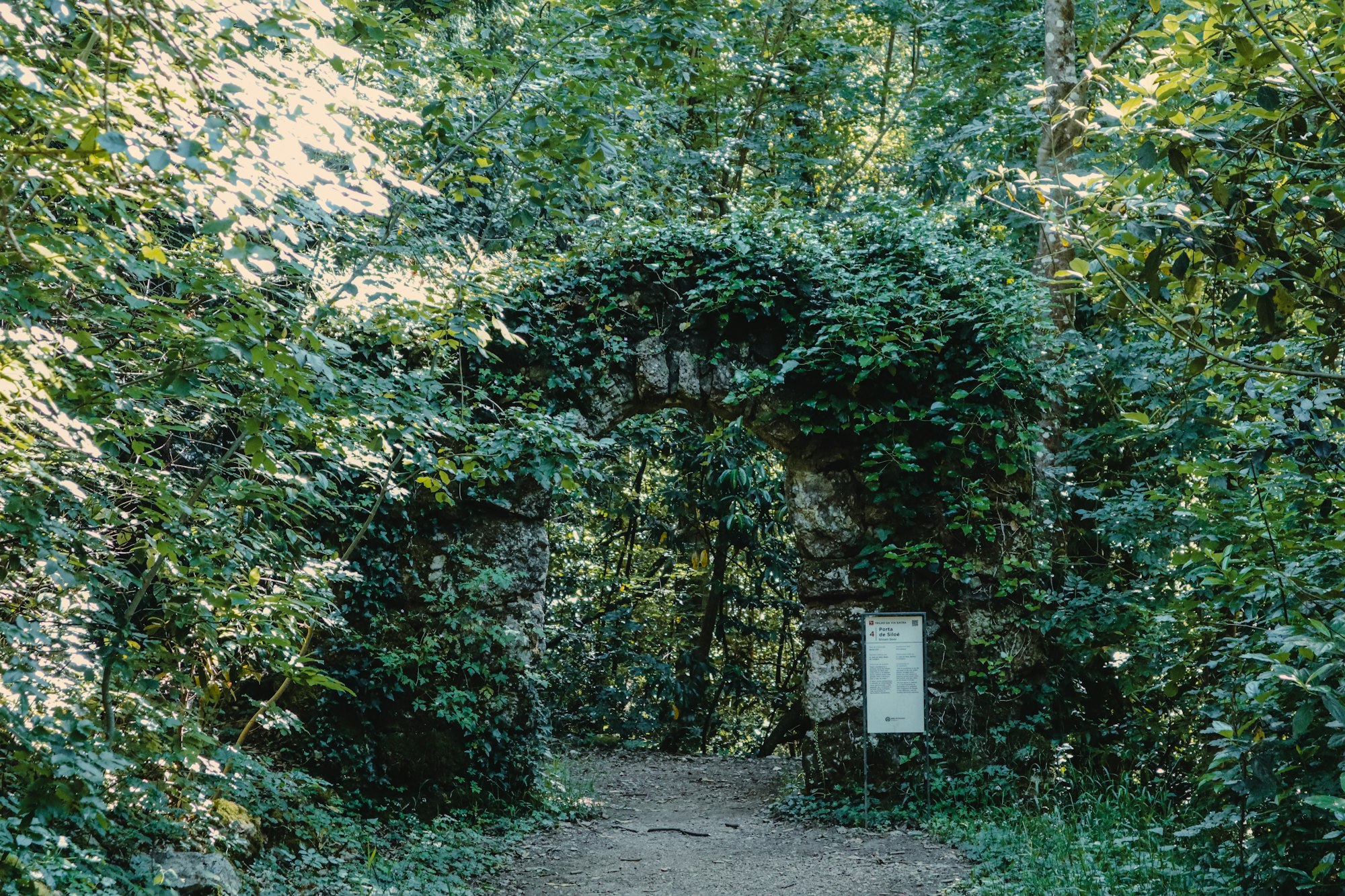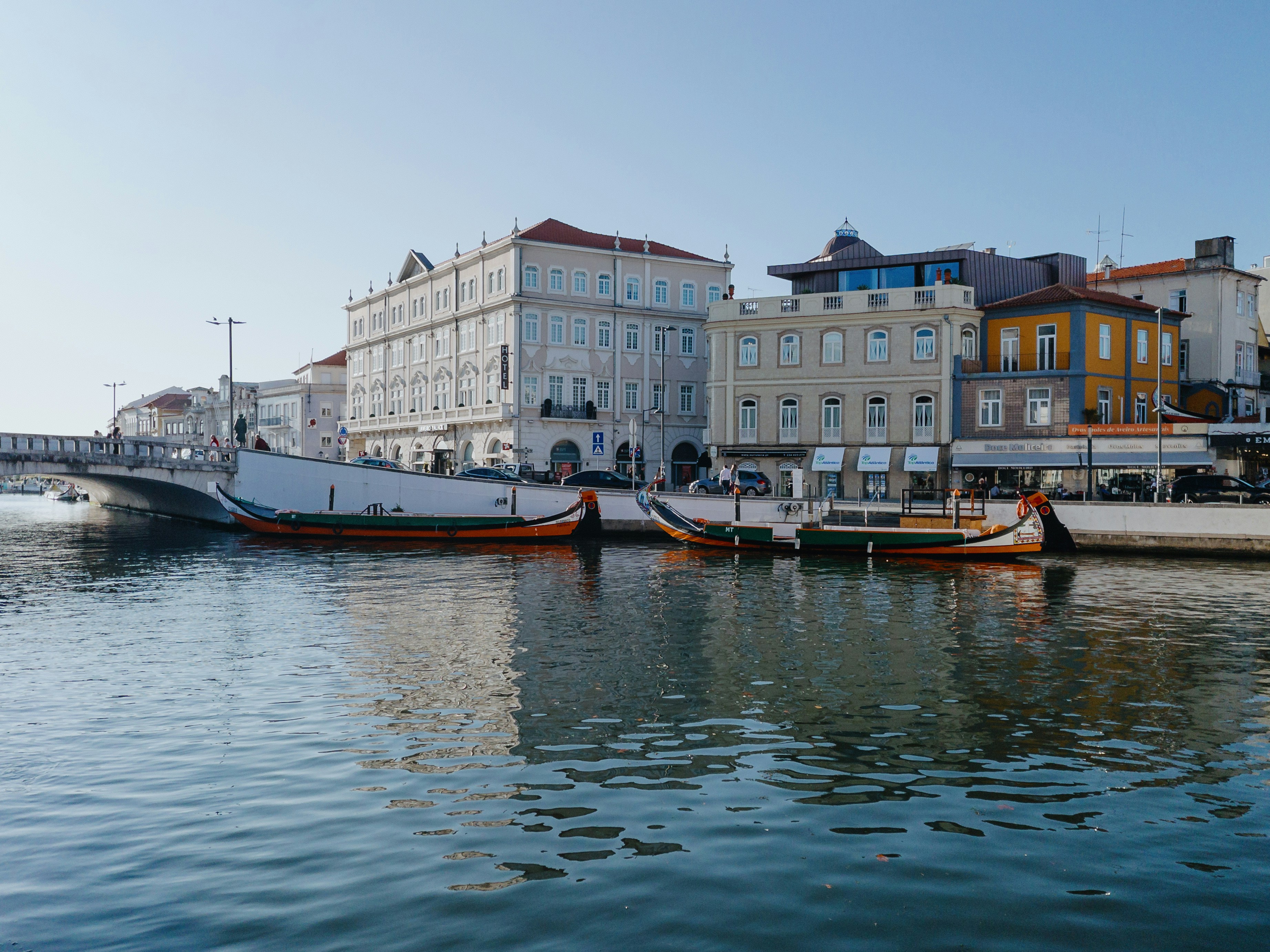
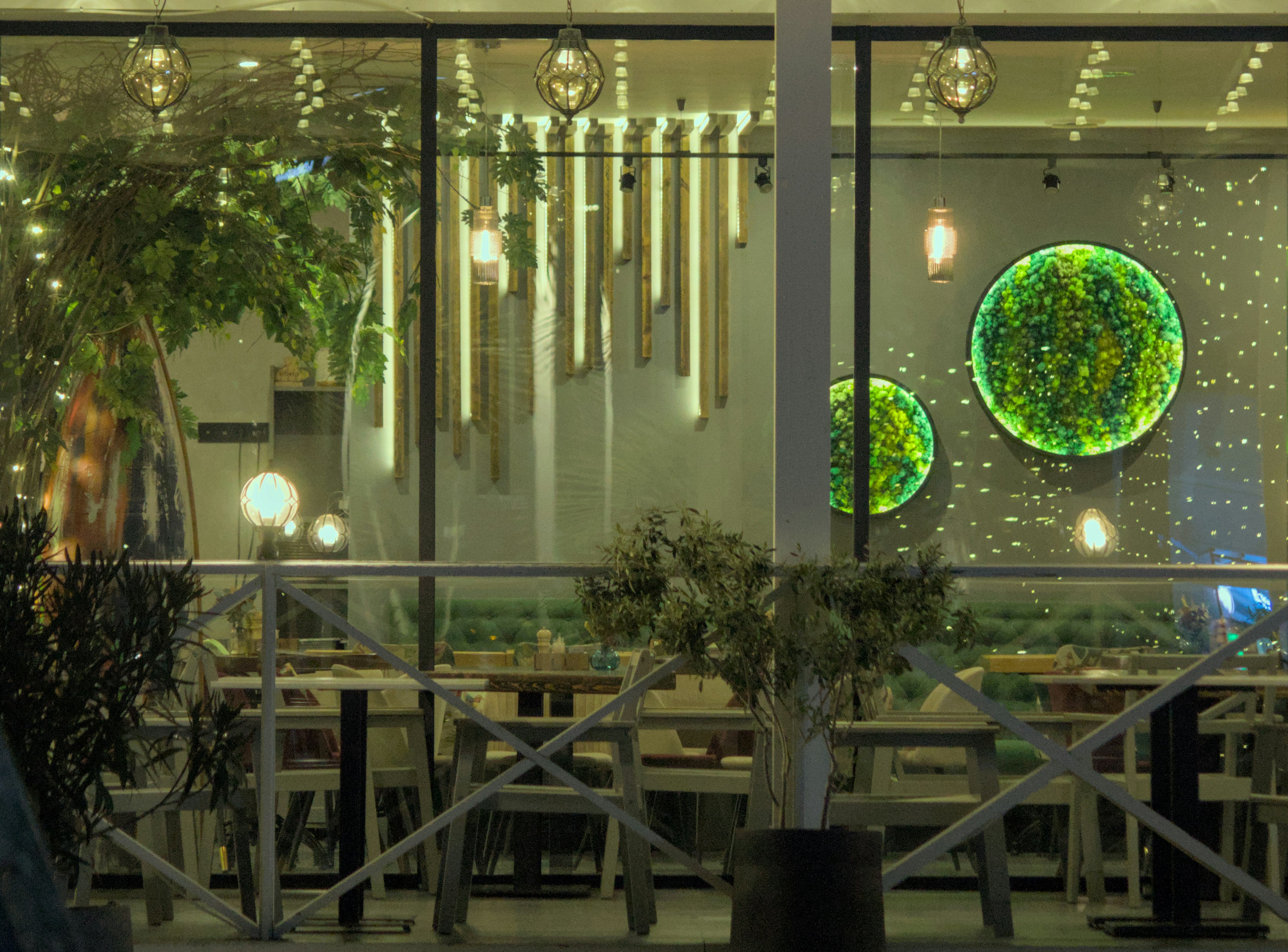
Every great restaurant and hotel has a story, but the most memorable ones are rooted in a place. In Portugal, that sense of origin is easy to find: the slope of a vineyard, a cork oak woodland, a fishing harbor, a tiled facade. For hospitality brands, provenance is more than a background detail. It is a quiet narrative that can shape how guests understand and remember a property long before they arrive. At Feast & Travel Media, we see this as one of the most natural foundations for editorial storytelling rooted in Portugal.
Why Provenance Matters to the Modern Guest
Discerning travelers increasingly look for experiences that feel specific. A room with beautiful linen is expected; a room that tells you where you are is remembered. The same applies to the table. A menu that names a region, a producer or a landscape gives the guest something to hold on to, and a reason to ask questions.
Portugal offers an unusually rich vocabulary for this kind of storytelling. The country has a system of protected designations of origin, and products such as Presunto do Alentejo and Paleta do Alentejo carry that status, tied to a defined area and to traditional methods of rearing, salting and curing. When a restaurant or hotel speaks about such products with care, it borrows nothing it has not earned: it simply points to something real.
Place as a Source of Narrative
The strongest hospitality stories do not invent a mythology. They look carefully at what is already there. An estate among the vines can speak about the seasons of the harvest. A coastal hotel can speak about the light, the tides and the fishing tradition of the town beside it. A townhouse in an old quarter can speak about the craft of the tiles on its walls.
Editorial writing helps here because it takes time to observe. A well-made feature about a property does not list amenities; it describes the sound of a courtyard in the morning, the weight of a ceramic cup, the way a dining room is lit at dusk. Those details create trust, and trust is the currency of luxury hospitality.
The Table as a Chapter of the Story
For restaurants, provenance begins with the plate and extends to the dining room. Naming the region of a wine, acknowledging the season of an ingredient or explaining a regional dish with generosity all contribute to an experience that feels informed rather than staged. Guests tend to remember a meal that taught them something gently.
The language matters. Phrases should be accurate, modest and specific. Instead of grand claims, a thoughtful menu or article describes what is actually served and why it belongs to its place. This restraint is itself a signal of quality, and it is one reason editorial voice and communications discipline work so well together.
Craft and Material in the Guest Room
Hotels can apply the same thinking to their interiors. Portuguese ceramics, cork, linen, tile and stonework carry a strong sense of place, and a property that uses them with intention gives its guests a story to read through touch and sight. When these choices are described honestly, they become part of the brand narrative without any need for exaggeration.
Photography and writing should work together here. An image can show the material, and a paragraph can explain where it comes from and who shaped it. Together they help a prospective guest imagine the stay in sensory terms, which is often what separates a considered booking from a casual one.
Telling the Truth Beautifully
The central discipline of provenance storytelling is accuracy. Every claim about origin, craft or heritage should be something that can be verified with the producer, the artisan or the property itself. That care protects reputation and gives editorial content a long life, because a true story can be told again and again without losing its shine.
It also keeps the tone calm. Luxury is rarely loud, and a narrative grounded in real places and real materials does not need to be. It can be quiet, precise and warm, in the way that Portuguese hospitality often is.
A Portuguese Base for Stories of Place
Working from Portugal gives a media house and communications agency a natural advantage in this kind of work: proximity to the places that hospitality brands describe, and the opportunity to see them in every season. That proximity shapes our approach at Feast & Travel Media, where editorial attention and thoughtful communication sit under one roof.
For hospitality brands thinking about how their origins can become part of their story, we would be glad to begin with a conversation at partnerships@feastandtravelmedia.com.