Few kitchen objects in Portugal are as recognizable as the cataplana. Shaped like a clam, with two hinged halves that close into a tight, glossy dome, this copper pot is the symbol of Algarve cooking and the vessel that gives its name to one of the region’s best-loved dishes. For anyone searching for authentic cataplana de marisco or wondering how to cook with a cataplana, the story begins with the pot itself, and with a coastline that has always cooked with the sea at its door.
What Is a Cataplana?
The word cataplana refers both to the pot and to the stew prepared in it. The pot is shaped like a clam, with a domed lid that latches onto the base to seal in the contents. Traditionally it was made of hammered copper, a material valued for the way it conducts heat. Because the pot closes tightly, it works much like a Dutch oven: food steams in its own juices, which return to the dish instead of evaporating and leave a flavorful liquid at the bottom.
The dish is cooked in many parts of Portugal but is most closely associated with the Algarve, where it is regarded as one of the most traditional preparations. Seafood is the heart of the classic version, although recipes using pork or lamb also exist.
Origins: Moorish Echoes and Fishermen’s Lunches
The exact origin of the cataplana is unknown. Many people believe it dates to the eighth century and the period of Moorish rule in the Algarve, and some describe it as the Portuguese counterpart of the North African tagine, another sealed vessel that cooks food gently in its own steam. The resemblance in spirit is clear, even if the history cannot be pinned down with certainty.
A charming tradition holds that fishermen used the cataplana as a kind of lunchbox. They would pack garlic, onions, olive oil and vegetables at home, add their catch at sea or on the shore, and cook the meal over a fire, sometimes with the pot resting on embers buried in sand. Whether or not every detail of that picture is literal, it captures the spirit of the dish: simple ingredients, fresh fish, and a method that lets the flavors speak for themselves.
The Classic Cataplana de Marisco
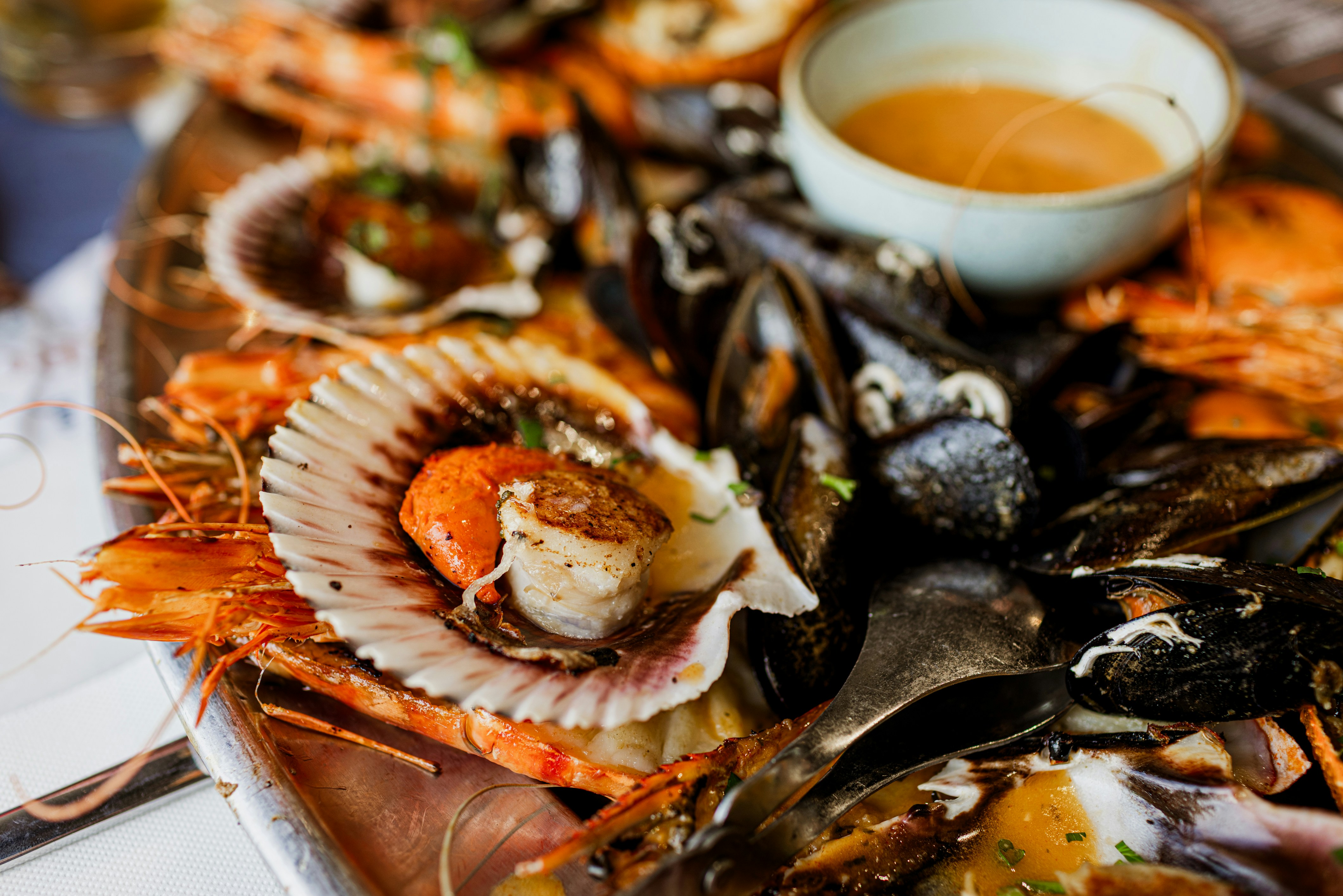
A traditional seafood cataplana begins with a refogado, the base of Portuguese cooking, made by gently sautéing garlic and onion in olive oil. Peppers and tomato are commonly added, followed by the seafood: clams, mussels, prawns, fish, squid or octopus, depending on the cook and the day’s market. A splash of white wine, water or broth is added, the lid is latched, and the pot simmers over medium-low heat until the shellfish open and the aromas fill the kitchen.
Fresh coriander is a familiar finishing herb in the Algarve, and the sauce is generally served with crusty bread, so no drop of the cooking liquid is wasted. Opening the pot at the table is part of the ritual: a cloud of fragrant steam rises, and the table falls quiet for a moment.
Beyond Seafood: Regional Variations
While the seafood version is the most famous, the cataplana invites variation. Popular pairings include mussels with chouriço, squid with cured ham, octopus with sweet potato, and pork with clams, a combination that echoes the Portuguese tradition of bringing land and sea together on one plate. There are also vegetarian versions, which show how adaptable the method is.
Cooks outside Portugal sometimes use a Dutch oven or a heavy pot with a snug lid when they do not own a cataplana. The result is delicious, although the traditional pot brings its own character.
How to Taste Cataplana in the Algarve
Cataplana is typically served for sharing, often for two or more diners, so it suits a long, unhurried lunch. A chilled Portuguese white wine, such as an Alvarinho, is a common and elegant companion. Order it at a restaurant by the sea in places such as Faro, Tavira, Portimão or Lagos, and ask what the kitchen has chosen that day, since the best versions follow the catch.
The Algarve’s tourism board has also supported public cooking demonstrations of the dish through a project called Cataplana Algarvia, a sign of how seriously the region treats this part of its culinary heritage. Menus, seasons and availability vary, so we recommend confirming details with each restaurant before you go.
Why the Cataplana Endures
The cataplana endures because it is more than a recipe. It is a way of cooking that rewards patience, honors good ingredients and brings people to the same table. For visitors, ordering one is among the most direct ways to taste the Algarve: the sea, the olive oil, the herbs and the long tradition of hospitality that surrounds them. Close the lid, wait a few minutes, and let the pot do what it has done for generations.