Portugal has long been a country of healing waters, and few places express that heritage as clearly as Termas de São Pedro do Sul. Set in the valley of the Vouga River in the Viseu district, about 30 kilometers from the city of Viseu, this thermal town has welcomed visitors for more than two thousand years. For travelers researching a thermal spa in Portugal’s Centro region, it offers a rare combination: Roman ruins you can walk among, a royal bathing tradition, and modern spa circuits in a setting of hills and river valleys.
A Spa Town With Roman Roots
The story of São Pedro do Sul begins with the Romans, who built a bathing complex beside the springs in the first century. Its ruins remain in the town today, and the baths were used until the end of the 19th century. The Roman baths have been classified as a National Monument since 1938. The archaeological site preserves pool structures, drainage channels, columns and inscribed tablets, and it can be visited alongside the working spa buildings, a rare chance to see the foundations of a wellness tradition that never entirely stopped.
Walking among those ancient stones, with the sound of the river nearby, gives the visit a sense of continuity that is hard to find elsewhere. The place feels like a conversation between centuries, carried on in warm water.
Kings, Queens and the Royal Baths
The town’s royal associations are woven through its history. According to historical accounts, in 1152 King Afonso Henriques, Portugal’s first king, visited the springs, then known as the Caldas Lafonenses, to recover from an injury suffered in battle. The visit helped establish the reputation of the waters. In 1515, King Manuel I ordered the construction of a Royal Hospital, known as the Hospital of Caldas de Lafões, which replaced the older baths.
In 1884 a new thermal complex took the place of the centuries-old hospital. A decade later, in 1894, Queen Amélia visited, and a royal decree afterward named the bath in her honor. That heritage survives in the town’s two main bathing houses: the classic Rainha Dona Amélia establishment and the more modern Dom Afonso Henriques baths, built in 1987.
The Waters of São Pedro do Sul
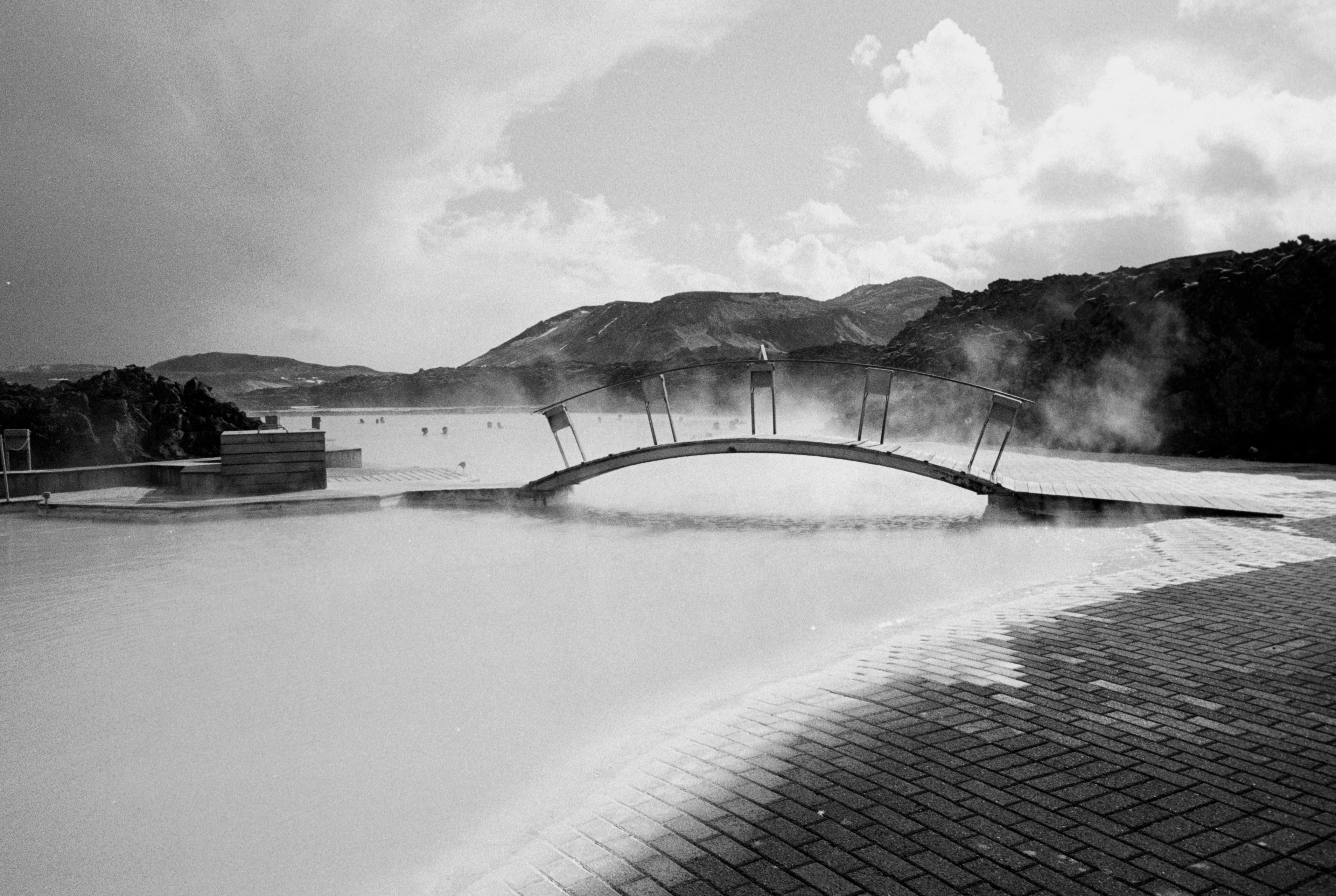
The springs here are hot, alkaline and sulphurous, and the thermal wells reach temperatures of roughly 67 to 69 degrees Celsius, a reminder of how much natural heat the valley holds. The waters contain minerals such as bicarbonates, carbonates, fluorides, sodium sulphates and silicates. The springs are linked to a major geological fault line, a reminder that the heat rises from deep within the earth.
At the Dom Afonso Henriques baths, visitors can experience the Aqva thermal circuit, which includes a thermal pool with underwater jets. Both bathing houses offer a range of spa programs, from classic thermal bathing to more personalized experiences, and the town is also associated with Aqva, a line of thermal water cosmetics. Specific programs and treatments vary, so guests are encouraged to review current offerings directly with the spa.
As with many sulphurous springs, a faint mineral scent is part of the character of the water, and many guests come to regard it as a signature of authenticity. Thermal water of this kind is often experienced slowly: a soak, a rest, a glass of water and a walk in the fresh air. That rhythm, more than any single treatment, is what makes a day at a historic spa feel restorative.
Planning a Thermal Escape in the Centro
The thermal complex is open year-round, and advance booking is recommended, particularly at weekends. Hours can change by season, with a midday break noted at the baths, so it is wise to confirm before traveling. The spa village of Várzea, home to the baths, lies about a kilometer from the center of São Pedro do Sul.
A visit combines well with exploring the wider Centro region, including the city of Viseu, about 30 kilometers to the east, and the hills and river valleys that surround it. The slow pace of the valley is part of the experience: long baths, quiet walks and unhurried meals. Travelers who like to combine wellness with culture can easily pair a morning among the Roman ruins with an afternoon soak, then finish the day with dinner in a nearby village, leaving the evening free for nothing at all.
Why Portugal’s Thermal Towns Still Matter
Portugal’s spa towns reflect a belief that rest is a cultural practice as much as a personal one. At São Pedro do Sul, that belief is visible in stone, from the Roman pools to the royal bathhouses. For international travelers seeking wellness with a sense of place, the town offers a calm and deeply rooted alternative to the generic resort spa.
A note on wellness: this article is intended for general interest and inspiration only and is not medical advice. Anyone with a health condition, or who is pregnant, should consult a qualified professional before using thermal waters or spa treatments. Please also confirm opening hours, programs and prices with the spa before you travel.